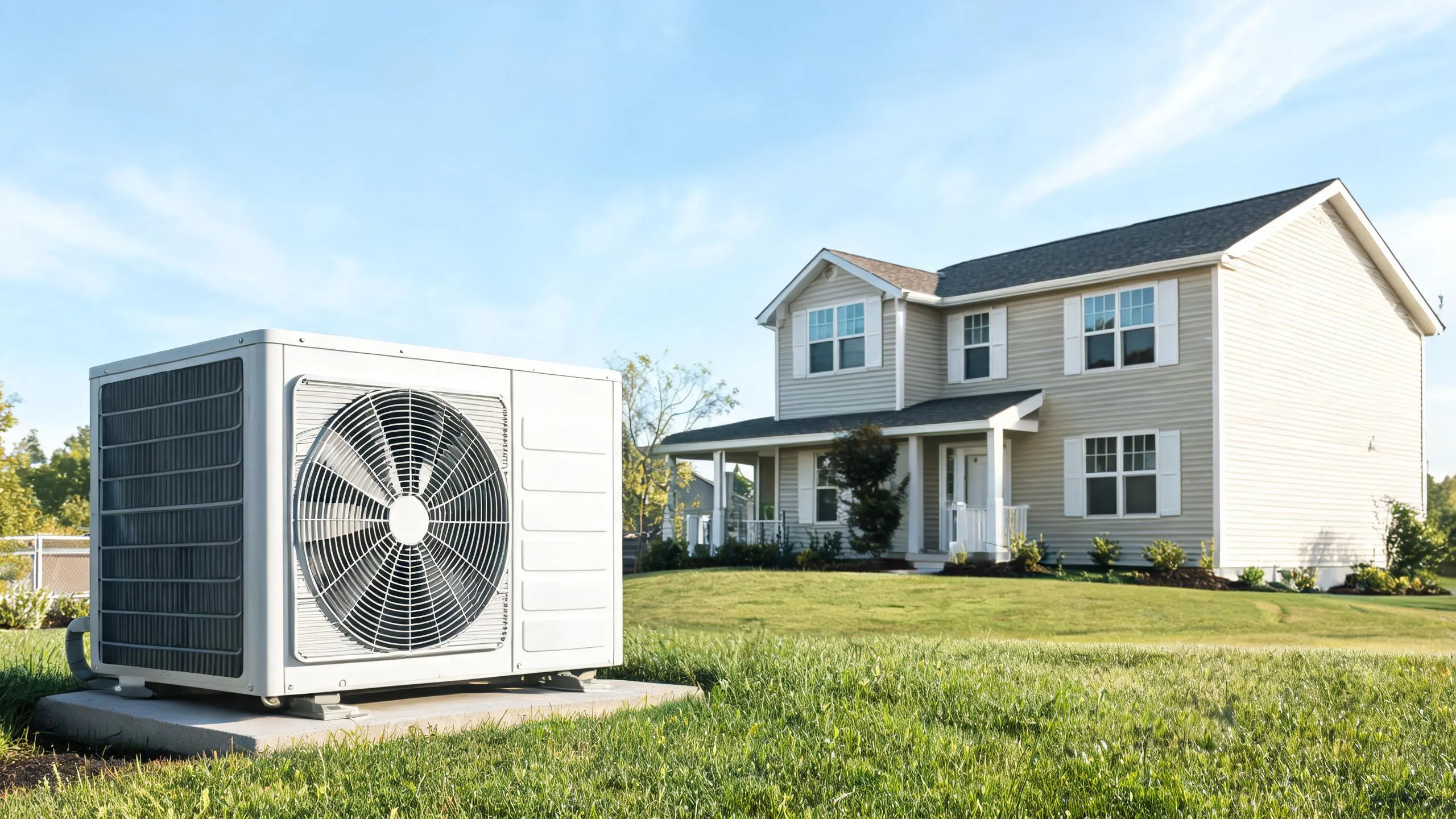
Heat pump vs Furnace in Carver County, Minnesota
When a heat pump makes sense
A heat pump makes sense if you want cooling built into the same system and don't mind running on electricity through the winter. Standard models lose heating power once temperatures drop toward zero, and Carver County winter nights average 9°F from December through February, so a cold-climate model built for that cold is the one to look at. Even with the right model, expect to pay more to heat the house than you would with gas at Minnesota prices.
When a furnace makes sense
A furnace is the right call for most homes here. It holds its full heat output no matter how cold the night gets, which matters when nights average 9°F from December through February. It also costs at least 35% less to run than a heat pump at Minnesota gas and electric prices, and most homes in Carver County already heat this way.
Heat pump
- Runs on
- Electricity
- What it does
- Heats and cools
- Tax credit
- No federal tax credit since the end of 2025
Sources: U.S. Department of Energy · Internal Revenue Code

Furnace
- Runs on
- Natural gas
- What it does
- Heats only
- Tax credit
- No federal tax credit since the end of 2025
Sources: U.S. Department of Energy · Internal Revenue Code
Furnace wins in Carver County.
Nights here average 9°F all winter, and gas heat costs at least 35% less than a heat pump at Minnesota prices.
If your home has no gas line to it, a cold-climate heat pump will still heat it through a 9°F night and cool it come summer.
Find a contractor| Compared on | Heat pump | Furnace |
|---|---|---|
| Cost to run here | Costs more to run | At least 35% less to run |
| What it does | Heats and cools | Heats only |
| Homes in the Plains states that heat with one | 5.4% | 77.6% |
| Handles a 9°F night | Standard models lose heating power in the cold; cold-climate models are built for it | Yes |
Sources: U.S. Energy Information Administration, U.S. Department of Energy, NOAA
When a heat pump makes sense
A heat pump makes sense if you want cooling built into the same system and don't mind running on electricity through the winter. Standard models lose heating power once temperatures drop toward zero, and Carver County winter nights average 9°F from December through February, so a cold-climate model built for that cold is the one to look at. Even with the right model, expect to pay more to heat the house than you would with gas at Minnesota prices.
When a furnace makes sense
A furnace is the right call for most homes here. It holds its full heat output no matter how cold the night gets, which matters when nights average 9°F from December through February. It also costs at least 35% less to run than a heat pump at Minnesota gas and electric prices, and most homes in Carver County already heat this way.
A Carver County contractor will price both against your own house, your ductwork and your panel.
Tell us about the job
It takes about a minute.