
Furnace Installation in Alexandria, MN
A new furnace here will run from September through May every year. Tell us about the house, and a licensed contractor who covers Douglas County will get in touch.
Tell us about the job
It takes about a minute.
Nine months of heat a year in Alexandria
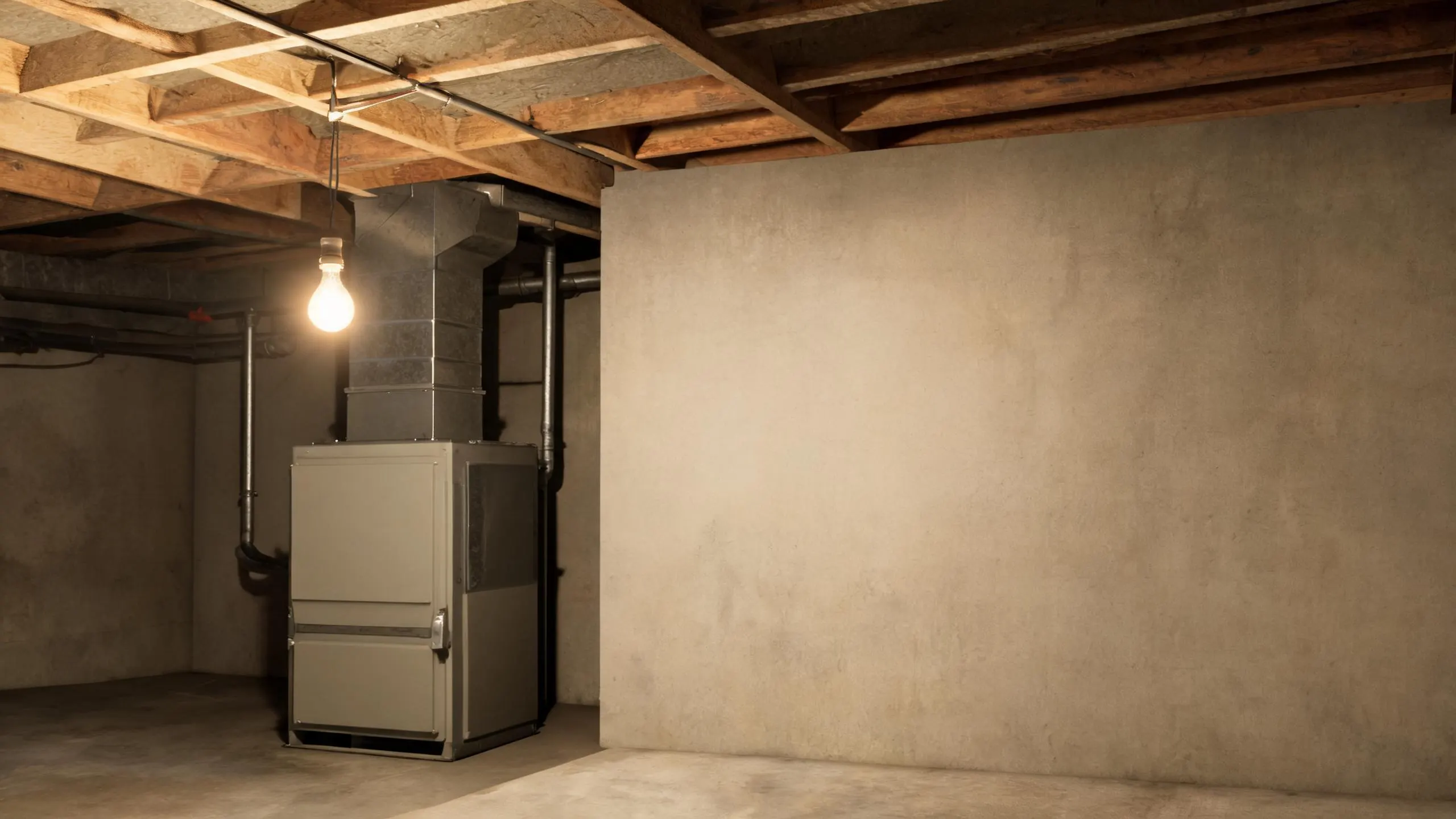
Winter nights here average 5°F from December through February, and homes need the furnace running from September through May. That is nine months a year the burner has to work every time it gets cold. A furnace sized and installed right for this climate matters more here than somewhere that only sees a few cold months.
Any new non-weatherized gas furnace has to reach at least 80 percent AFUE by federal rule. Storms here can knock out power, and across Minnesota 13 percent of households went at least 24 hours without it in 2024. When the power comes back on, the furnace should start up on its own without anyone resetting it.
- 9 months
- September through May, your furnace is on duty
- 5°F
- the average winter night it heats against
- 80% AFUE
- the federal minimum any new unit must meet
NOAA nClimDiv, 1991–2020 normals

A high-efficiency gas furnace would save about $120 a year to run in Douglas County compared with a gas furnace.
Estimates for a typical Douglas County home, from EIA household energy data, Minnesota fuel prices and NOAA climate normals. Your home will differ.
Minnesota has no state license for HVAC contractors.
There is no state board behind this job. Minnesota does not test HVAC contractors, and it does not keep a list of them. Anyone can put a contractor's name on a truck and take the work.
What stands in for that here is the permit. In most cities and counties, a furnace replacement needs a permit from the local building office, and the finished work gets inspected before it is signed off. That inspection is what checks the gas connection and the vent, the two things that matter most on a furnace install. In Douglas County, close to 4 in 10 homes heat with gas, so that check is not a formality here.
Source: Minnesota Office of the Revisor of Statutes
- What size furnace does my house need?
- There is no answer to that without looking at your house. Square footage matters, but so does how much insulation you have, how many windows, your ceiling height, and how the place is laid out. A furnace that is too big cycles on and off too fast and never runs long enough to heat evenly. One that is too small runs constantly and still cannot keep up on a night at 5 degrees. A contractor works this out with a load calculation, which looks at the whole house, not just its size on paper.
- How do I know it's time to replace my furnace?
- Watch for uneven heat, rooms that will not warm up, or a furnace that runs longer than it used to. Rising gas bills with no other explanation point the same way. An older furnace works harder to do what it once did easily, and repairs start costing more as parts wear out together instead of one at a time. If yours needs heat nine months of the year, the way most homes here do, a furnace on its way out shows itself fast.
- Is a high-efficiency furnace worth it?
- It depends on how many months you are running it and what you are paying for gas now. With heat needed from September through May here, a furnace spends most of the year working, so efficiency has more months to matter. Every non-weatherized gas furnace built since November 2015 has to hit at least 80 percent AFUE by law, so the real question is whether to go higher than that minimum. A contractor can run the numbers for your house and your furnace usage to see what higher efficiency would actually change.