
HVAC Installation in Bemidji, MN
A new system here will heat from September through May and cool from July through July every year. Tell us about the house, and a licensed contractor who covers Beltrami County will get in touch.
Tell us about the job
It takes about a minute.
Nine months of heat, one month of cooling, and winters that hit 0
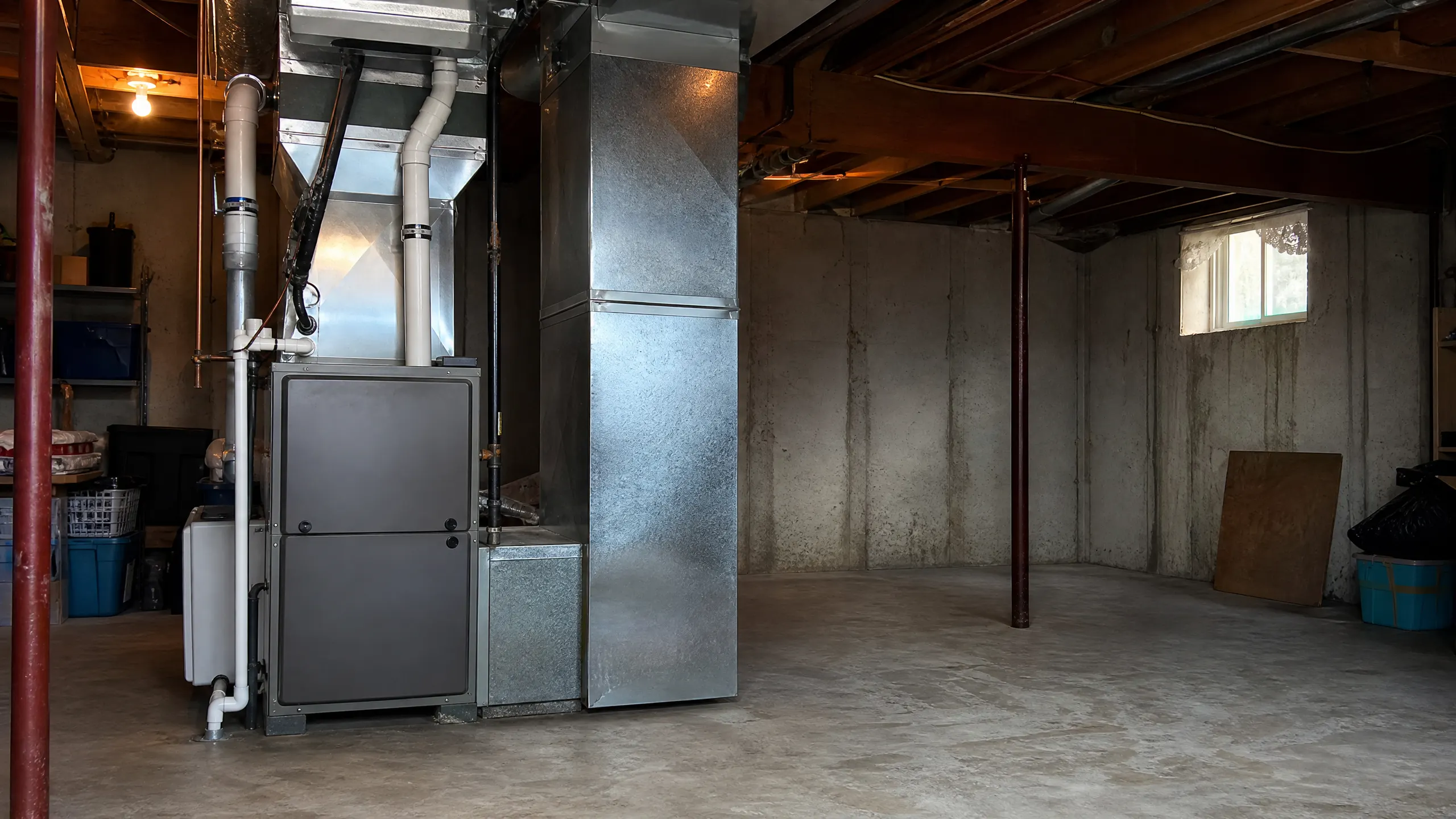
Beltrami County asks a lot of a furnace. Winter nights average 0°F from December through February, and homes here need heat from September through May, nine months of the year. That is most of the year spent leaning on one system. When it fails on a night that cold, there is no waiting it out.
Summer is short but real, with afternoons averaging 76°F in July. A new system has to handle both ends of that range, not just the one that runs longer. Any furnace or air conditioner installed today has to meet the federal minimum efficiency standard, so the equipment itself is not the question. Sizing it right for nine months of cold and one month of heat is.
- 9 months
- September through May, your system heats
- 1 months
- July through July, it cools
- 0°F
- the average winter night it heats against
- 76°F
- the average summer afternoon it cools against
NOAA nClimDiv, 1991–2020 normals
Minnesota has no state license for HVAC contractors.
There is no state license or registration behind that contractor's name, so there is no state record to check and no exam they had to pass to get this job. Minnesota leaves HVAC work outside that kind of oversight entirely. That is true whether you are hiring for a repair or, as here, a full installation.
For a job like this, the protection comes from the permit process instead. In most cities and counties in Minnesota, installing a new furnace or air conditioner needs a permit from the local building office, and the work gets inspected once it is done. That permit and inspection are the record this state does not otherwise keep, and whether they happen depends on the city or county where the work is done.
Source: Minnesota Office of the Revisor of Statutes
- When should I replace my HVAC system?
- Replace it when repairs start costing more than the system is worth or it can no longer keep the house at temperature. A furnace that needs a major part like a heat exchanger or blower motor is usually at that point. Age matters too, since a furnace working nine months a year here wears faster than one that runs only a few months in a milder climate. A contractor can look at the specific unit and tell you honestly whether it is worth fixing or replacing.
- Should I replace my furnace and air conditioner at the same time?
- If they are close in age, replacing both together often makes sense, since equipment installed at the same time tends to wear out around the same time. A furnace failing on a night near 0 degrees is not something you want to gamble on. That said, homes here need heat nine months a year and cooling for just one, so the furnace carries most of the load and usually shows wear first. A contractor can check the air conditioner's condition and tell you whether it has years left or should be replaced now too.
- What happens during an HVAC installation?
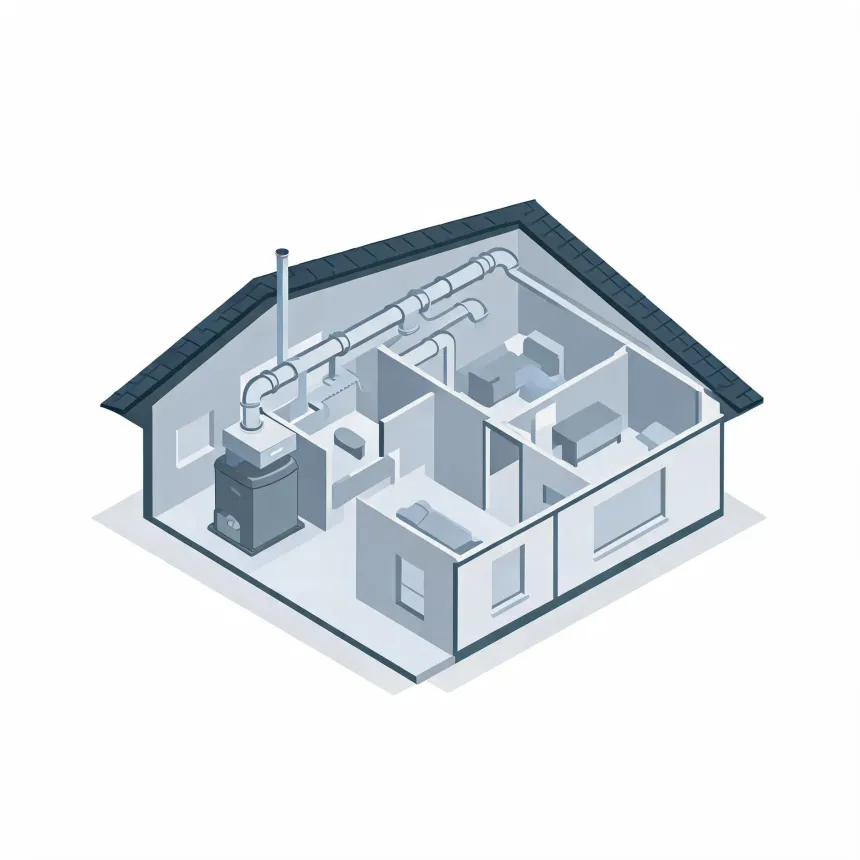
- A contractor removes the old equipment, sets the new furnace, air conditioner or heat pump in place, and connects it to the ductwork, gas line or refrigerant lines, and electrical. Once it is connected, they test it, check airflow and pressures, and make sure it cycles properly before calling the job done. In most places, including here, replacing this kind of system needs a permit from the local building office and an inspection afterward. That inspection confirms the work meets code, so do not skip it even if the contractor does not bring it up first.