
HVAC Installation in Faribault, MN
A new system here will heat from September through May and cool from June through August every year. Tell us about the house, and a licensed contractor who covers Rice County will get in touch.
Tell us about the job
It takes about a minute.
A system that works nine months of heat and three months of cooling
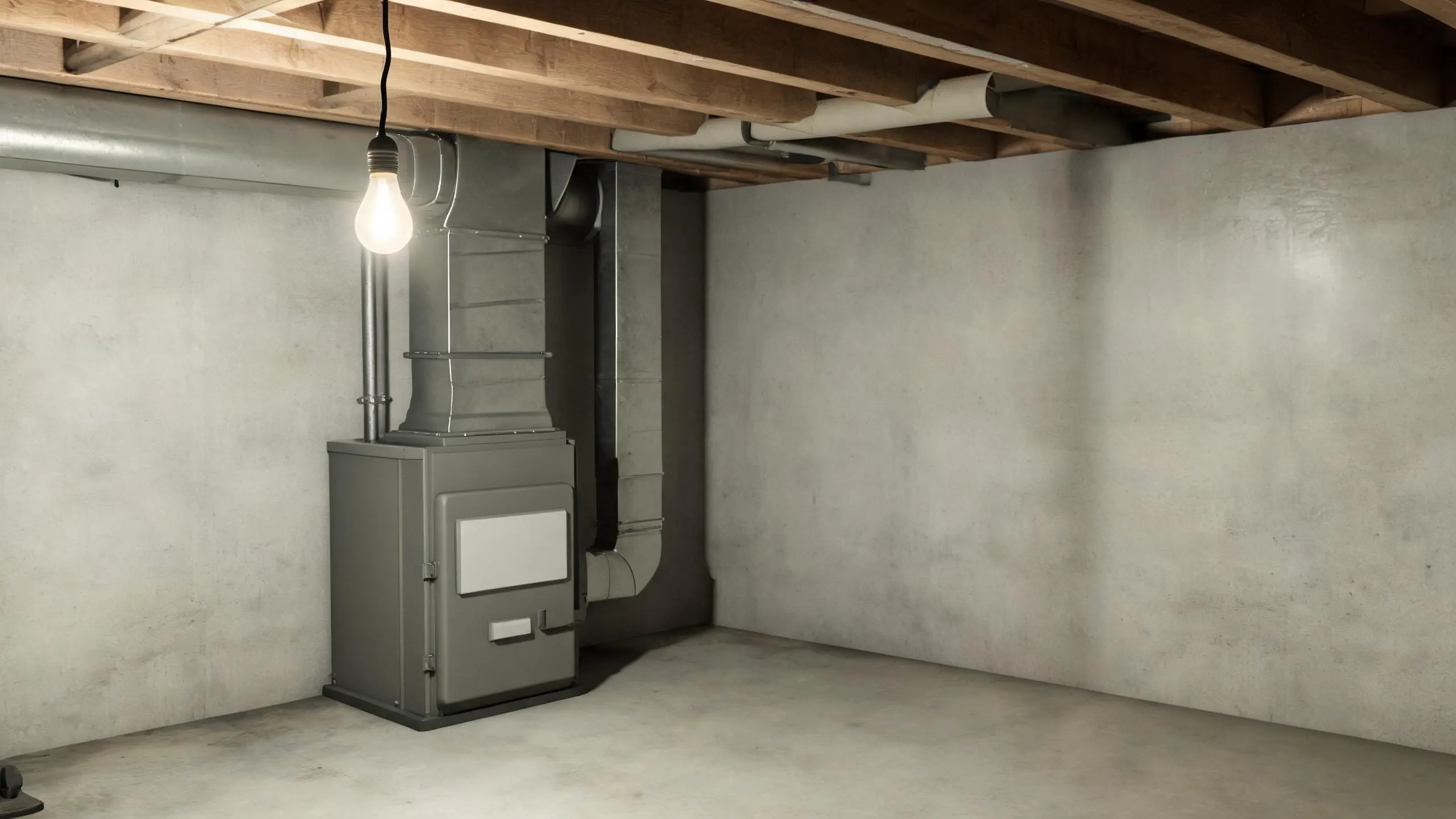
Faribault asks a lot of a furnace. Winter nights average 10°F from December through February, and homes here need heat from September clear through May. That is nine months of the year the burner is doing real work, not just taking the edge off a cold morning. The furnace you install needs to be sized for those nights, not for the mild ones.
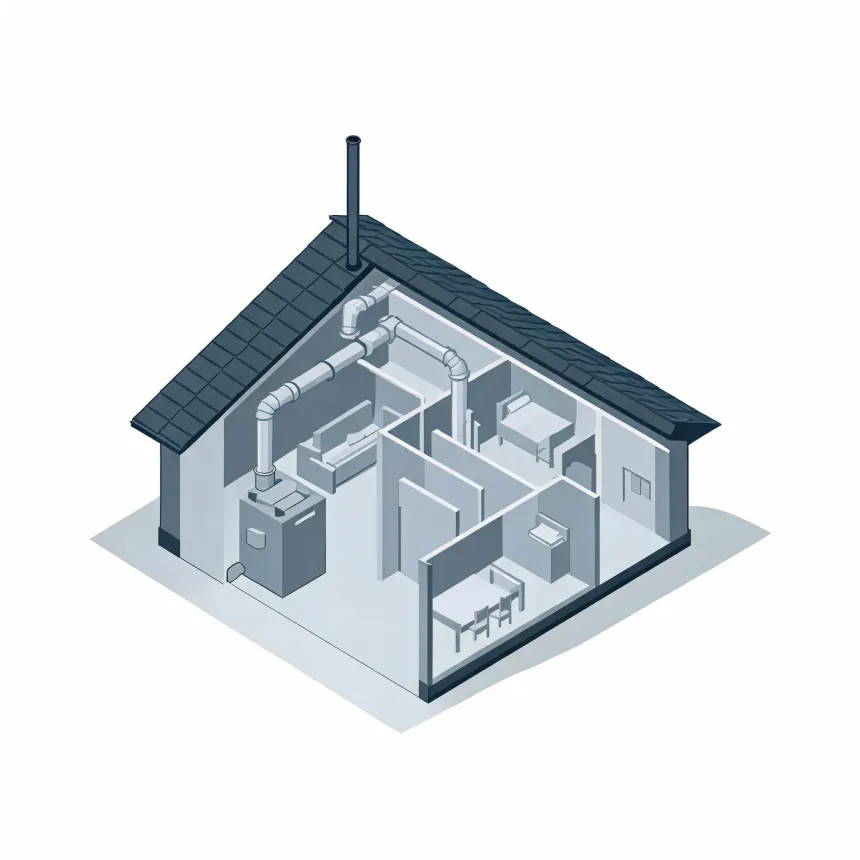
Summer is shorter but it still counts. Afternoons average 80°F from June through August, so the air conditioner has its own three months of steady runtime. Between the two, something in this house is heating or cooling almost every month of the year. Rice County has also seen 34 winter storms and 36 damaging wind events over the past ten years, and statewide, 13% of households lost power for at least 24 hours in 2024. If your setup includes a gas furnace with a standing pilot, it will relight on its own when the power comes back. If it uses an electronic igniter, it needs the power restored first.
- 9 months
- September through May, your system heats
- 3 months
- June through August, it cools
- 10°F
- the average winter night it heats against
- 80°F
- the average summer afternoon it cools against
NOAA nClimDiv, 1991–2020 normals
Minnesota has no state license for HVAC contractors.
Minnesota does not put HVAC contractors through a state licensing exam, and it does not keep a state registration list for them either. There is no state record to check on the person doing this work. That is the plain fact of it here.
For a job like installing a furnace, air conditioner or heat pump, the protection in Rice County comes from the local building office rather than the state. Most cities and counties require a permit for this kind of installation, and an inspection once the work is finished. That inspection is what stands between you and a bad connection or a bad hookup, since someone from the local office looks at the finished job before it is called done.
Source: Minnesota Office of the Revisor of Statutes
- When should I replace my HVAC system?
- Once your furnace or air conditioner is breaking down more than once a season, or a contractor tells you the heat exchanger or coil has failed, it is time to replace rather than repair. Age matters too. An old furnace or air conditioner works harder to do the same job, and that shows up in more frequent repairs. Here your furnace runs from September through May, and a failure in the cold months means a house losing heat fast with winter lows averaging 10°F. If your system is old and you are already calling for repairs each winter, get it looked at before that becomes an emergency.
- Should I replace my furnace and air conditioner at the same time?
- If both are old, replacing them together is usually the better move, even though it costs more up front. A furnace and air conditioner installed together are matched to work as one system, and a contractor can open the ductwork and wiring once to handle both instead of coming back later for the second unit. If your furnace is failing but your air conditioner is only a few years old, it is reasonable to replace just the furnace. A contractor can look at the age and condition of both and tell you whether pairing them makes sense for your house.
- What happens during an HVAC installation?
- A contractor first removes the old furnace, air conditioner or both, along with parts that will not carry over, like the old thermostat or line set. The new equipment goes in, gets connected to the ductwork, gas line or refrigerant lines, and the electrical circuit, then the contractor runs it through a full cycle to check the airflow, the refrigerant charge, and the gas pressure or heat strip amperage. In most cities and counties here, this work needs a permit from the local building office and an inspection once it is done, so ask whether your contractor is pulling that permit. A contractor can tell you how long the job will take for your house.