
HVAC Installation in Otsego, MN
A new system here will heat from September through May and cool from June through August every year. Tell us about the house, and a licensed contractor who covers Wright County will get in touch.
Tell us about the job
It takes about a minute.
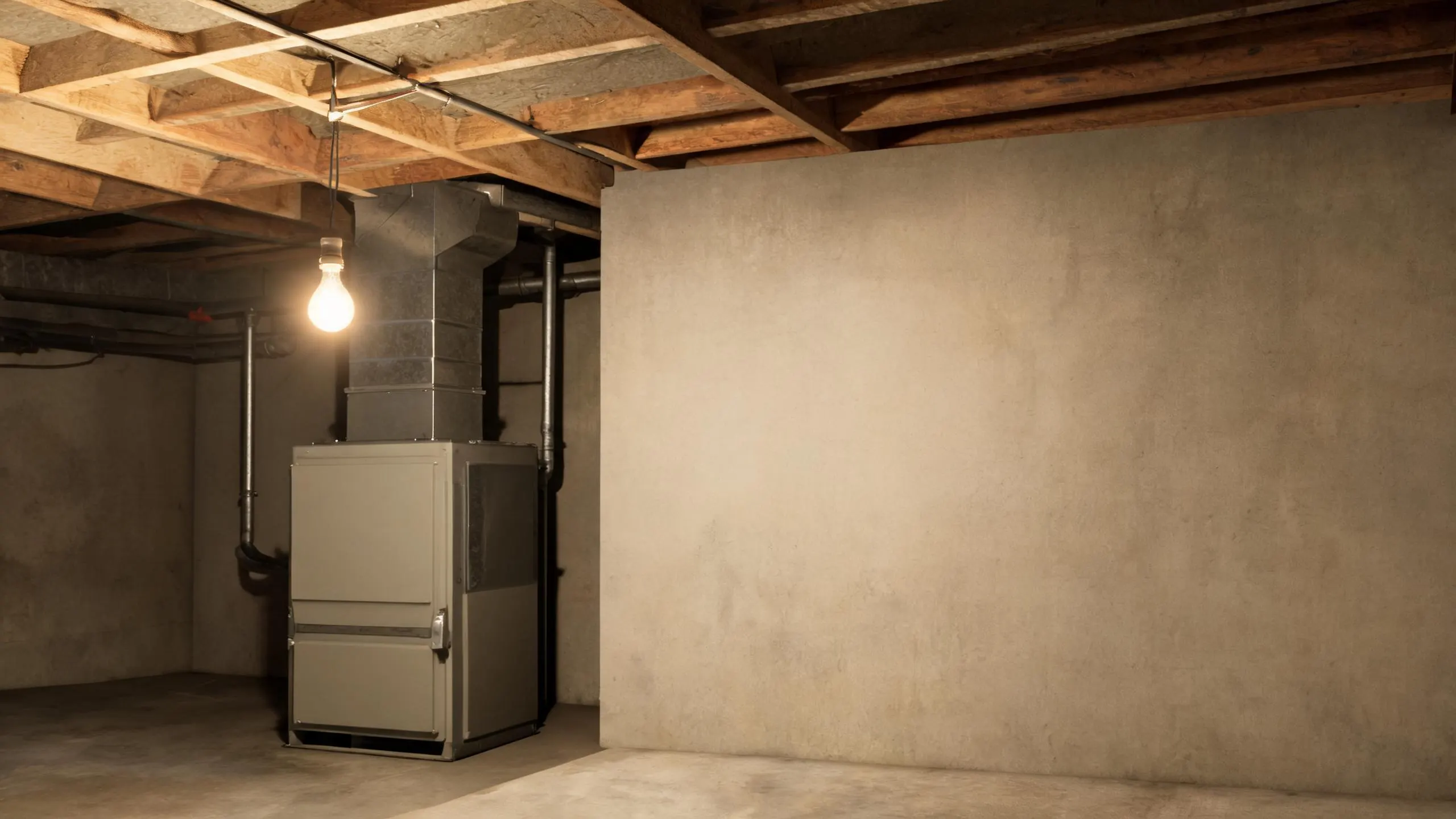
Nine months of heat, three of cooling, in a place that loses power
Winter nights in Otsego average 8°F from December through February, and homes here need heat running from September through May, nine months a year. Summer is shorter and milder by comparison, with afternoons averaging 80°F over June through August. A new system has to be sized for both ends of that range, not just the cold or just the heat.
Most homes here heat with gas, and any new furnace has to meet the current federal minimum efficiency. Wright County has seen 26 winter storms and 65 damaging wind events over the last ten years, and statewide, 13% of Minnesota households went at least 24 hours without power in 2024. That is worth knowing before you pick a system, not after.
- 9 months
- September through May, your system heats
- 3 months
- June through August, it cools
- 8°F
- the average winter night it heats against
- 80°F
- the average summer afternoon it cools against
NOAA nClimDiv, 1991–2020 normals
Minnesota has no state license for HVAC contractors.
Minnesota does not test HVAC contractors or keep a state record of them, so there is no license number to check and no state board behind this job. That is true for every HVAC contractor in the state, not just the one working on your system.
What stands in for that here is the permit process, in most cities and counties. Installing a furnace and an air conditioner in Wright County is likely to call for a permit from the local building office, with an inspection once the work is done. That inspection is what confirms the gas connections, the wiring and the ductwork were put in correctly, since Minnesota itself is not the one checking.
Source: Minnesota Office of the Revisor of Statutes
- When should I replace my HVAC system?
- Replace it when repairs get frequent, the equipment is old, or it can't keep up on the coldest or hottest days. A furnace working hard through nine months of heating here wears faster than one in a milder climate, so age matters more than a number on a calendar. If a contractor is out at your place more than once a season, or a winter night at 8°F leaves rooms cold, that system is telling you it's done. Waiting for a full breakdown in the middle of winter means going without heat until it's fixed, so it's worth replacing before that point, not after.
- Should I replace my furnace and air conditioner at the same time?
- If both are old, replacing them together is often the more practical choice, but it's not required. A furnace and air conditioner installed at different times can still work fine side by side. The main reason to do both at once is that a new furnace paired with an old air conditioner, or the other way around, can mean mismatched parts down the line, since the coil and the furnace's blower need to work together. A contractor can look at the age and condition of each and tell you whether pairing them now makes sense for your house.
- What happens during an HVAC installation?
- A contractor removes the old equipment, sets the new furnace, air conditioner, or heat pump in place, and connects it to your ducts, gas line or electrical circuit, and condensate drain. They'll check the ductwork for leaks or sizing issues, since a new system connected to bad ducts won't perform the way it should. Once it's running, they test it, set the thermostat, and walk you through anything you need to know about it. In most cities and counties, this kind of work needs a permit from the local building office and an inspection when it's done.