
HVAC Repair in Grand Rapids, MN
Homes here need heat from September through May and cooling from July through July. If your system quits, tell us what it's doing and a licensed contractor who covers Itasca County will get in touch.
Tell us about the job
It takes about a minute.
Nine months of heat, a handful of days of cooling
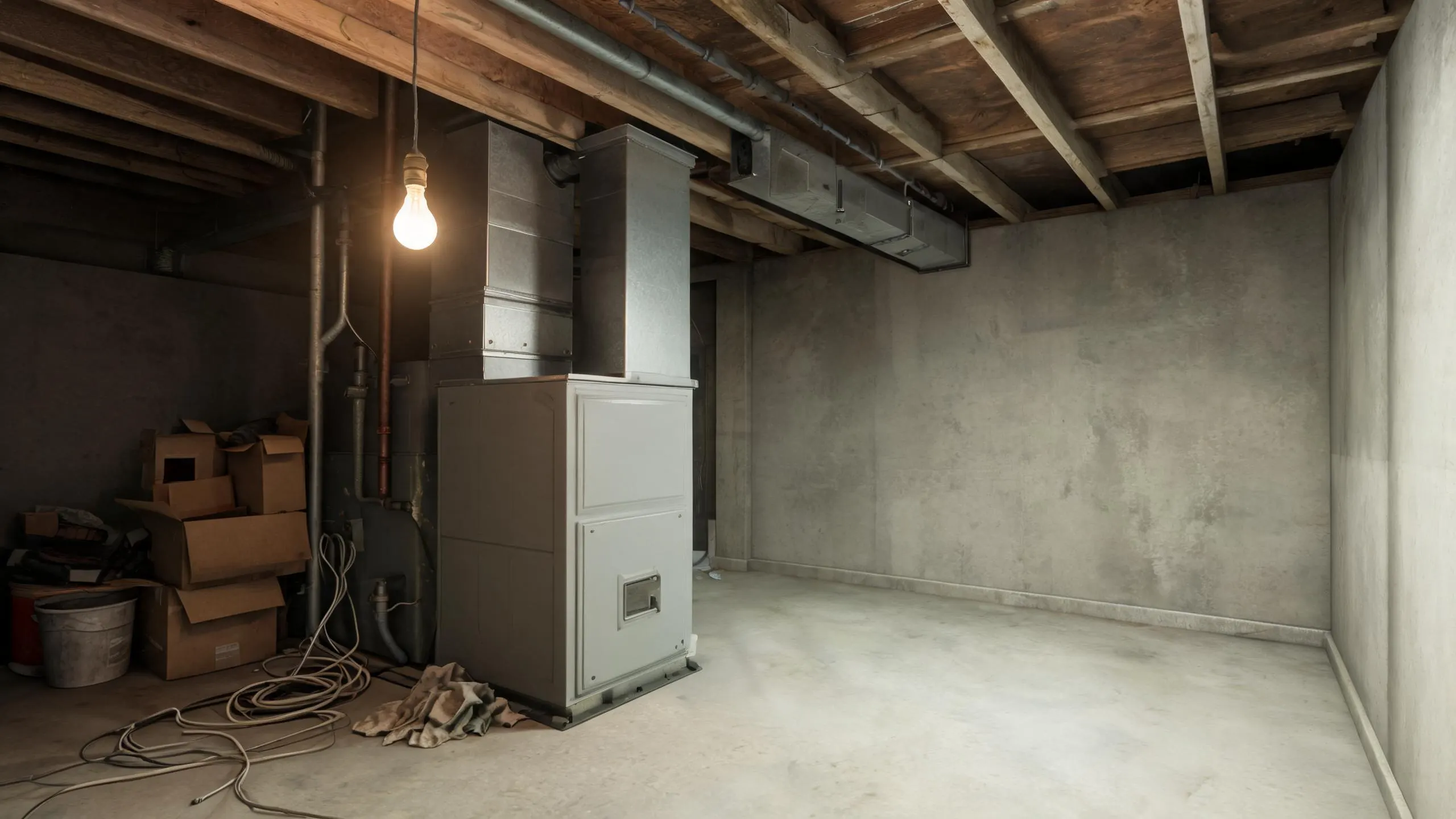
Your furnace is the machine that matters most in Itasca County. It runs from September through May, and on winter nights that average 1°F it cycles on and off all night to hold the house. Every start puts a load on the igniter, and a burner that won't light on a night that cold leaves the house losing heat fast.
Summer asks almost nothing of the system by comparison. Afternoons average 76°F, and most homes only need real cooling in July. A system built to survive a Minnesota winter can sit idle most of the year and still need to start up clean when that one warm month arrives.
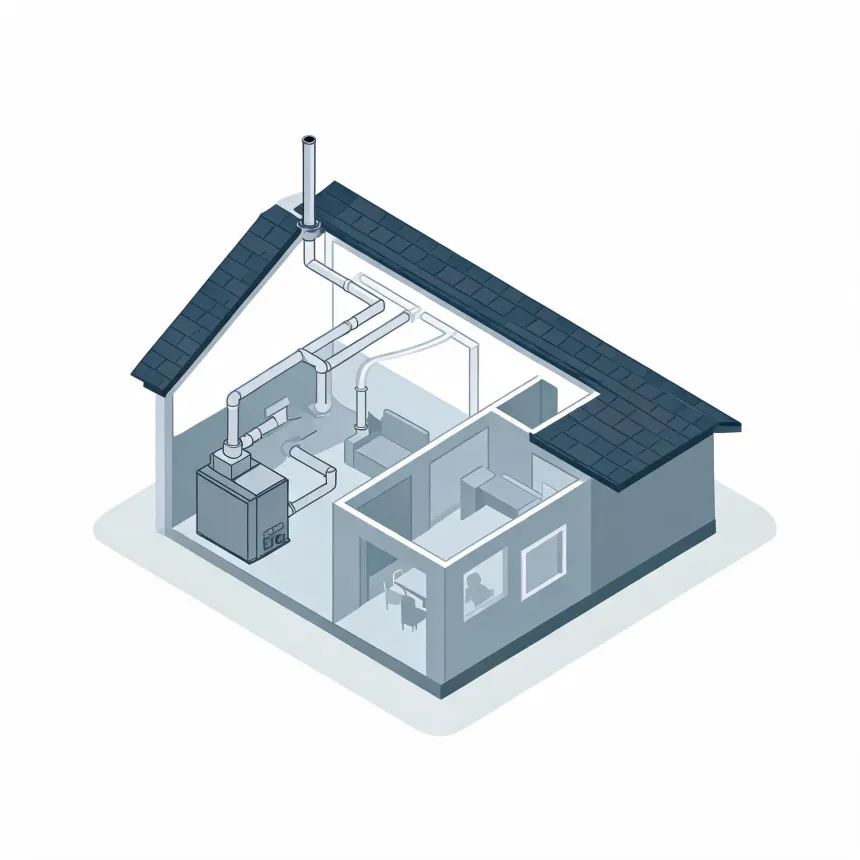
The storms here add another layer. Itasca County has seen 59 winter storms and 108 damaging wind events over the past ten years, and statewide, 13% of households lost power for at least 24 hours in 2024. When the power drops on a night that cold, the furnace stops with it, and the house starts cooling down until the power, or a backup plan, brings it back.
- 9 months
- September through May, your system heats
- 1 months
- July through July, it cools
- 1°F
- the average winter night it heats against
- 76°F
- the average summer afternoon it cools against
NOAA nClimDiv, 1991–2020 normals
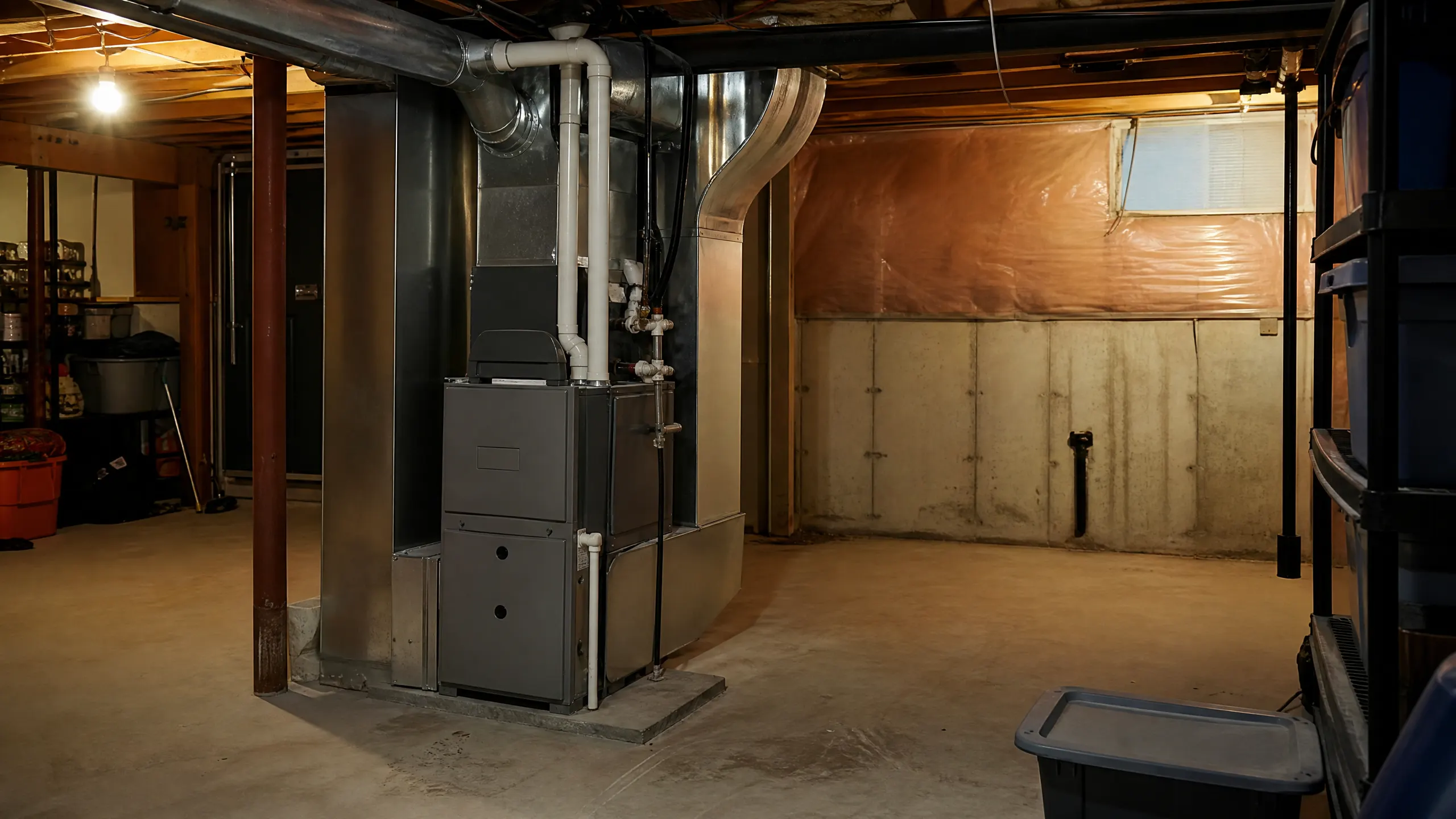
A new furnace and air conditioner would cut about $160 a year off heating and cooling for a typical Itasca County home.
Estimates for a typical Itasca County home, compared with an older unit built to the previous federal minimum, from EIA household energy data, Minnesota fuel prices and NOAA climate normals. Your home will differ.
Repair makes sense when one part has failed.
Replacement makes sense when the furnace's heat exchanger is cracked, the air conditioner's compressor has failed, or repairs keep coming.
Minnesota has no state license for HVAC contractors.
There is no state list to check and no state exam behind the name on the truck. Minnesota does not license HVAC contractors, and it does not register them either, so nothing about who can legally take this job depends on a credential the state issued. That is true here in Itasca County the same as anywhere else in the state.
For a heating and cooling repair, that means the state itself has no part in deciding who is qualified to do the work. Nothing here comes from a state office, and there is no license behind it to check.
Source: Minnesota Office of the Revisor of Statutes
- Why is my heat not working?
- Start with the thermostat. Make sure it is set to heat and set a few degrees above room temperature, and check that it has power if it runs on batteries. If the thermostat looks right, check your breaker panel for a tripped breaker, since a furnace that lost power will not run at all. Gas furnaces also have a flame sensor that dirties over time and will shut the burners off as a safety measure. At 1°F on a winter night here, a furnace that will not start needs a contractor out quickly, since there is little room to wait it out.
- Why is my system running but not cooling the house?
- Check the air filter first. A filter clogged with dust blocks airflow across the coil, and the coil can ice over when that happens, which makes the air conditioner run without actually cooling. Next check the outdoor unit and clear away any leaves, grass clippings or debris sitting against it, since it needs open airflow to move heat outside. If the filter is clean and the outdoor unit is clear and the house still is not cooling, the system likely needs a contractor to check the refrigerant charge or the coil itself.
- What can I check before calling for HVAC repair?
- Check the thermostat settings and batteries first, since a thermostat set wrong or dead looks exactly like a broken system. Check the air filter next and replace it if it is gray or clogged, since restricted airflow causes both heating and cooling problems. Check your breaker panel for a tripped breaker, and for a gas furnace, make sure the gas valve leading to it is open. If everything there looks fine and the system still is not working, a contractor will need to look at it, and telling them what you checked will save time on the visit.