
Dryer Vent Cleaning in Mankato, MN
Tell us about your home, and a licensed contractor who covers Blue Earth County will get in touch.
Tell us about the job
It takes about a minute.

Cold vents make lint stick faster
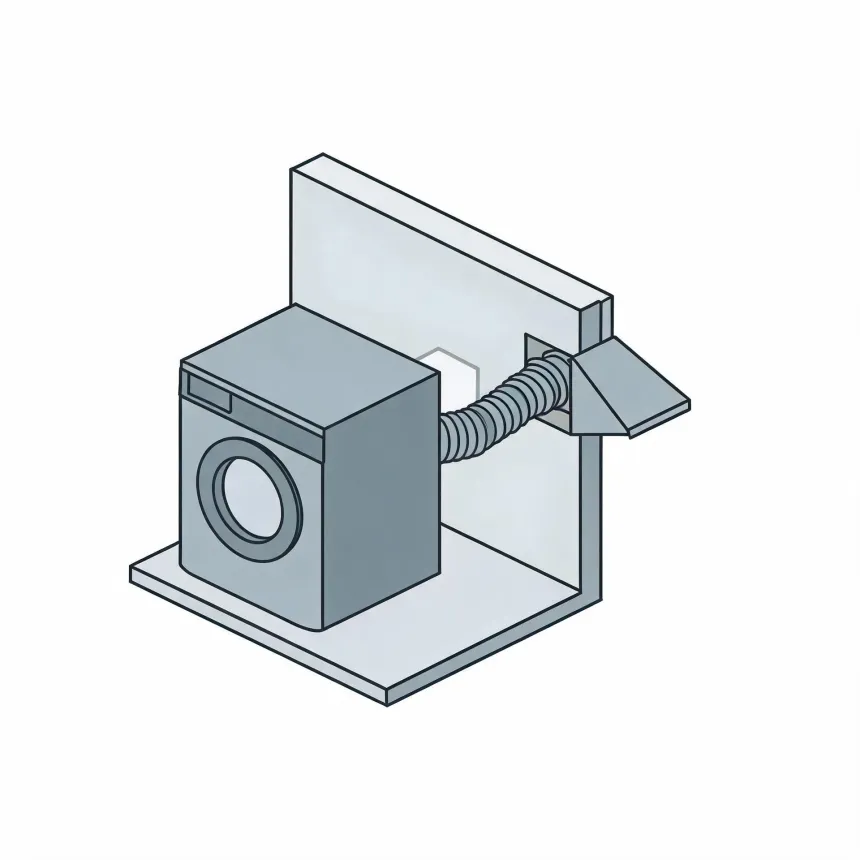
Your dryer pushes out warm, damp air, and that air has to travel through a vent that sits in cold space for most of its run. On a night near 10°F, the vent walls are cold enough that the moisture in the exhaust cools fast, and the lint riding along with it sticks instead of blowing out the hood. Layer by layer, that narrows the path the air has to move through.
A vent that's losing airflow makes the dryer run longer to dry the same load, and it gives the motor and heating element more time under strain each time you use it. The lint built up inside is also fuel sitting next to a heat source, which is the real reason this vent needs to stay clear.
- 10°F
- the average winter night, and cold vents catch damp lint
- 8 months
- October through May, the vent stays cold
NOAA nClimDiv, 1991–2020 normals
- How often should a dryer vent be cleaned?
- Once a year for most households. Lint builds up along the whole length of the vent, not just in the trap, and a year is long enough for it to narrow the airflow. If you notice clothes drying slower than they used to, don't wait for the year mark, have it checked sooner.
- Can I clean my dryer vent myself?
- You can clean the parts you can reach, but most homes cannot clear the whole run this way. A vent brush kit will get lint out of the first several feet from the back of the dryer. The rest of the run, especially where it bends or passes through a wall or the roof, needs a longer rod system to clear fully. If your vent run is long or has more than one bend, a contractor can get the whole length clean in one pass.
- What are the signs of a clogged dryer vent?
- Clothes that take two cycles to dry, a dryer that runs hotter than usual, and a burning smell are the clearest signs. Check the outside vent hood too. If you barely feel air moving out of it while the dryer runs, lint is blocking the path. A vent that stays warm or hot to the touch well after the cycle ends is another sign air isn't moving through it the way it should.