
Dryer Vent Cleaning in North Branch, MN
Tell us about your home, and a licensed contractor who covers Chisago County will get in touch.
Tell us about the job
It takes about a minute.

Cold vents make the lint stick
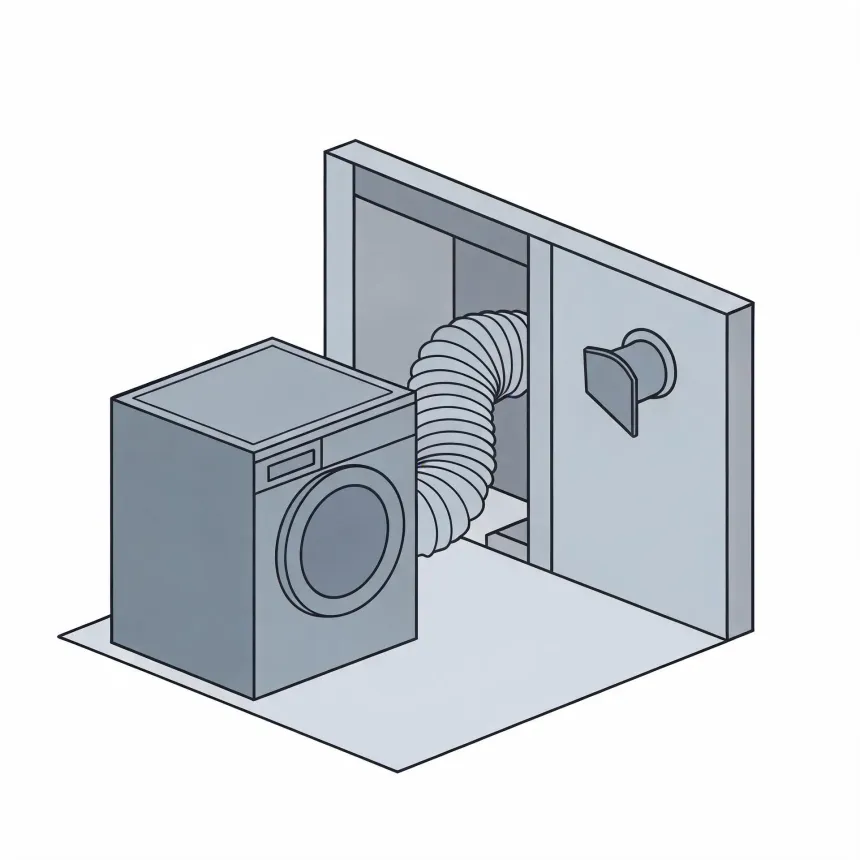
Your dryer pushes out warm, damp air every load. Once that air hits the cold part of the vent, out where it runs through an unheated wall or the attic, it cools fast. The moisture in it has nowhere to go, so it settles on the vent walls, and lint sticks to that damp surface instead of blowing outside.
Winter nights here average 8°F from December through February, and the vent stays cold for most of the nine months homes need heat. That is a long stretch for lint to build up layer by layer. A vent that is choked with it cannot clear the moist air fast enough, and the dryer has to push harder to move air through a narrowing pipe.
- 8°F
- the average winter night, and cold vents catch damp lint
- 9 months
- September through May, the vent stays cold
NOAA nClimDiv, 1991–2020 normals
- How often should a dryer vent be cleaned?
- Once a year for most households. If you run the dryer for a large family or dry loads every day, check it sooner, since more use means more lint moving through the duct. A vent that runs the length of the house or has several bends also fills up faster and is worth checking on the same yearly schedule.
- Can I clean my dryer vent myself?
- You can clean the parts you can reach, but that is usually not the whole vent. Pulling the dryer out and vacuuming the first few feet of duct and the lint trap housing helps, and brushing out the exterior hood removes what has built up at the outside end. The stretch in between, especially if the duct runs through a wall or up through a roof, needs a rod system long enough to reach it and clear the lint out rather than pack it down.
- What are the signs of a clogged dryer vent?
- Clothes that take longer than they used to, or come out hot to the touch instead of dry, are the first sign. A burning smell during the cycle, a dryer that shuts off partway through, or the outside vent hood flap barely moving when the dryer runs all point to airflow that is not getting out. With heat needed here nine months of the year, a dryer working overtime on top of a clogged vent runs hotter for longer than it should.