
Furnace Installation in North Branch, MN
A new furnace here will run from September through May every year. Tell us about the house, and a licensed contractor who covers Chisago County will get in touch.
Tell us about the job
It takes about a minute.
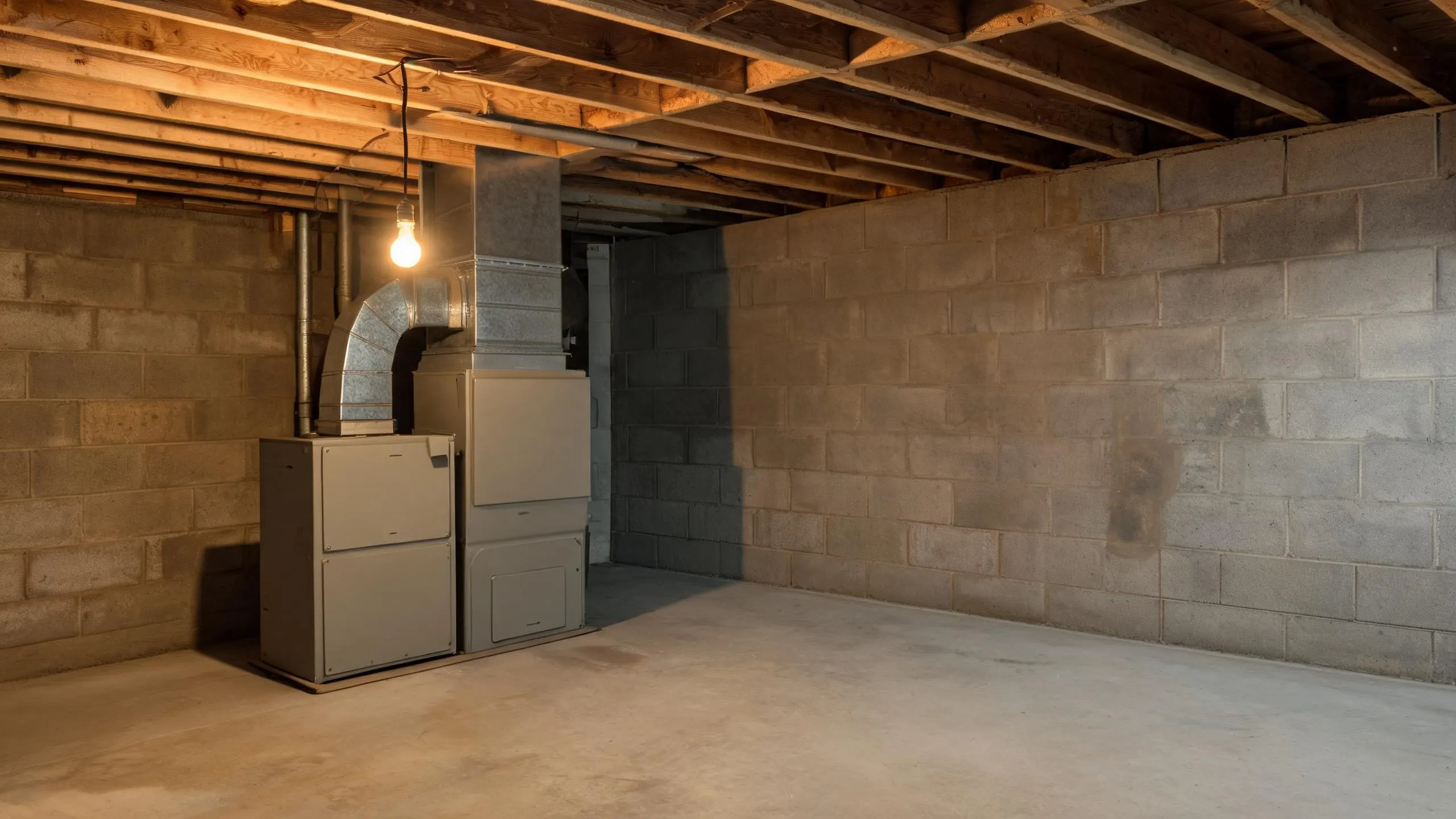
North Branch asks a lot of a furnace
Nine months a year, September through May, your furnace is what keeps the house livable. Winter nights average 8°F, and it runs to hold the line against that night after night for most of the year.
A new furnace here has to be built for that kind of season, not just able to survive it. If it burns gas, federal rules already set the floor at 80 percent AFUE for a non-weatherized unit made after November 2015, so anything installed now starts there at minimum. Chisago County has also seen 25 winter storms and 29 damaging wind events over the past ten years, the kind of weather that knocks out power along with the heat. Across Minnesota last year, 13 percent of households lost power for a day or more. A furnace that starts back up on its own once the power returns matters here.
- 9 months
- September through May, your furnace is on duty
- 8°F
- the average winter night it heats against
- 67%
- of homes here heat with gas, so most furnaces here burn gas
- 80% AFUE
- the federal minimum any new unit must meet
NOAA nClimDiv, 1991–2020 normals

A high-efficiency gas furnace would save about $110 a year to run in Chisago County compared with a gas furnace.
Estimates for a typical Chisago County home, from EIA household energy data, Minnesota fuel prices and NOAA climate normals. Your home will differ.
Minnesota has no state license for HVAC contractors.
There is no state record of who is doing this work. Minnesota does not test HVAC contractors or keep a list of them, so nothing exists at the state level to check before someone starts on your furnace.
What covers this job here is the permit and inspection most cities and counties require when a furnace gets replaced. Chisago County's building office would need to sign off on the work once it's done, and that inspection is what catches a bad gas connection or a venting mistake, not a license. Most homes in this county heat with gas, so that connection is the part worth getting checked.
Source: Minnesota Office of the Revisor of Statutes
- What size furnace does my house need?
- The right size comes from a load calculation, not a guess based on square footage. A contractor measures your insulation, your windows, your ceiling height, and how the place is laid out, then works out how much heat it loses on the coldest nights. With winter lows here averaging 8°F, a furnace that's too small will run constantly and still fall behind, and one that's too big will short cycle and wear out faster. Ask the installer to walk you through the calculation rather than just quoting a number.
- How do I know it's time to replace my furnace?
- Watch for uneven heat, rising bills for the same amount of warmth, a burner flame that's yellow instead of blue, or repairs that keep coming back. A furnace that can't keep the house warm through a stretch of 8°F nights is telling you something. Homes here need heat from September through May, nine months of the year, so an aging furnace is working hard with little time to rest between seasons. If a technician tells you the heat exchanger is cracked, that's a safety issue and not one to wait out.
- Is a high-efficiency furnace worth it?
- It depends on how long you plan to stay in the house and what furnace you have now. Every furnace sold today has to hit at least 80 percent AFUE, and high-efficiency models go higher than that, meaning less of the gas you burn goes out the flue as waste heat. With heat needed here nine months of the year, that difference gets used a lot more than it would somewhere milder, and most homes in this area heat with gas. A contractor can look at your current furnace's efficiency and your gas usage and tell you what the upgrade would actually mean for your house.