
Duct Cleaning in Rochester, MN
Tell us about your home, and a licensed contractor who covers Olmsted County will get in touch.
Tell us about the job
It takes about a minute.
Step 1 of 3: Equipment

Nine months of heating pushes a lot of air through your ducts
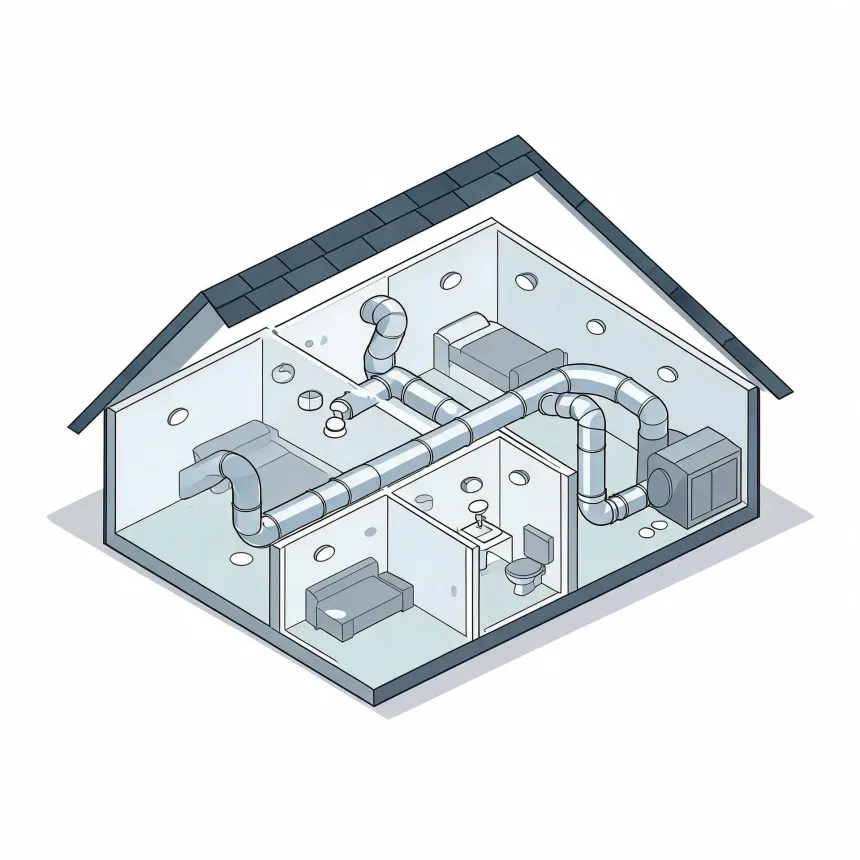
Your furnace runs from September through May here, nine months of the year. Every one of those months, air is moving through your ducts and out into the rooms, carrying whatever has settled inside them. Dust and pet hair build up along the way, and on nights that average 10°F, the furnace is running enough to move plenty of it.
Olmsted County has seen 36 winter storms and 92 damaging wind events over the past ten years. When the power goes out and comes back, the system starts back up and pushes out whatever settled while it sat idle.
- 9 months
- September through May, your furnace pushes air through your ducts
- 3 months
- June through August, your air conditioner does the same
Jan
Feb
Mar
Apr
May
Jun
Jul
Aug
Sep
Oct
Nov
Dec
NOAA nClimDiv, 1991–2020 normals
- How often should air ducts be cleaned?
- There's no fixed schedule that fits every home, but a contractor can tell you what your ducts need by looking at them. If anyone in the house has allergies, or you've had a pest problem or a renovation that kicked up dust and drywall debris, get them checked sooner rather than later. Homes here run the furnace September through May, so ducts are moving air for most of the year and can pull in more dust over that stretch than they would somewhere milder.
- Is air duct cleaning worth it?
- It depends on what's going on in your ducts. If you can see dust building up around your vents, or you've noticed more dust settling in the house than usual, cleaning them will help. It won't fix a cough or an allergy on its own, and it won't lower your heating bill, so be wary of anyone who promises either of those.
- What does air duct cleaning involve?
- A contractor connects a vacuum system to your ductwork and uses brushes or air tools to knock loose dust and debris from the inside of the ducts, then pulls it out through the vacuum. They'll also check and clean the supply and return vents, and often the blower compartment near your furnace, since that's where a lot of dust collects. The job covers the ducts themselves, not the filter, which is a separate part that needs its own regular replacement.