
Furnace Installation in St. Paul, MN
A new furnace here will run from October through May every year. Tell us about the house, and a licensed contractor who covers Ramsey County will get in touch.
Tell us about the job
It takes about a minute.
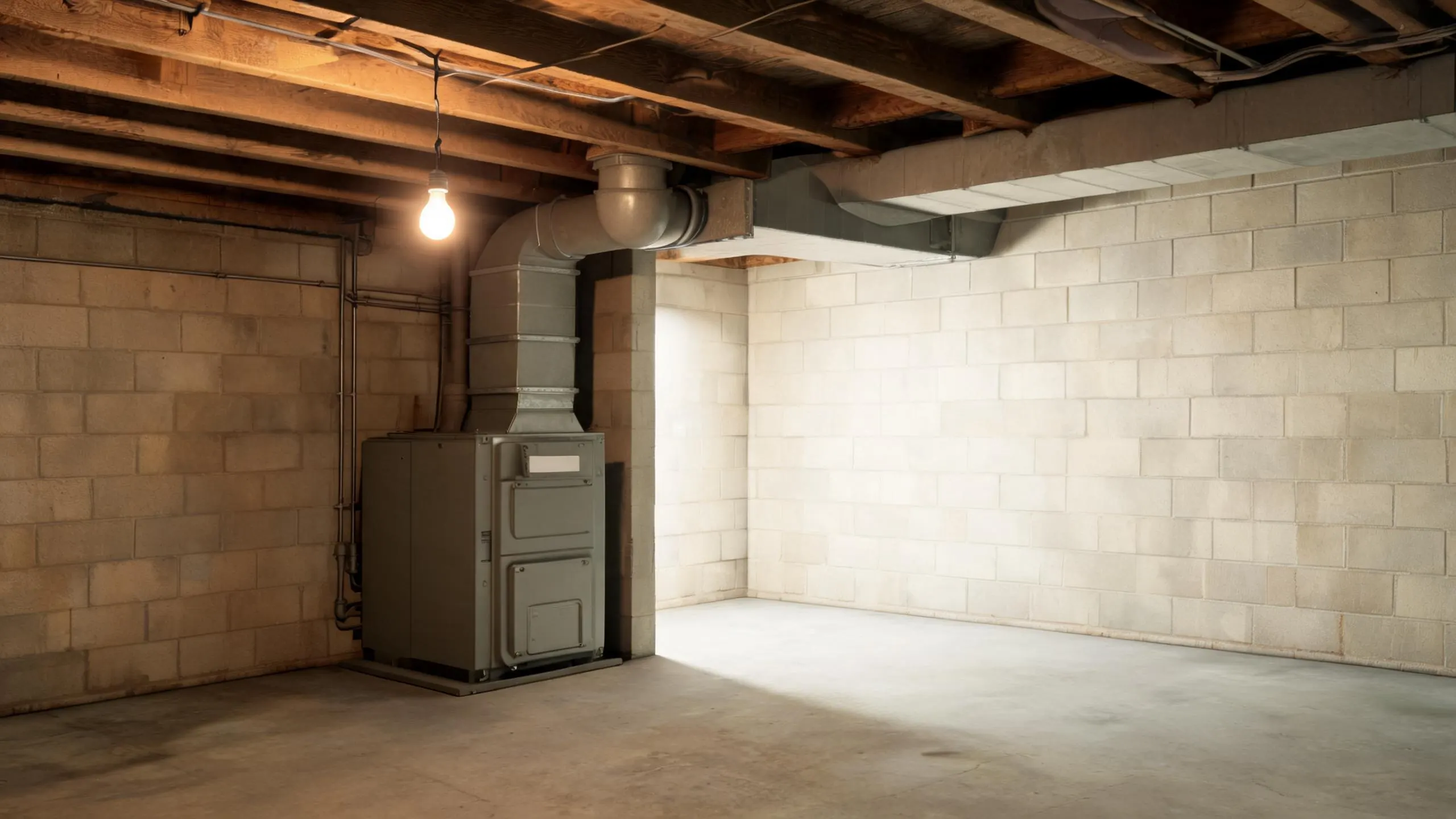
Eight months of heat a year, and nights that drop to 10 above
St. Paul asks a furnace to run from October through May. That is eight months of the year, and on winter nights the average low is 10 degrees. A furnace here does not idle. It cycles on and off for most of the year to keep up with that kind of cold.
Ramsey County has seen 31 winter storms and 42 damaging wind events over the past ten years, and across Minnesota 13 percent of households lost power for 24 hours or more in 2024. Any furnace installed here should hold up to that. If you are putting in a new gas furnace, federal rules require it to reach at least 80 percent AFUE, and most homes in the area already heat with gas.
- 8 months
- October through May, your furnace is on duty
- 10°F
- the average winter night it heats against
- 70%
- of homes here heat with gas, so most furnaces here burn gas
- 80% AFUE
- the federal minimum any new unit must meet
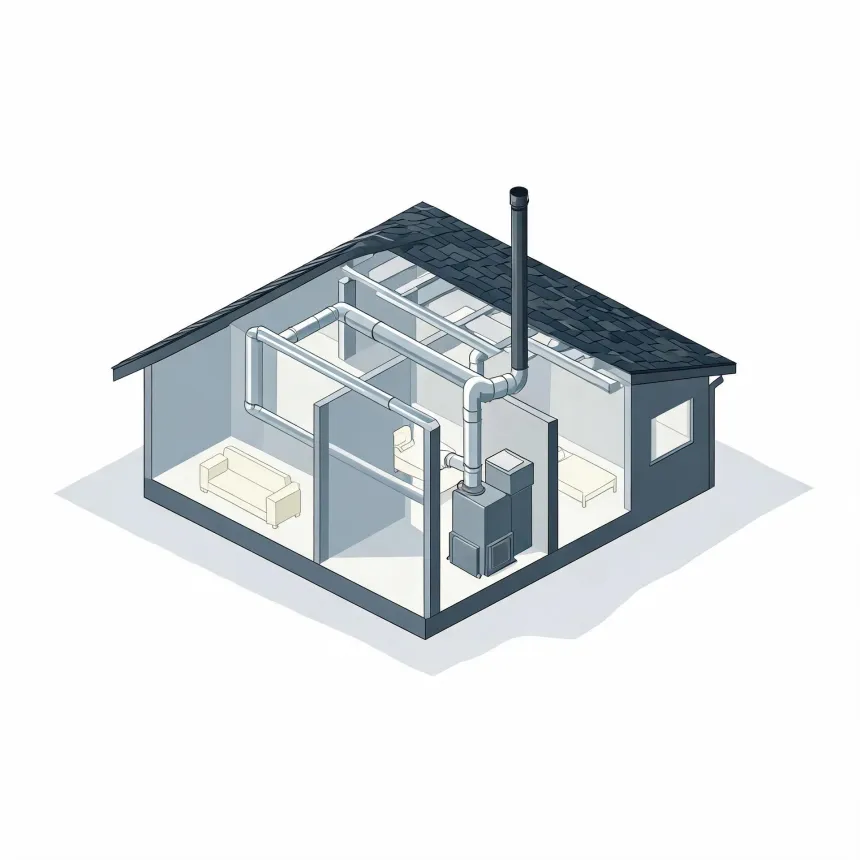
NOAA nClimDiv, 1991–2020 normals

A high-efficiency gas furnace would save about $110 a year to run in Ramsey County compared with a gas furnace.
Estimates for a typical Ramsey County home, from EIA household energy data, Minnesota fuel prices and NOAA climate normals. Your home will differ.
Minnesota has no state license for HVAC contractors.
Minnesota does not license or register HVAC contractors. There is no state exam behind the name, no license number, and no state list to check anyone against before they touch your gas line or ducts.
What stands in for that here is the permit process. In most cities and counties, including Ramsey County, installing a furnace needs a permit from the local building office, and an inspector checks the work once it is done, including the gas connection, which is the part that can hurt someone if it is wrong. That inspection is the record this state keeps instead of a license. With 70.4% of homes in Ramsey County heating with gas, it is also the check that carries the most weight here.
Source: Minnesota Office of the Revisor of Statutes
- What size furnace does my house need?
- A contractor needs to work this out for your house, not guess at it from square footage alone. Sizing comes from a heat loss calculation that accounts for your insulation, your windows, your ceiling height, and how much wall you have facing outside. A furnace that is too big cycles on and off too often and never runs long enough to heat evenly. One that is too small runs constantly on the coldest nights and still can't keep up. With winter lows here averaging 10°F, getting this number right matters more than it would somewhere milder.
- How do I know it's time to replace my furnace?
- Watch for rooms that stay cold no matter how you set the thermostat, a furnace that short cycles, or a jump in what you pay to heat the house each month. Age matters too. Furnaces installed new today are built to reach at least 80 percent AFUE, so if yours is old enough to predate that standard, it's likely burning more gas to make the same heat. Repairs that keep coming back, especially ones tied to the heat exchanger or the blower motor, are usually a sign the furnace is done. With heat needed here from October through May, a furnace that's failing in December won't wait for a convenient time.
- Is a high-efficiency furnace worth it?
- It depends on how many months your furnace actually runs, and here that's eight months a year. A high-efficiency furnace pulls more heat out of the same gas by condensing the exhaust and venting it as cooled, damp air instead of hot air up a flue. That's real savings over a long heating season like this one, not a marginal one. Whether it makes sense for your house also depends on venting, since these furnaces need a different exhaust setup than a standard model, so a contractor can walk you through what that means for your install.