
HVAC Installation in St. Paul, MN
A new system here will heat from October through May and cool from June through August every year. Tell us about the house, and a licensed contractor who covers Ramsey County will get in touch.
Tell us about the job
It takes about a minute.
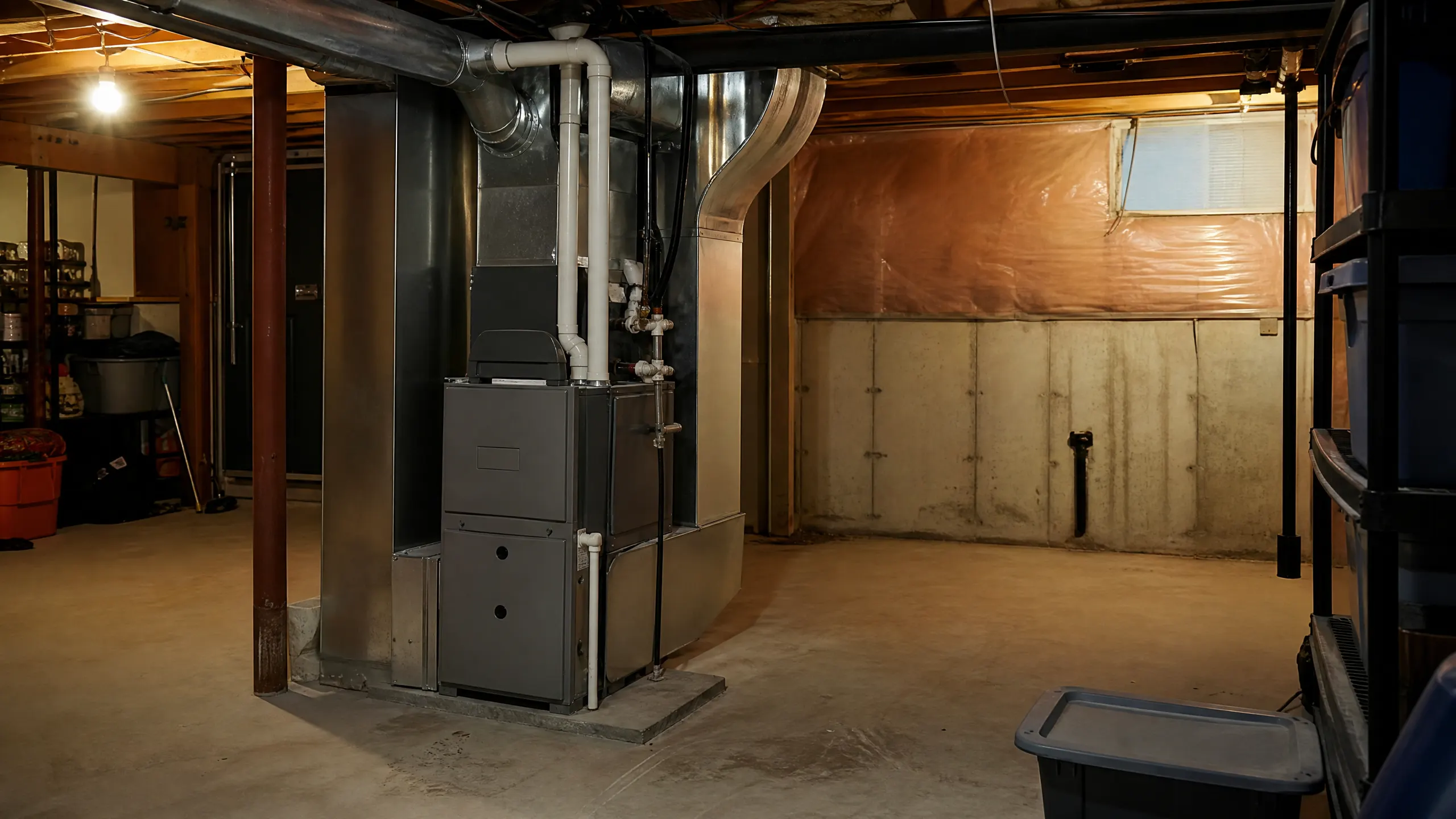
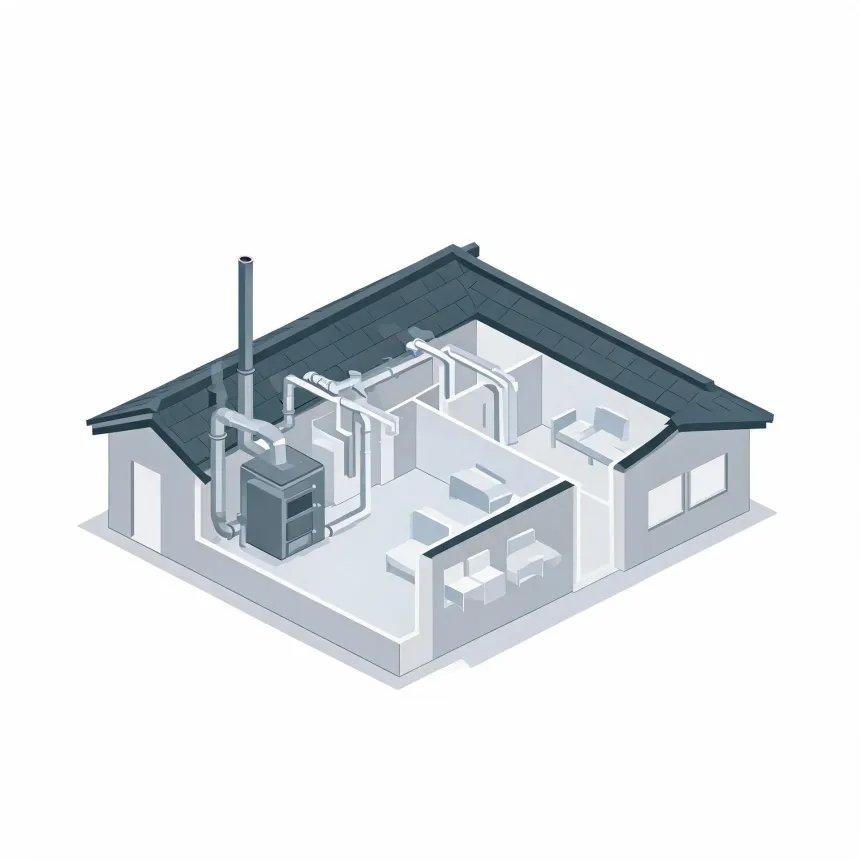
What a system in Ramsey County has to handle
Your furnace is the one running most of the year here. Winter nights average 10°F from December through February, and homes need heat from October through May, eight months straight. That is a long time for a system to carry the load, and it needs to be sized to keep up on the coldest nights, not just the average ones.
Summer is shorter but still real, with afternoons averaging 80°F from June through August. A new system has to handle both ends, the cold stretch and the warm one, since almost the whole year asks something of it. Most homes here heat with gas, and whatever furnace goes in has to meet the federal minimum efficiency rating. Storms are part of the picture too. Ramsey County has seen 31 winter storms and 42 damaging wind events over the past ten years, and statewide, 13% of households lost power for at least 24 hours in 2024. Worth asking what happens to your heat when the power goes out, and for how long.
- 8 months
- October through May, your system heats
- 3 months
- June through August, it cools
- 10°F
- the average winter night it heats against
- 80°F
- the average summer afternoon it cools against
NOAA nClimDiv, 1991–2020 normals
Minnesota has no state license for HVAC contractors.
There is no state record to check here, no license number and no exam the contractor had to pass. Minnesota has not set up that system for HVAC work, so this is not a gap anyone slipped through. It simply is not required.
What stands in for that on an installation is the permit. Putting in a new furnace, air conditioner or heat pump needs a permit from the local building office in most cities and counties, with an inspection once the work is done. That inspection is what checks the gas connection and the rest of the installation, not a license number.
Source: Minnesota Office of the Revisor of Statutes
- When should I replace my HVAC system?
- Replace it when repairs start piling up or the system is old enough that another breakdown is likely. A furnace or air conditioner working hard every winter and summer for years wears out faster than one that only runs a few months. Here, heat runs October through May and cooling runs June through August, so the equipment gets 11 months of use most years. If your furnace struggles to keep up on the coldest nights, when temperatures drop to 10 degrees, that's a sign it's losing capacity, not just a rough patch.
- Should I replace my furnace and air conditioner at the same time?
- If they're close in age, replacing both together usually makes sense. A furnace and air conditioner installed at the same time tend to wear out around the same time, and they're built to work as a matched pair. If one fails years before the other, there's no reason to replace both. A contractor can look at the age and condition of each and tell you whether pairing the work makes sense for your house.
- What happens during an HVAC installation?
- A contractor removes the old furnace, air conditioner or both, and sets the new equipment in place, connecting it to the ductwork, electrical, gas line and venting. The new system gets tested to make sure it heats or cools properly and shuts off the way it should. In St. Paul, replacing a furnace or air conditioner needs a permit from the local building office, and an inspector checks the work afterward. That inspection confirms the installation is safe, which matters given how many months a year this equipment has to run.