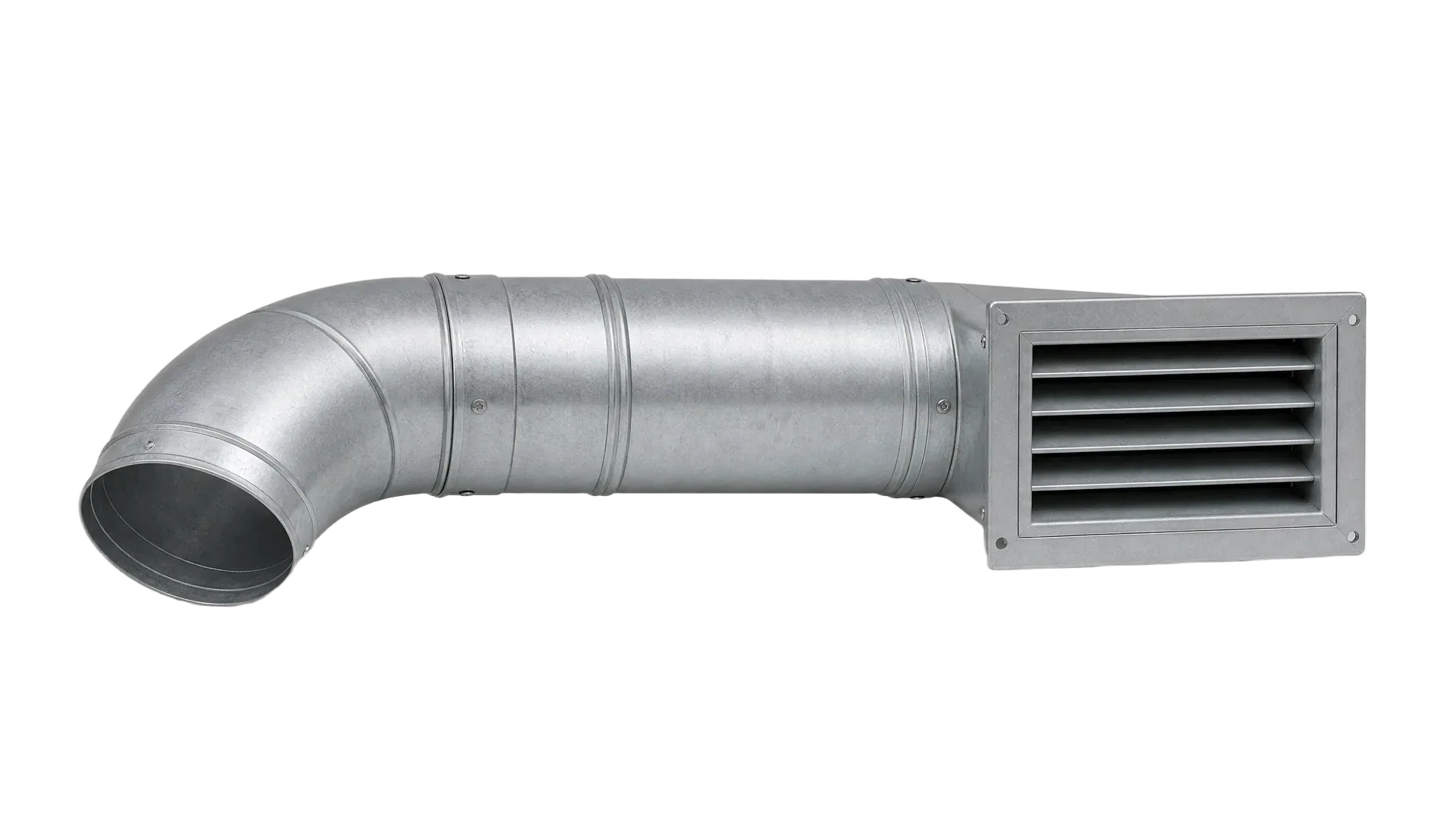
Dust that settles back on furniture within a day or two of cleaning, a musty smell when the furnace or AC kicks on, and rooms that collect more dust than others are the usual signs your ducts need attention. It happens because dust, pet hair and, in older homes, insulation fibers build up along the inside of the duct run, and every time air moves through, some of it gets pushed back into the room. Minnesota homes run the furnace hard for months, then switch to AC for the warmer stretch, and that back and forth pushes more air through the ducts than in places with a milder year. If you've noticed registers that look gray or stained, or someone in the house has been stuffed up more than usual indoors, that's air carrying what's built up inside the duct rather than anything in the rooms themselves.


Your furnace does not just push warm air into the rooms and stop there. It pulls that same air back in through a separate set of return runs, filters it, and sends it out again. That cycle repeats thousands of times over a Minnesota winter, so whatever is loose inside the trunk line never really leaves. It just keeps moving with the airflow until something catches it.
The return side usually catches the most. Check the grille on a return vent and you will often find more buildup there than on any supply vent in the house, because that is the first place dust gets pulled in.
Where the ductwork itself is matters too. Flex duct run through a crawlspace or attic has ridges inside it, and those ridges hold onto dust and pet hair in a way smooth metal trunk line doesn't. Rooms at the far end of a long flex run, or just far from the furnace, tend to show it first.
A real cleaning accounts for all of this. It runs negative pressure through the whole system and uses an agitation tool to knock loose what's stuck to the inside of the duct, not just a vacuum hose dropped through the nearest vent.
How Air Moves Through Your Ducts
- Supply runs push conditioned air into each room while a separate set of return runs pulls air back to the furnace to be filtered again.
- That return side is where dust gets pulled in first, so the grille on a return often shows more buildup than any supply vent.
- A furnace blower moves the same house air through the ducts thousands of times over a winter, and anything loose in the trunk line keeps recirculating instead of settling.
- Flex duct in a crawlspace or attic has ridges inside it that catch dust and pet hair in a way smooth metal trunk line does not.
- Rooms farthest from the furnace, or ones fed by long flex runs, often show the most dust because air has to travel through more duct to reach them.
- A duct cleaning job moves through the whole system with negative pressure and an agitation tool, not just a vacuum run through the nearest vent.


One form, no calling around
Finding someone to actually do this work is its own chore: searching for duct cleaners near you, calling two or three, explaining the same thing about the musty smell or the dust on the registers each time, then weighing quotes that aren't quite comparable because nobody looked at the same ductwork. That goes away here. The request goes to one licensed contractor working in your area, someone who cleans ducts in Minnesota homes through the same winters and summers you deal with and has seen what a furnace running October through April does to a duct system, and what a season of windows-open air in July leaves behind in the returns. You're not fielding five calls from five companies trying to beat each other's price. You explain the dust once, to the person who's going to look at your ducts, and go back to whatever else you were doing before the smell from the vents got your attention.
A furnace filter catches most of what moves through the supply side, but it does nothing for the return runs pulling air back in from every room.
That is why the dust and pet hair build up at the return grille first, long before it shows up anywhere else in the system.
Power costs 15.83 cents per kilowatt-hour statewide
At 15.83 cents a kilowatt-hour, every degree your furnace blower has to push against clogged ducts shows up on the bill. A blower straining against caked supply runs or a dust-choked return just runs longer to move the same air, and that extra runtime is what you're paying for.
EIA-861 2025 statewide residential average

Dust coming back fast, a musty smell at startup, one room always dustier than the rest
Those are the signs. If you're seeing one of them, the ducts are the reason, not the house. A return grille with buildup on it, a filter that looks fine but the dust keeps coming back anyway, that points to the duct system and not to how often you clean.
Once you know that, the next step is getting someone out to look at the supply and return runs and tell you what's actually in them. That part is usually the slow part: finding a duct cleaner in Minnesota, calling a few, describing the musty smell and the dust on the registers to each one, then trying to compare quotes that aren't counting the same things. A local contractor who cleans ducts in homes like yours all year knows what a Minnesota return line usually looks like after a winter of the furnace running, and what's normal buildup versus what needs more than a quick pass. You end up with one contractor who already understands the job, instead of a handful of callbacks to sort through.


Ductwork Cleaning
Skip the search

- A local pro who cleans ducts gets in touch with you.
- Your duct cleaning request goes to a local pro who does this work.

- Send it once and finding someone is no longer on you.
- Send the form and finding a duct cleaner is handled.

- One form replaces the calls you'd make to find a duct system pro.
- Skip calling around for someone who cleans ducts.

- Your request goes to one pro, not a list of companies.
- The pro who reaches out is licensed in Minnesota.