


How often to clean air ducts in Minnesota

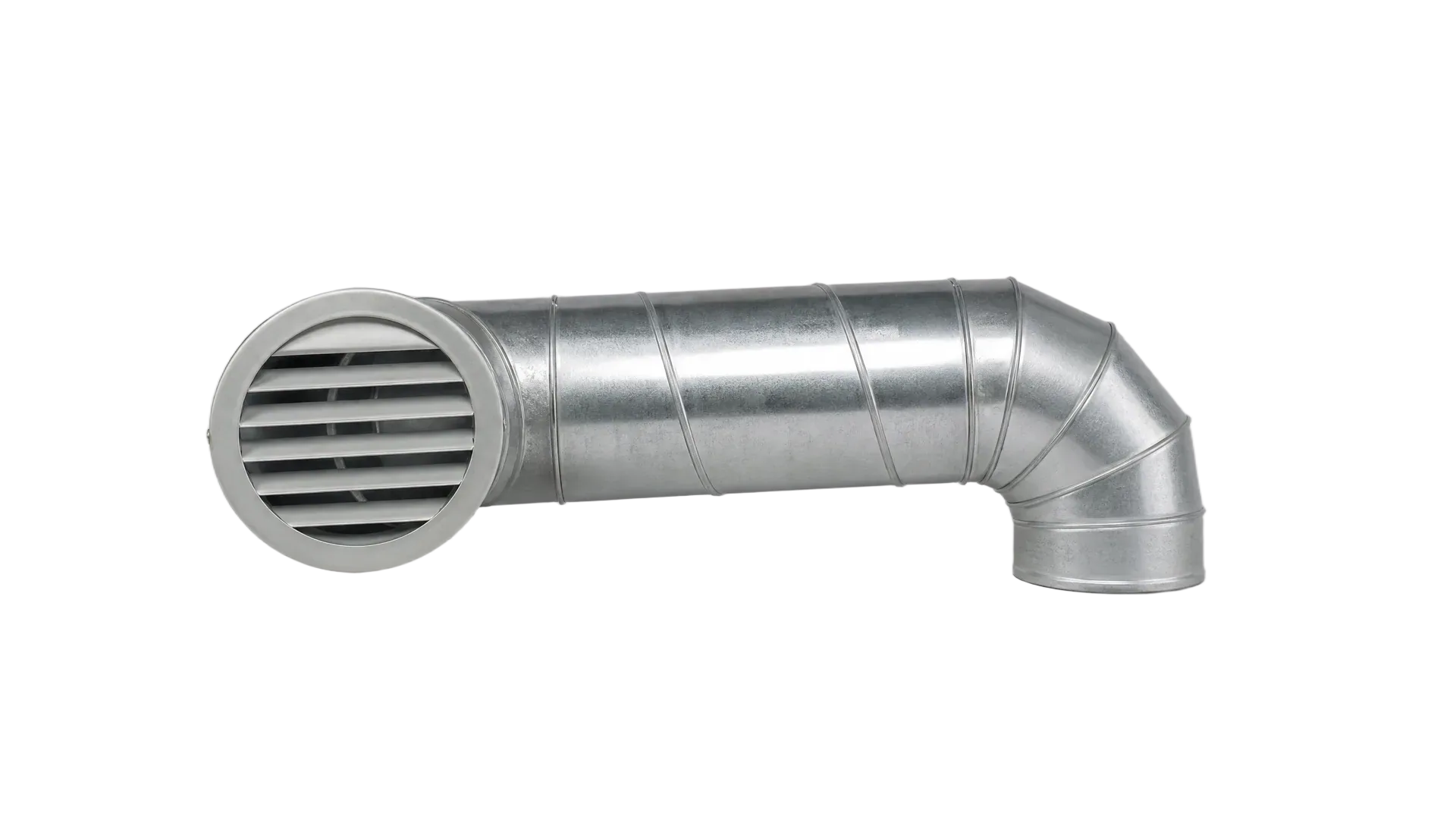
A galvanized steel round duct section with a 90-degree elbow at one end and a louvered vent grille at the other, photographed against a plain gray background.
Get matched

How often should you clean your air ducts in Minnesota?

You keep an eye on the small stuff before it turns into a bigger job, so you're not just wondering about dust. You want to know if there's an actual schedule for this, or if it depends on the house. With gas heat running the furnace hard for months and the AC doing less work in a mild summer, it's fair to ask whether that affects how often the ducts need attention.

Every 3 to 5 years, sooner if you spot a problem

Most homes do fine with duct cleaning every 3 to 5 years. That window exists because dust and debris build up slowly through normal use, not overnight. Your furnace runs long and hard here, often from October into April, and all that air moving through the ducts for months at a stretch carries dust, pet hair and whatever else settles in the system. A mild Minnesota summer doesn't push as much air through the AC side, so the furnace months do most of the work filling up your ducts. If you notice dust settling fast after cleaning, a musty smell when the furnace kicks on, or you've had recent work done on the ductwork itself, that's reason to move sooner than the 5 year mark.

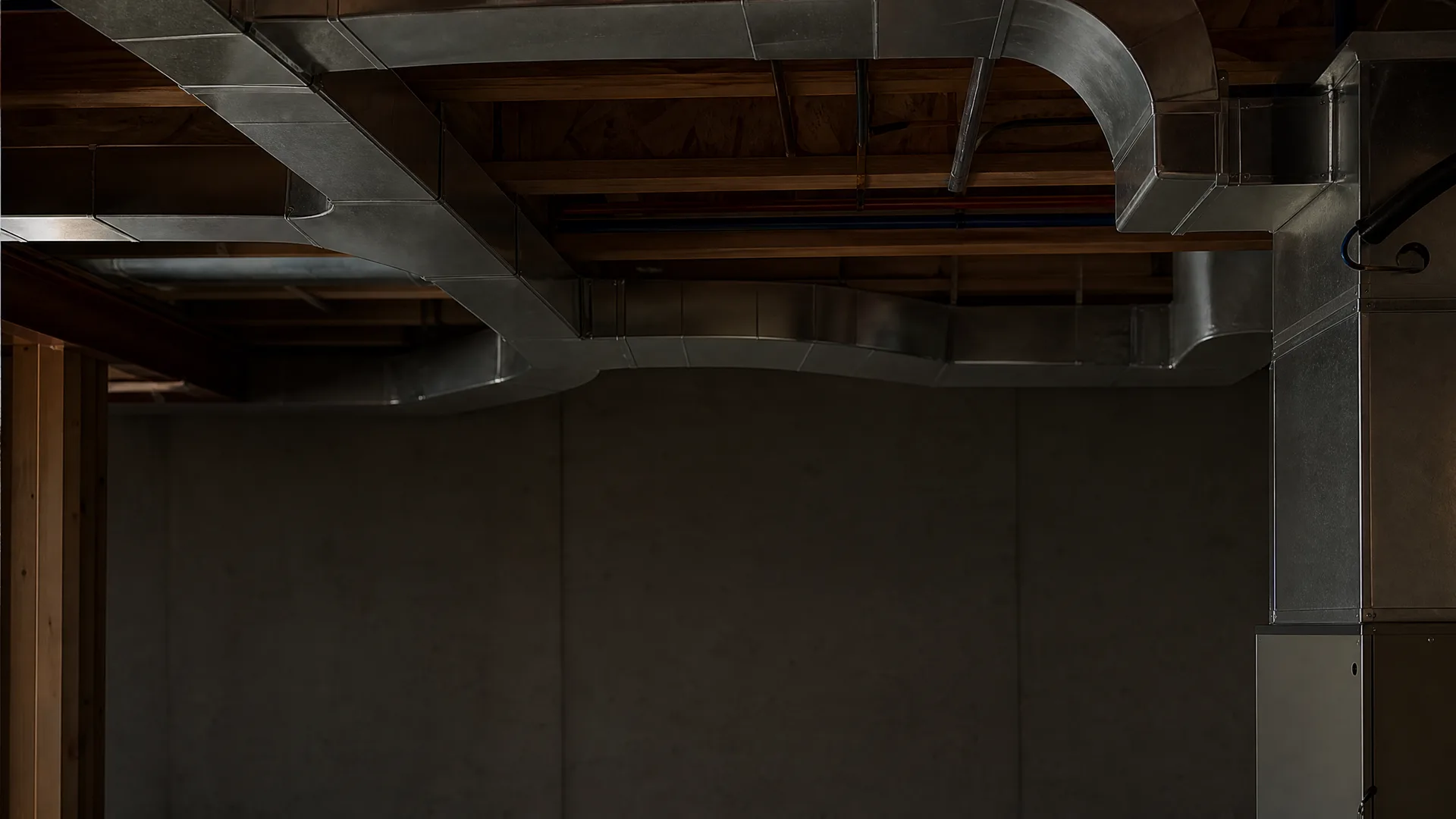
Unfinished basement interior with exposed wooden floor joists, galvanized rectangular and round sheet-metal ducts, a gray furnace unit at left, and a large blank light-colored wall at right.

What a gas furnace pulls through the ducts

Gas heat runs a lot of air past a lot of dust over a Minnesota winter. The furnace draws return air through the ducts, across the filter, and back out to every room, over and over from October to April. Any dust the filter misses settles inside the duct runs. A filter changed on schedule catches most of it, but some still gets by, and it builds up in the same bends and joints year after year until a cleaning is the only way to get it out.

Galvanized sheet metal ductwork with elbows and a vent grille running beneath an exposed wood joist and OSB ceiling, next to a blank white wall.

Why sealed runs still collect dust

Ductwork is sealed, not airtight. Small gaps at joints and boots pull in dust from the attic, the basement, or wall cavities every time the furnace or the AC kicks on. Warm, dry air without much humidity carries fine dust further into the system instead of letting it settle near the vent. Over a few years that adds up inside runs that are otherwise hard to inspect, so a look from a contractor tells you more than guessing from the vent covers alone.

Clean Now or Wait and Watch

Clean Now

  • You can see dust kicking out of the vents when the furnace kicks on, not just sitting near them.
  • Someone in the house has new allergy or sinus trouble that clears up when you're away from home for a few days.
  • A pest got into the ductwork at some point, or you found droppings near a vent or return.
  • The ducts haven't been cleaned since before the current furnace or filter setup went in.
  • You just finished a renovation that put drywall dust or sawdust into the return air.
  • You smell something musty from the vents when the AC runs in July or August.

Wait and Watch

  • You change the filter on schedule and it's not loading up faster than it used to.
  • No one in the house has new or worsening respiratory symptoms.
  • The ducts were cleaned within the last few years and nothing has changed since then.
  • There's no visible dust buildup at the supply registers or returns.
  • The house hasn't had any work done that would send debris into the duct system.
  • You haven't noticed any new smell when the furnace or AC cycles on.
Unfinished basement with bare concrete walls and floor, exposed wood joists, and galvanized sheet-metal HVAC ductwork and pipes running across the ceiling.

Ducts running clean

This is what the system should look like all winter. Air moves through the sheet metal to every room and back again without kicking dust loose at the vents. Nothing here needs attention yet, and checking on it costs you a few minutes.


Basement ceiling with galvanized sheet-metal ductwork, wooden joists and subfloor, black and white pipes, above a concrete wall and floor.

Ducts overdue

Same basement, same run of ductwork, but this is what sits unseen until someone looks. Dust builds along the seams and at the joints near the junction, and a Minnesota furnace moves it through the house for months before anyone notices.

A woman in a cream cowl-neck sweater stands in a lamp-lit room looking out a window at a snow-covered yard with shrubs and bare trees at dusk.
A woman in a gray turtleneck sweater stands near a large window in a lamp-lit living room, looking out at falling snow and snow-covered conifers.
A woman in a chunky knit sweater stands by a large window looking out at snow-covered ground, with a dimly lit living room containing a gray sofa, framed artwork, shelves and table lamps behind her.
A woman in a gray turtleneck sweater stands in a dimly lit living room with a lamp and bookshelves, looking out a multi-pane window at falling snow.

Power costs 15.83 cents per kilowatt-hour statewide

Electricity runs 15.83 cents per kilowatt-hour across Minnesota. Dust and pet hair caked on the blower wheel and coil make that motor work harder to push the same air through your ducts. A cleaning won't change your rate, but it keeps the furnace from fighting dirty ductwork all winter.

EIA-861 2025 statewide residential average

A bearded man in a plaid flannel shirt sits indoors looking out a window at snow-covered trees, with a steaming mug on the sill and wooden kitchen shelves behind him.
A bearded man in a navy T-shirt sits on a light-colored couch indoors, smiling while looking down at a laptop screen in the foreground, with a framed picture and a potted plant blurred behind him.

A duct system pro near you

Your duct cleaning request goes to one local pro.

No charge to send it. You decide if you hire them.

How the dust actually moves

  • Return air ducts pull house air back through the filter before the blower pushes it past the heat exchanger.
  • A return boot that's loose or poorly sealed draws in attic or crawlspace dust straight into the system.
  • The blower wheel itself collects a layer of dust and pet hair that no filter catches, since it sits past the filter.
  • Branch runs that go to rooms you rarely use often carry the heaviest buildup, since air moves through them least.
  • Flex duct sags and traps dust at the low points in a way rigid sheet metal trunk lines don't.
  • A cleaning crew checks the plenum and the trunk line first, since that's where the most air passes every day.

Air in your house doesn't just flow out through the vents and disappear. It comes back. Every room has a return path, and that return air carries whatever is loose in the room, dust, pet hair, skin cells, straight back toward the furnace. The filter catches most of it, but not all, and what gets past the filter lands on the blower wheel. That wheel spins constantly all winter and builds up a coating most homeowners never see, because it sits downstream of the filter where nobody looks. If a return boot in the attic or crawlspace has pulled loose from the ductwork, even slightly, it draws in whatever is floating in that space instead of filtered house air. That's often how insulation fibers or attic dust end up in a system that otherwise looks clean. Once air leaves the furnace, it doesn't move evenly through every duct. The rooms you use every day get steady airflow that keeps dust from settling. A spare bedroom or a basement storage room gets a trickle, and dust settles in that branch run and stays. Flex duct makes this worse in spots. It sags between the joists it's strapped to, and dust collects in those low points the same way sediment collects in a pipe that isn't pitched right. Rigid sheet metal trunk lines don't have that problem, since they hold their shape and nothing pools.

Empty basement room with bare concrete walls and floor, exposed wooden floor joists overhead, large galvanized sheet-metal ducts with a vent grille, colored pipes, and a single lit bulb.
Before you get your ductwork cleaning
Empty unfinished basement with bare concrete floor, insulated walls with vapor barrier between wood studs, exposed wood joists, galvanized sheet-metal ductwork, a recessed light, and a steel support column.
After you get your ductwork cleaning

Why does the dust keep coming back no matter how often you clean?

You wipe the end tables down and a thin layer is back in a couple of days. The return vents show a gray fuzz around the edges, and the air coming out of the supply registers has a smell to it when the furnace first kicks on, something like warm dust. Maybe someone in the house is stuffed up more than usual, or the sneezing eases up when they're gone for the weekend. None of this means the ductwork is ruined. It means the system is moving a lot of air through a path that's collecting more than the filter is catching, and the furnace, the air itself, and whoever breathes it most are the ones carrying that load.

  1. The blower pulls house air through the return grille and filter.

  2. A technician opens access points at the trunk line and branches.

  3. A brush or whip knocks caked dust loose from the duct walls.

  4. A vacuum set to negative pressure pulls the loosened dust out.

A Minnesota gas furnace moves a lot of air between October and April, and three to five years is the stretch most houses here fall into between cleanings, sooner if someone in the house is reacting to what's in the air or a pest got into the ducts. You don't need to guess at it. Check the registers, check the return grille, and the ducts will tell you what they need. When you're ready to get it done, you'll be matched with one contractor local to Minnesota, not a handful of companies competing for your callback. Someone who works on furnaces and duct systems through every one of these winters, who's opened up enough trunk lines to know what a loose return boot or a caked blower wheel looks like before you even describe it. That's who shows up, and that's who you talk to, not a call center reading from a script.

Dimly lit interior showing galvanized sheet-metal HVAC ductwork running below a wooden joist ceiling above a dark gray wall.

A local pro for your ductwork cleaning

Your request goes to one pro, not a list of companies.

Duct and vent cleaningDucts or ventsMinnesota
Step 1 of 2

What ZIP code is the job in?