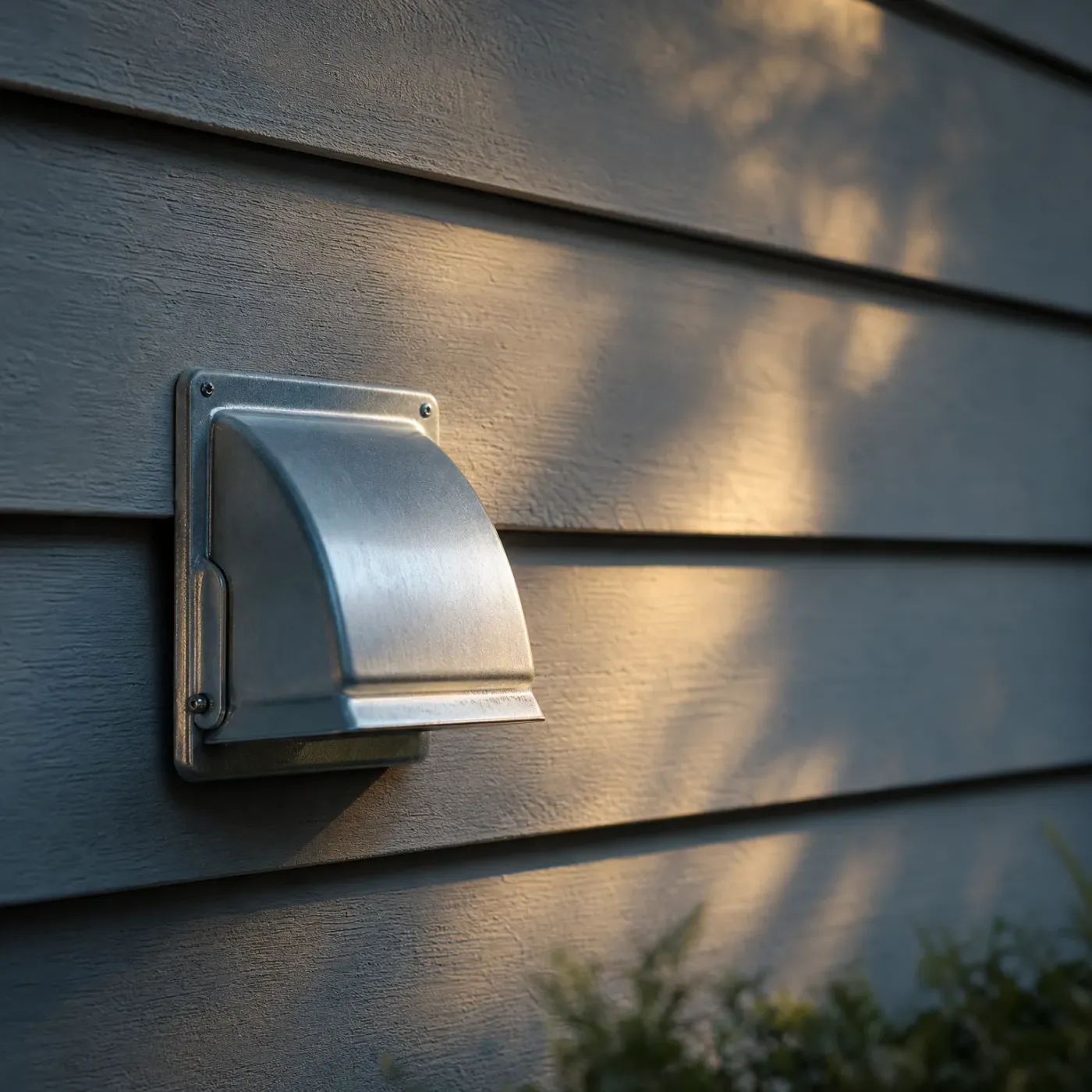




A metal hooded dryer vent cover screwed to gray horizontal lap siding, with warm late-day light and leaf shadows across the wall and green shrubs at the lower right.

Matched to your dryer vent job

Birds nesting in a dryer vent in Woodbury, MN

Birds pick a dryer vent hood when the flap doesn't seal tight, and once nesting material packs the duct, your dryer has nowhere to push hot air. This page walks through how to tell if that's what's going on and what it takes to clear it out safely. A local pro who deals with vents and ductwork around Woodbury can take a look and sort out what yours needs.

Get matched

A bird nesting in your dryer vent is common in spring, when birds look for a warm, sheltered spot to build. The vent hood on the outside of your house has a flap meant to keep them out, but if that flap is bent, stuck open, or missing, it's an easy way in. Once a bird gets inside and starts packing in twigs and grass, the duct narrows or blocks outright. Your dryer still runs, but the hot, damp air it pushes out has nowhere to go. You'll notice clothes taking longer to dry, a burning smell, or the dryer shutting off on its own. In Woodbury, where dryers run most days through the cold months, a blocked vent also means moisture backing up into the duct instead of venting outside, which can lead to rust and mold inside the ductwork. A blocked vent is also a fire risk, since lint and nesting material are both flammable and heat has nowhere to escape.

Why does a bird in the vent turn into a bigger problem here?

  • 2.58 people per household on average

    With 2.58 people in the average Washington County household, that dryer is likely running loads most days of the week, so a blocked vent gets tested fast.

  • Half the homes here were built by 1992

    Half the homes in the county were built in 1992 or earlier, which means plenty of vent hoods and ducts are old enough that the flap no longer seals the way it did new.

  • Power here costs 16.82 cents per kilowatt-hour

    At 16.82 cents per kilowatt-hour, a dryer straining against a packed vent runs longer to finish a load, and that time adds up on the power bill.

ACS 2020-2024 · EIA-861 2025

A gray-haired man in a dark coat with snow on the shoulders and collar stands smiling in a dimly lit entryway with a paneled front door, lamps, and a framed picture in an adjoining room.
A gray-haired, bearded man in a dark winter coat with snow on the shoulders stands in a doorway of a home interior with a lit lamp, framed pictures, a potted plant and a staircase behind him, and an evergreen wreath at the left edge.
An older man with gray hair and a beard, wearing a snow-dusted dark coat and knit scarf, stands smiling in a dimly lit house entry with a lit lamp, mirror, and a living room with snow visible through the window behind him.
A smiling gray-haired man in a dark wool coat with snow flecks stands in a dimly lit home entryway, with a lit table lamp, potted plant, framed pictures and a living room visible behind him.

Clear It Yourself or Call a Contractor

Clear It Yourself

  • If the nest is just in the vent hood itself, you can often reach it with gloves and pull the material out by hand.
  • Checking the hood from outside costs nothing but a ladder and a few minutes, and tells you right away whether birds are the problem.
  • A flap that's bent or stuck open is something you can sometimes bend back into place or wire shut temporarily until it's replaced.
  • Once the hood is clear, running the dryer on air-fluff for a minute can help confirm whether air is moving through again.
  • This only works if the nest hasn't been pushed further back into the duct by the airflow or by your own attempts to pull it out.

Call a Contractor

  • If nesting material has moved past the hood and into the duct run, a shop vac and gloved hand won't reach it.
  • A contractor working dryer vents in Washington County every season knows where birds tend to nest in local duct setups and how far material usually travels.
  • Pulling a nest out wrong can push debris deeper into the duct instead of out, which makes the next cleaning harder.
  • A local contractor can also replace the vent hood itself with one birds can't get past, so the problem doesn't come back next spring.
  • Getting matched with one contractor instead of several means you're dealing with a single visit from someone who already knows what to look for.
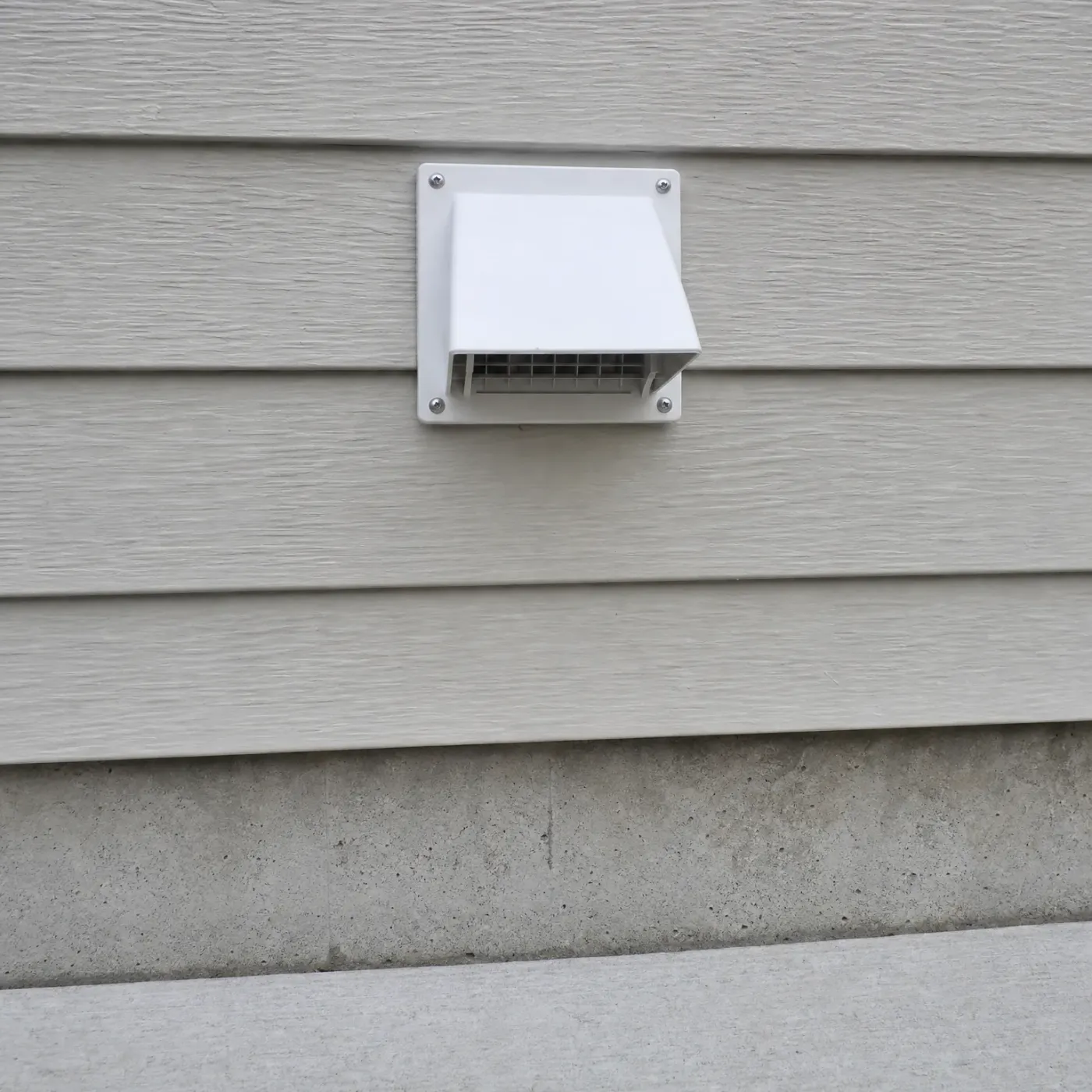
A white hooded dryer vent with a louvered opening mounted on light gray horizontal lap siding above a concrete foundation.

Vent Clear and Sealed

This is what a clear vent looks like from outside. The flap sits closed against the hood, opening only when the dryer pushes air out. Air and lint pass straight through to the outside, and the flap swings shut again as soon as the dryer stops.
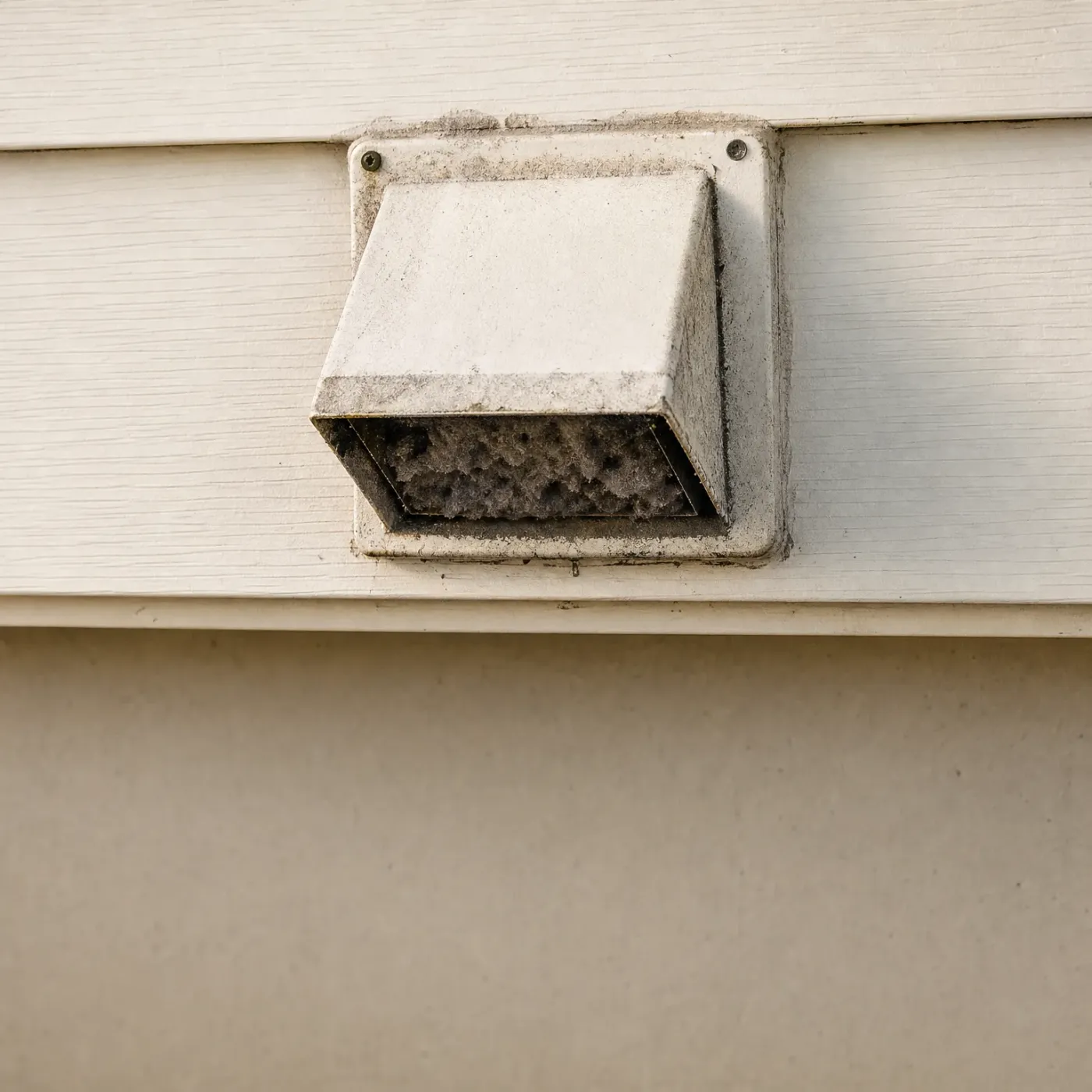
A white plastic hood-style dryer vent mounted on beige horizontal siding, with its opening clogged by thick gray lint.

Vent Packed with Lint

Lint has built up around the opening until the flap can't close anymore. Once it stays open or stuck, the hood is an open door for a bird looking for shelter, and the dryer has to push air through a duct that's already half blocked.

What tips you off that birds got into your vent

Run a load and check the outside hood. If the flap barely moves or stays shut while the dryer is running, air is backing up somewhere behind it. Inside the house, towels take longer to dry than they used to, or the dryer itself feels hot to the touch partway through a cycle. You might hear scratching or soft chirping from the vent line, especially near the wall where it runs. A burnt or musty smell when the dryer kicks on is another sign, since that's nesting material heating up against the drum's exhaust. Left alone, the blockage forces the dryer to run longer and hotter than it should, and that's where the real risk starts.

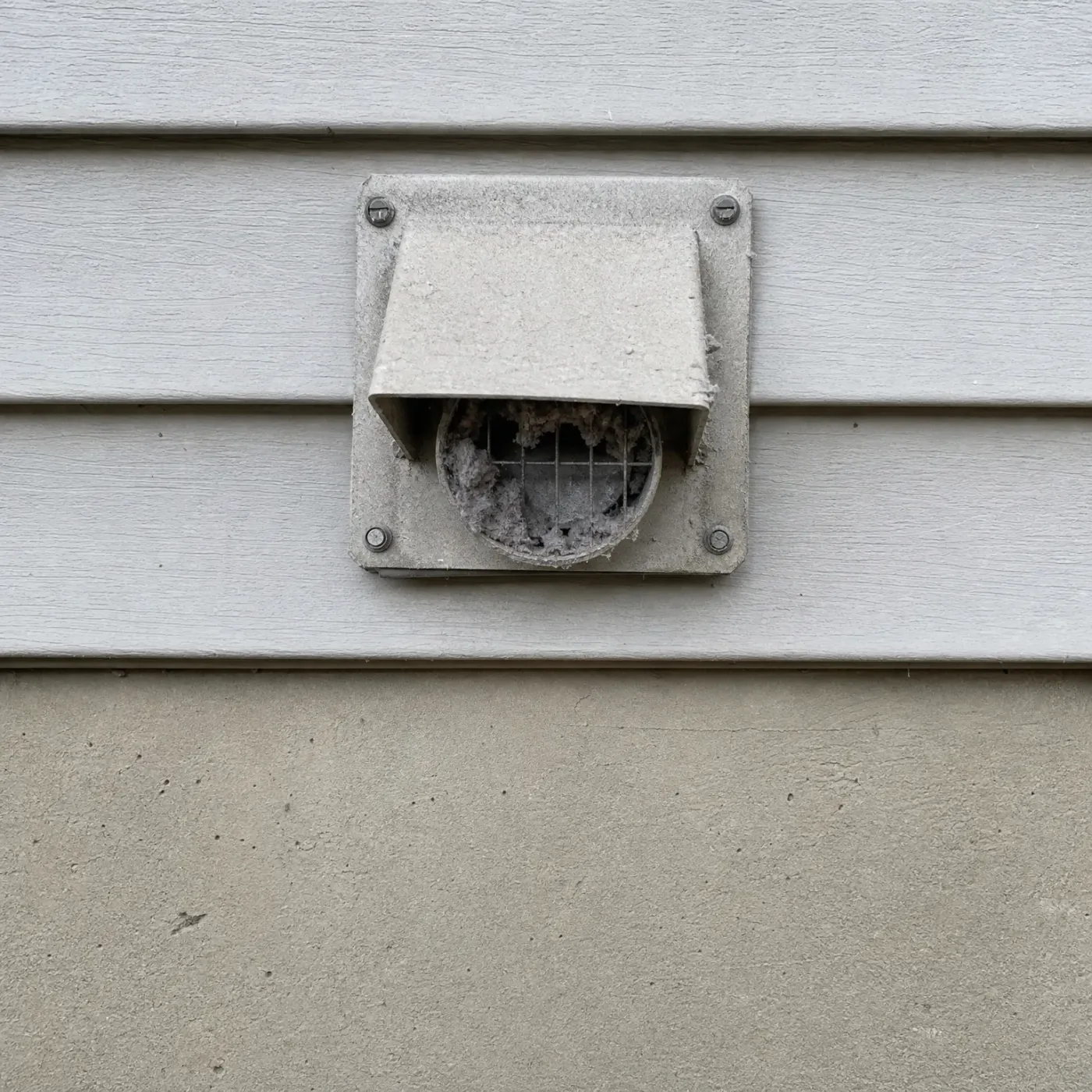
A metal dryer vent hood screwed to light gray lap siding, with lint clogging the round opening and a lower concrete wall below.
Before you get your dryer vent cleaning
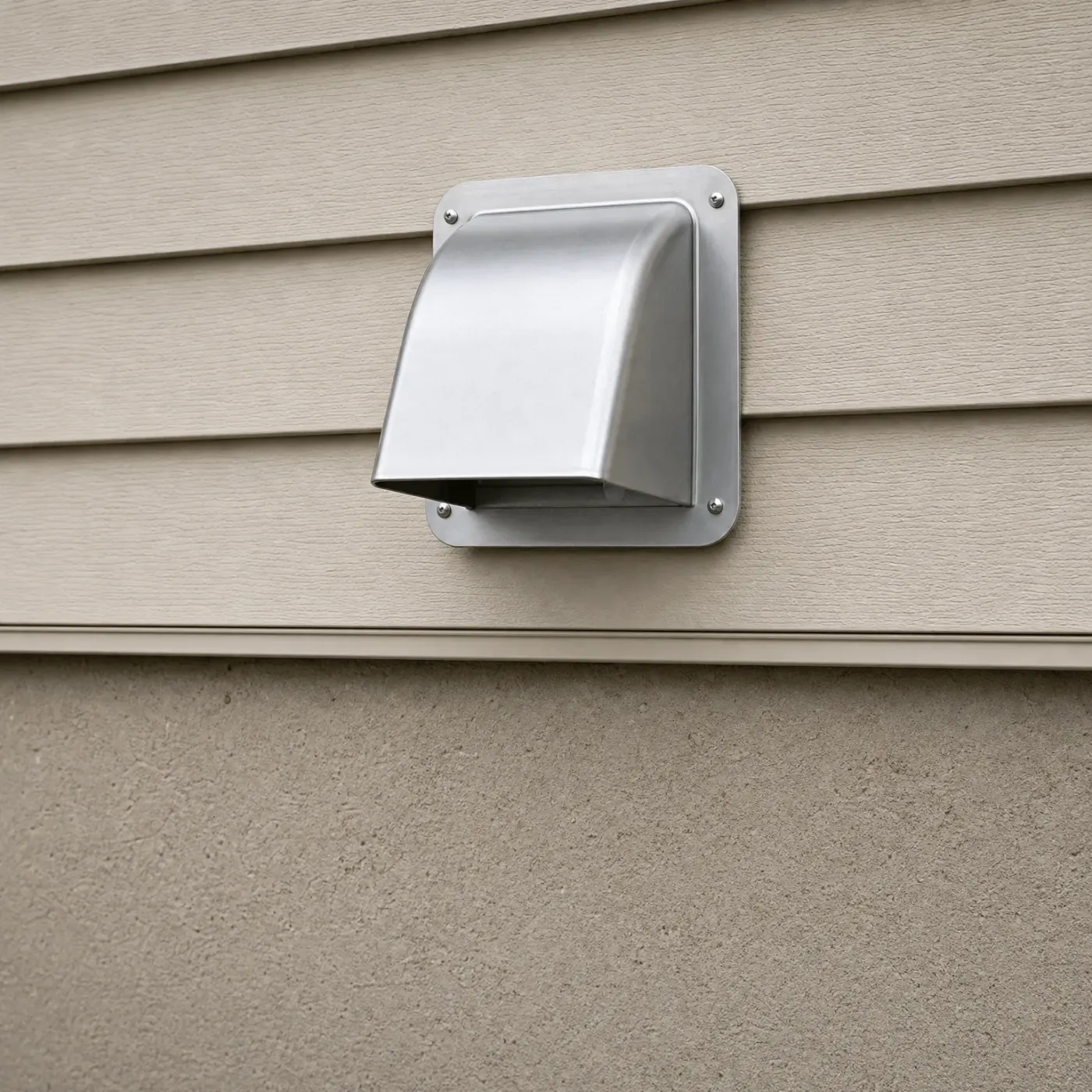
A metal hooded dryer vent cover mounted on beige horizontal lap siding above a textured concrete foundation wall.
After you get your dryer vent cleaning
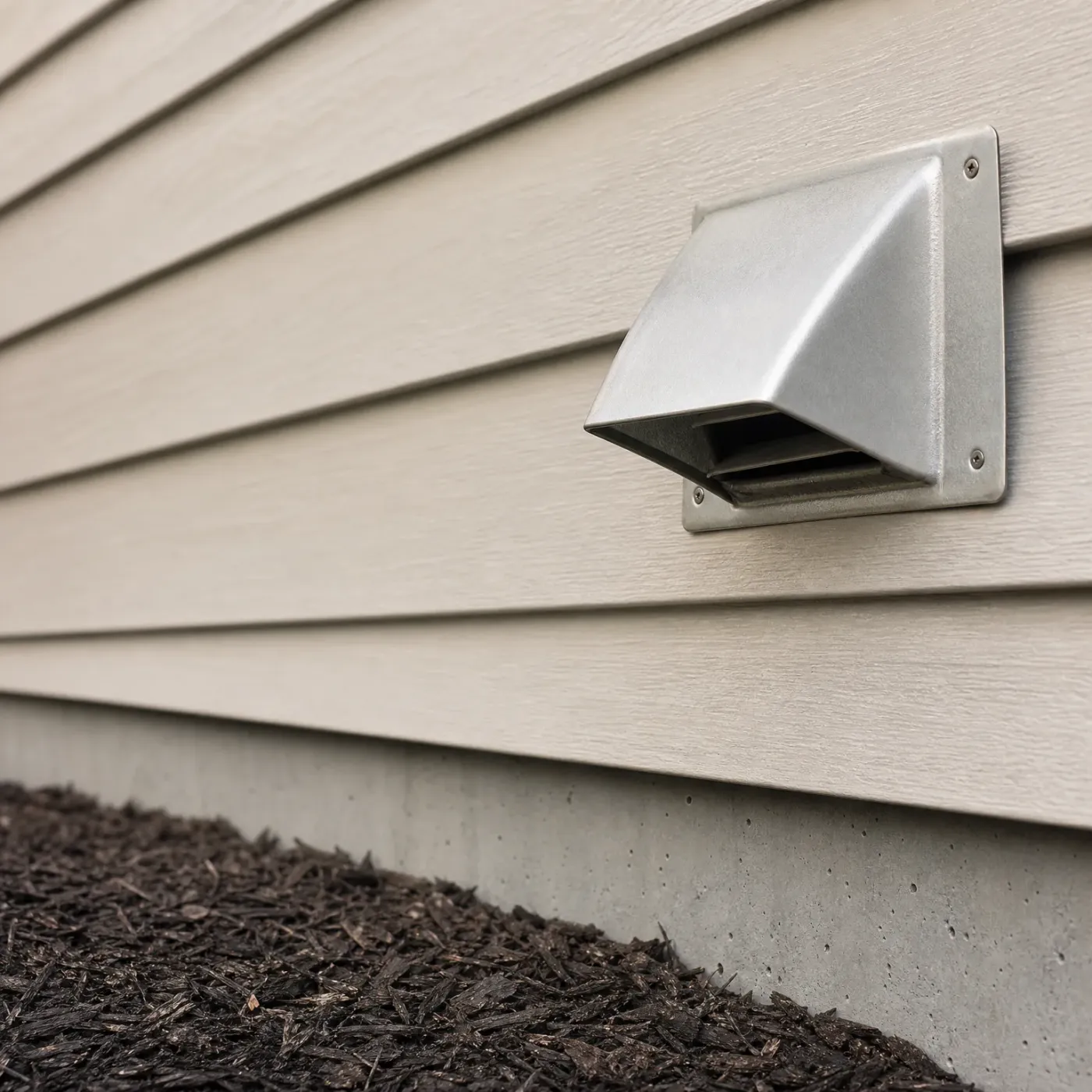
A metal hooded exterior dryer vent with louvered opening mounted on beige lap siding above a concrete foundation bordered by dark mulch.

A dryer vent pro near you

The pro who gets in touch is licensed in Minnesota and works in Washington County.

Your request goes to a Washington County pro who takes dryer vent jobs.

Get one local pro

Asking costs nothing, and the choice to hire stays yours.

How do you actually get a bird nest out of a dryer vent?

You've confirmed there's a nest in there, or you strongly suspect one, and now you want to know what actually happens to clear it. It's not as simple as reaching in with your hand and hoping, especially if the nest is further down the duct than the hood itself, and you don't want to push material in deeper or damage the vent trying.

A rod-and-brush pass through the full duct length, working from both ends

A contractor runs flexible rods with a brush head through the duct from the exterior hood, working the nest loose in sections rather than trying to pull it all at once. They'll also check from the dryer end, since a vent run with a few bends often needs rods fed from both sides to clear the whole length. Once the material is out, they run the dryer and check that the hood flap opens fully and air is moving the way it should. A shop vac can pull out loose material near the hood opening, but it won't reach a nest built further back in the duct, which is why the full pass matters.

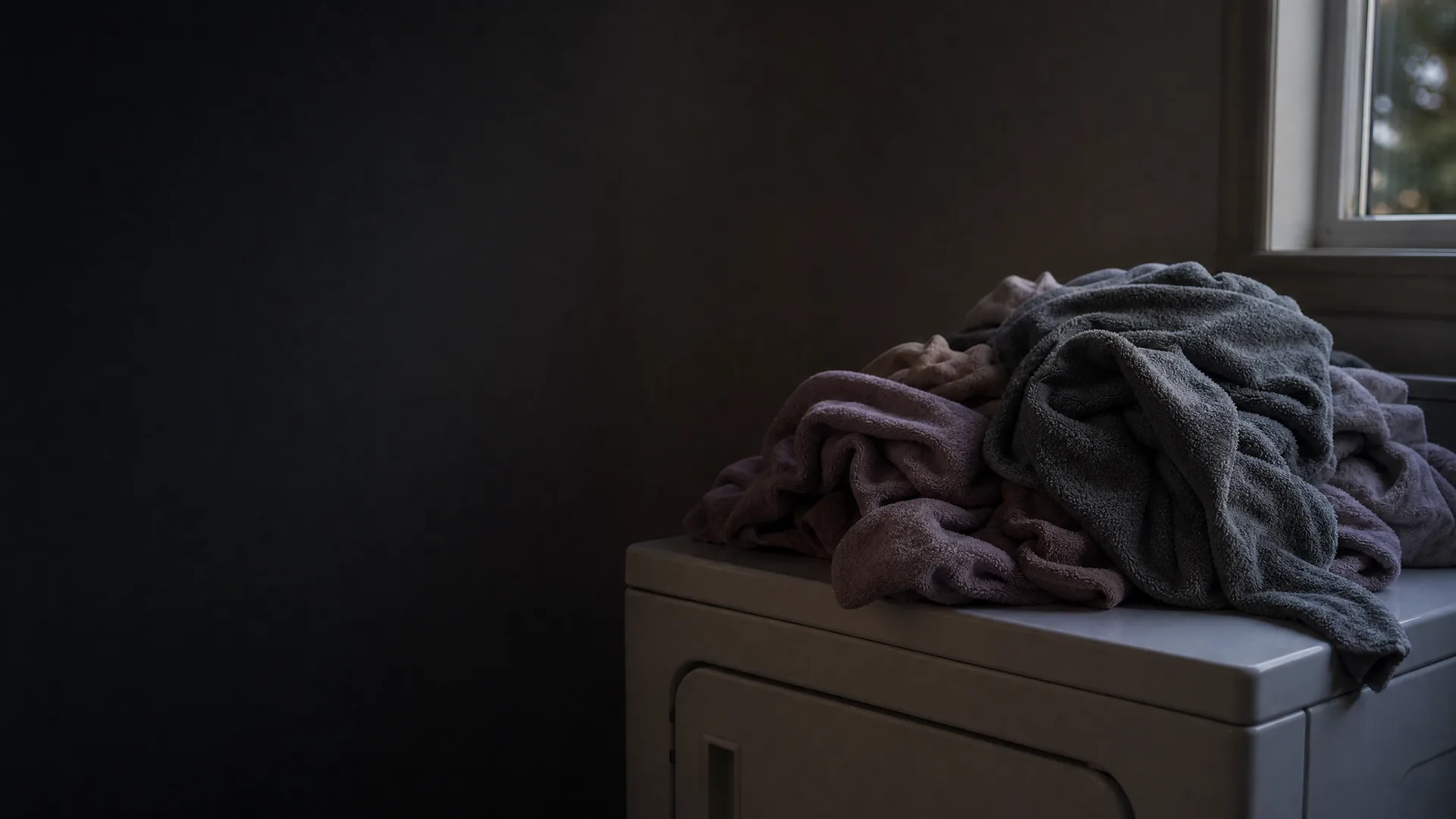
A pile of gray and pink towels sits on top of a white dryer in a dim room beside a window.

It's a Tuesday night and you're pulling the second load out, towels this time. They came out heavy, still cold and damp in the middle, the way they'd feel if you'd barely run the dryer at all. You check the lint trap. Clean. You run your hand along the seam of the door. No obvious reason. You set the load on top of the dryer and figure you'll just run it again on high, longer this time, and head back to finish the dishes while the hum carries on behind you.

A woman stands in the open front doorway of a single-story house with a covered porch, stone column bases and a dormer window, facing a man in a dark cap and gray polo shirt seen from behind in the foreground.

A blocked vent has one cause worth checking first

If your dryer is running longer than it used to and the outside hood flap won't swing open, a nest is the likely reason, and pulling it out is what fixes it. Nothing else about the dryer needs to be wrong. Once the duct is clear and the flap seats shut again on its own, the dryer is back to doing what it was built to do.

A contractor who clears vents in Woodbury homes all through the spring has seen where birds get in on this hood style and how far the material usually travels down the duct. You'll be matched with one contractor local to this area, not a handful of companies competing for the job, and that contractor will reach out to you directly to look at your vent and tell you what it will take to clear it.

A living room corner with a light beige sofa holding a textured taupe cushion, a large ceramic vase of olive branches by a window, a framed neutral artwork on the wall, and a dark bowl with stacked books in the foreground.
A woman with hair in a bun sits wrapped in a thick cream blanket in an armchair, an open book in front of her, beside a lit lamp and a frosted window.
An older woman in a cream knit sweater smiles while looking off-camera in a warmly lit kitchen, with a round loaf of bread on a wooden board in the foreground and a dark window behind her.

Dryer Vent Cleaning

Get matched with a dryer vent pro in Washington County

The pro who reaches out is licensed in Minnesota.

A black smartphone standing upright on a plain white background, its screen filled with solid green.
Duct and vent cleaningWashington County, MN
Step 1 of 3

What kind of equipment?