

How often to clean a dryer vent in Minneapolis, MN

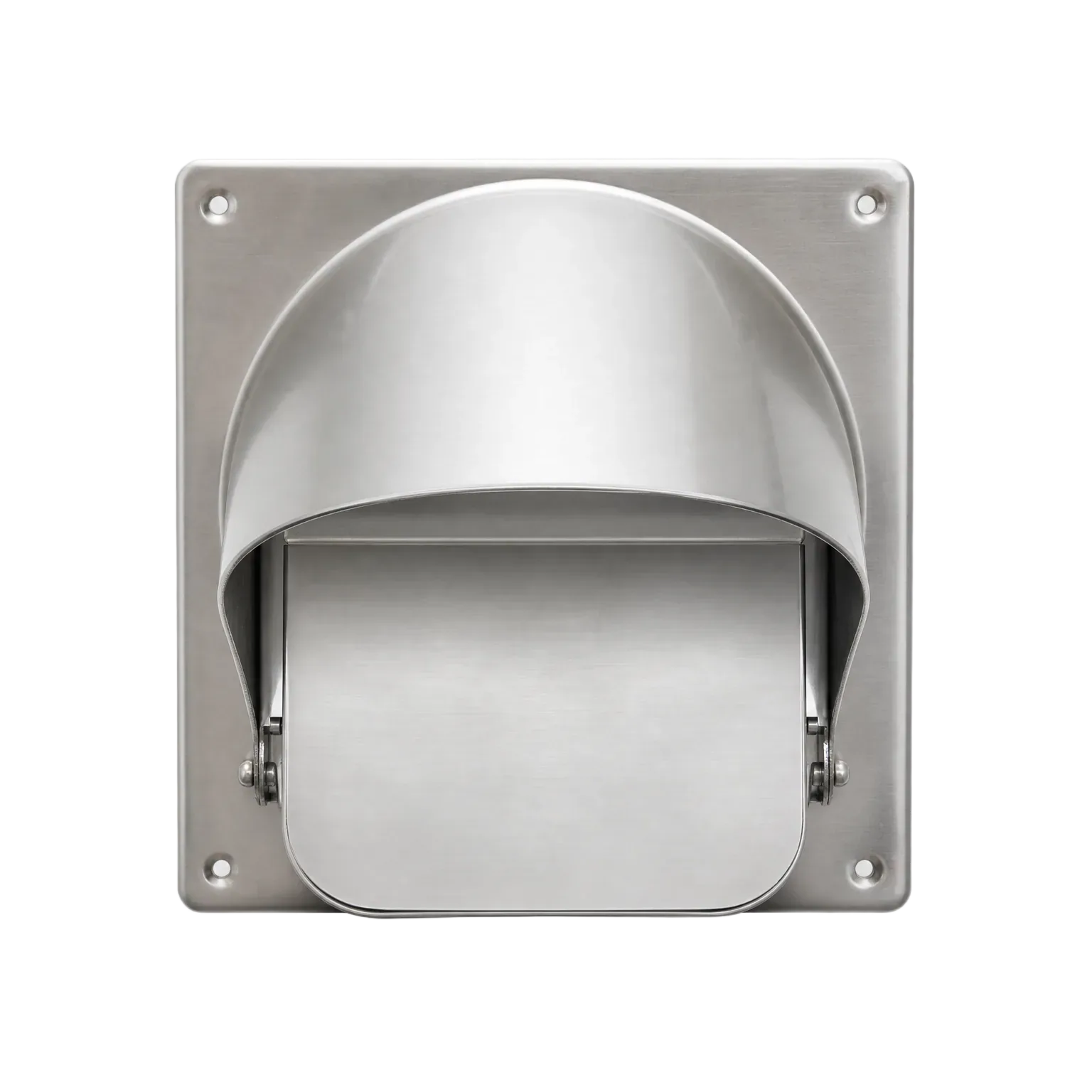
A stainless steel square wall vent with a curved hood and a hinged flap damper, shown straight on against a plain gray background.
Get a dryer vent pro

Clean your dryer vent once a year. If you run loads most days or dry a lot of towels and bedding, do it every six to eight months instead. Lint builds up along the duct whether the dryer is gas or electric, and a blocked vent makes the dryer run longer to dry the same load. In Hennepin County that matters more in winter. Cold air coming through the vent hood can freeze trapped moisture and lint into a solid clog, and a dryer that's working harder is pulling more power to do it, which shows up on the bill given how much electricity costs here. A vent that's clogged also pushes warm, moist air back into the house instead of outside, which is its own problem in a sealed-up winter home. If your dryer is taking two cycles to dry what used to take one, or the top of the machine feels hot to the touch, the vent needs cleaning now, not on a yearly schedule.

A woman wrapped in a thick cream knit blanket sits in a chair with an open book on her lap, beside a lit table lamp and a frost-covered window at night.
An older woman with grey-blonde hair in an updo and a beige turtleneck sweater smiles while looking to the side in a warmly lit kitchen, with a round loaf of bread on the counter in front of her and a dark window showing snow outside.

Why lint catches here

Minneapolis winters push dry, heated air through the house for months, and that dry air makes lint lighter and more likely to drift and settle along the duct instead of blowing straight out the hood. A long duct run or one with a few bends gives lint more places to catch. Add a cold Minneapolis winter outside, and any moisture left in a clogged vent has a better chance of freezing near the exterior hood, narrowing it further until air barely gets through.


What a blocked vent costs you

Most homes in the area run gas dryers, and a gas dryer with a blocked vent still ignites and runs, so nothing warns you except clothes that take two or three cycles to dry. The motor and heating element work harder and longer to push air through a narrowed duct, and that extra run time shows up on a power bill that is already high here. A dryer working against lint buildup also wears its parts faster than one venting freely.

What does your household actually run through that vent?

  • 2.3 people per household on average

    Most homes here hold about 2.3 people, so the dryer is likely running several loads a week year-round, feeding lint into the duct on a steady schedule.

  • Half the homes here were built by 1973

    Half the homes in Hennepin County went up in 1973 or earlier. A duct run that old has had decades to pick up dents and sagging joints that catch lint.

  • Power here costs 16.88 cents per kilowatt-hour

    Power here runs 16.88 cents per kilowatt-hour. A duct clogged with lint makes the dryer work longer to finish each load, and that time adds up on the bill.

ACS 2020-2024 · EIA-861 2025

A metal hooded exterior vent with a screened opening mounted on gray horizontal lap siding, with a plain white wall at right.

Once a year is enough

A dryer that vents through a short, straight run to an outside wall clears lint easily on its own with every load. If your laundry room sits near an exterior wall and the vent run is short, once a year keeps the duct clear. You'll notice clothes drying in one cycle and the dryer shutting off on schedule instead of running past the timer.

A white plastic hooded dryer vent cover screwed to light gray horizontal lap siding at an exterior wall corner.

When the run works against you

A duct that climbs through a wall, turns a few corners, or runs long before it reaches outside gives lint more places to catch. Houses with the laundry room in a basement or built up from the ground often have longer runs to clear, and heavy use adds to that. In that case, cleaning every six to eight months keeps the duct from choking down to a slow trickle of air.

Clean It Yourself or Call a Contractor

Clean it yourself

  • A long-handled brush run through the hood end and the dryer end once a year catches most of the lint a straight duct collects.
  • You can check the job worked by holding a hand near the outside hood while the dryer runs on a warm load, feeling for strong airflow.
  • This works best when the duct run is short and straight, with no more than a turn or two between the dryer and the outside wall.
  • A flexible foil or vinyl duct is harder to clear by hand than rigid metal, since lint catches on the ribbed interior.
  • If the hood flap outside doesn't open all the way when the dryer runs, that's lint built up past where a brush can reach.
  • Skipping a year is a real option only if you already know your duct run is short and your loads are average.

Have it cleaned

  • A contractor runs a rotary brush the full length of the duct, including sections behind walls or in the attic a handheld brush can't reach.
  • This matters most for longer runs, runs with several bends, or any duct that goes up through a roof instead of straight out a wall.
  • If you're drying towels, bedding or several loads a day, the extra lint load can call for cleaning on the six to eight month end rather than once a year.
  • A contractor can also tell you whether the duct itself, not just the lint inside it, is the reason the dryer runs long or the room stays warm.
  • Once the form is sent, finding someone to do this stops being your job and the contractor follows up with you directly.
  • This is worth doing once if you've never had the full run cleared, since you won't know what a brush alone misses until someone checks it.
A pile of folded green, beige, and gray towels sits on top of a white washer or dryer in a dim room beside a window with trees outside.

It's past eight on a Tuesday and you're still in your work clothes, pulling a third load of towels out before you can call it done. They're not dry. Warm, heavy, smelling like hot cotton instead of clean laundry, and the dryer's been running since before dinner. You pile them on top of the machine anyway, figuring another cycle will finish them off, and head back to the kitchen to deal with whatever's still sitting in the sink. Outside it's already dark, the kind of early dark that sets in once fall gets going in Hennepin County. The dryer keeps running behind the closed door, and the towels wait where you left them.

A pro who works on dryer vents

A dryer that's taking two or three tries to dry a load of towels is telling you the vent is already restricting airflow, not that the machine is wearing out. That extra run time costs more with Hennepin County power rates than it would most places, and it adds heat and lint to a duct that's already struggling to clear itself. You can keep checking the hood by hand and pulling the vent apart yourself every year, or you can have someone who does this for a living look at the actual run, the elbows, the length, and tell you whether once a year is really enough for your house or whether you're one of the homes that needs it twice. Sending the request costs you nothing and doesn't lock you into anything. A contractor who covers your part of Hennepin County gets your request and follows up, and from there the vent stops being something you have to think about on your own.

How lint actually moves through the duct

  • The dryer pushes damp air through the duct, and the lint trap only catches the coarsest fibers.
  • Finer lint rides along with the airflow and sticks to the inside wall of the duct wherever it bends.
  • Every elbow in the run slows the air down, and lint drops out of slower air first.
  • The hood flap on the outside wall is supposed to open fully with each load and snap shut after.
  • A duct that's losing airflow shows it in the hood flap barely lifting instead of swinging open.
  • Lint builds thickest in the final few feet before the hood, since that's where airflow is weakest.

The dryer doesn't just blow air out the back and let it find its own way. It pushes damp, heated air down the duct under pressure, and the lint trap in the door only stops the coarsest fibers, the ones you can see and pull off in a sheet. Everything finer rides the airflow past the trap and into the duct itself. Where the duct runs straight, most of that lint keeps moving and clears the hood with the air. Where it bends, the air slows down going around the corner, and lint drops out of slow air before it drops out of fast air. That's why elbows build up faster than straight runs, and why a duct with two or three bends needs more attention than one that goes straight out the back wall. The hood flap on the outside of the house is a good way to check how the duct is doing without opening anything up. On a clear duct, the flap swings open wide as soon as the dryer starts and snaps shut the moment it stops. As lint narrows the passage, the flap lifts less and less, even on a hot, humid load that should be pushing plenty of air. The last few feet before the hood are usually where buildup gets thickest first, since that's where the air has lost the most speed by the time it gets there.

A lint-clogged hooded dryer vent mounted on light gray horizontal lap siding above a concrete foundation wall.
Before you get your dryer vent cleaning
A white hooded dryer vent with a square screwed-on flange mounted on gray horizontal lap siding, above a concrete foundation wall edged with gravel stones.
After you get your dryer vent cleaning
A white hooded louvered vent mounted on beige horizontal lap siding above a stucco foundation wall bordered by river rock gravel.

Clear and venting outside

This is what a clean vent looks like. The cover sits flush against the siding and the flap moves freely. Air and lint blow straight out past the foundation with every load, and nothing collects at the hood.

A white plastic hooded dryer vent with a lint-covered screened opening mounted on beige horizontal vinyl siding above a concrete foundation.

Lint building up at the hood

The screen here is already thick with dark lint, and the opening is narrowing. Once buildup reaches this point, the dryer is pushing air against resistance, and the duct behind the wall is likely holding just as much.

2.3 people per household on average

At 2.3 people, most houses here are running a load or two a day between towels, sheets and work clothes. That's lint moving through the duct almost every day of the year, not just on wash day, so the buildup keeps pace even if your household feels small.

ACS 2020-2024

  1. Lint collects in the trap, but fine fibers pass straight through it.

  2. Damp air carries that lint through the duct toward the outside wall.

  3. Lint catches on the duct wall at every bend or seam.

  4. Buildup narrows the duct, and airflow slows with each load.

A woman stands in the open front doorway of a single-story house with a dark hipped roof and light siding, while a man in a navy jacket and cap is seen from behind in the foreground on the paved walkway.

Clean it once a year, more often if you use it hard

Once a year covers most houses in Hennepin County. If you're drying a load most days, or your laundry room sits at the end of a long duct run with a few bends in it, move that up to every six to eight months. Either way the dryer itself will tell you when something's off: longer dry times, a hot laundry room, a burning smell, or towels that come out warm but not dry.

Once you know where your house falls, the only decision left is who clears the vent. Sharing your address and how your dryer vents gets you matched with a contractor who works on vents like yours, in houses like yours, and they'll reach out to set up the visit. From there it's off your plate.

Living room interior with a light sofa holding a dark green cushion and a brown knit throw, a tall leafy plant by a black-framed window, a wooden coffee table with a round tray, and wooden shelves holding vases and books.
A gray-haired bearded man in a dark snow-dusted coat and scarf stands inside a dimly lit home entryway, with a hallway, framed picture, lit table lamp and staircase behind him.
An older man with gray hair and a beard, wearing a dark snow-dusted coat, stands in a warmly lit home entryway with a hallway, console table with lamp, patterned rug, and living room visible behind him.
An older man with gray hair and a beard, wearing a dark coat dusted with snow and a blue plaid scarf, stands smiling in a dimly lit entryway with a window, framed picture, table lamp and staircase behind him.
A gray-haired man in a dark coat dusted with snow stands in a warmly lit home entryway, with a lamp, sofa, window and white staircase banister behind him.

Dryer Vent Cleaning

Get your dryer vent to the right pro

Send the form and finding a dryer vent cleaner is handled.

A black-framed smartphone standing upright against a plain white background, its screen filled with solid green.
Duct and vent cleaningHennepin County, MN
Step 1 of 3

What kind of equipment?