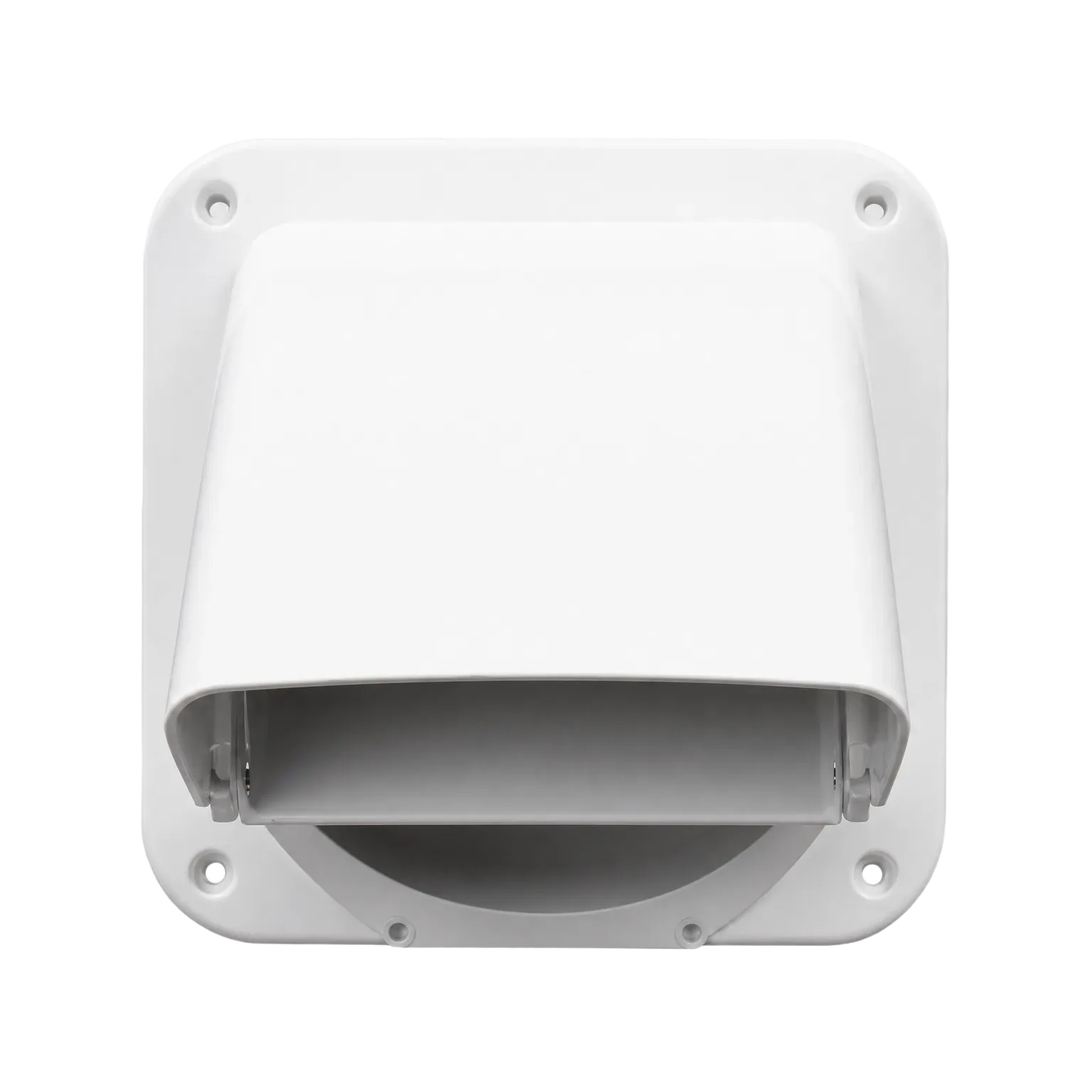
What are the signs of a clogged dryer vent?
Your clothes come out hotter than usual, or they take two cycles when one used to do it. Maybe you noticed the laundry room feels warmer than it should, or there's a burnt smell when the dryer runs. In a Blaine winter especially, a dryer that's working harder than it should costs you time and raises the risk of something going wrong. You're trying to figure out if it's the vent or the machine itself.
Clothes that stay hot or damp after a full cycle, and a vent hood flap that barely moves
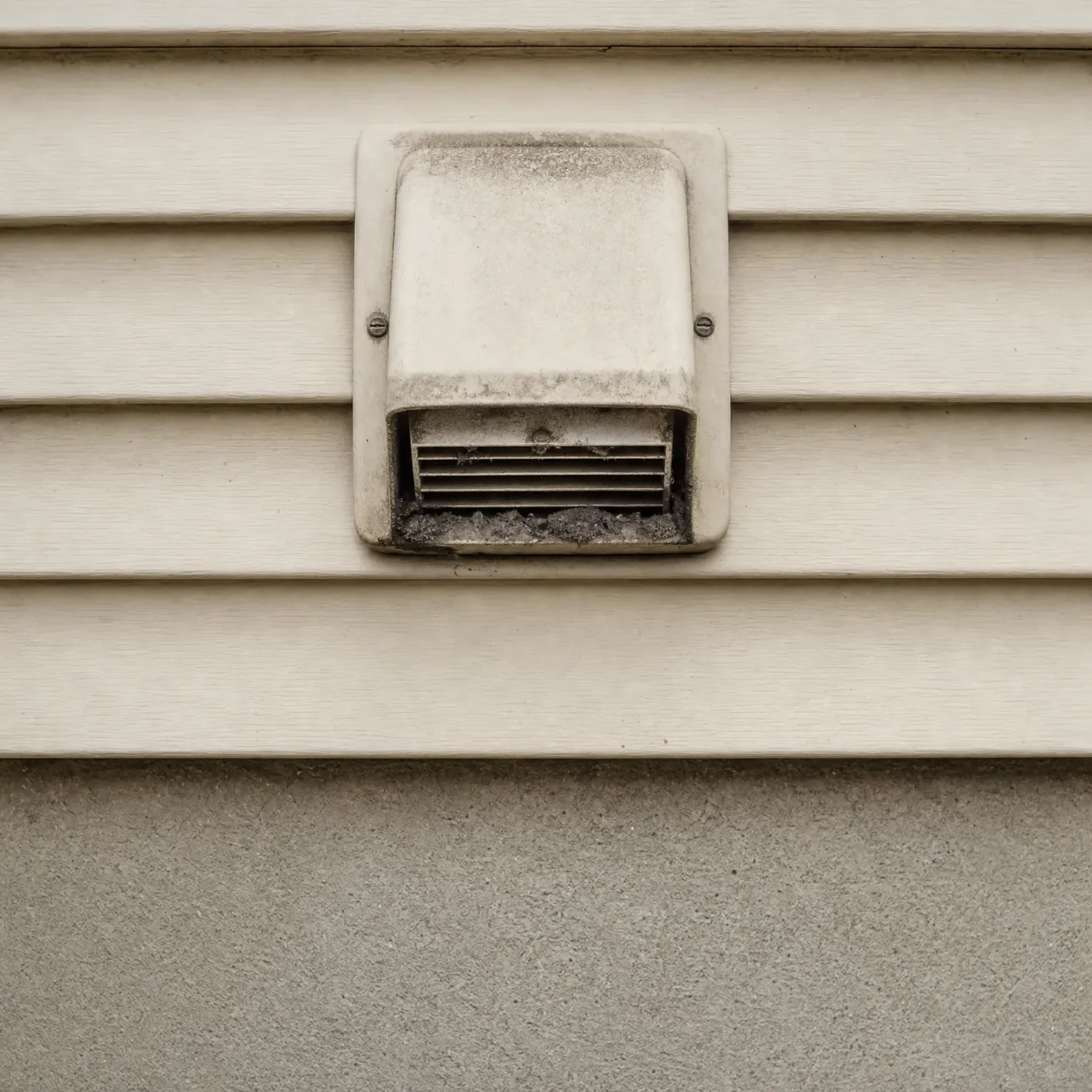
A clogged vent means the hot, damp air from your dryer has nowhere to go, so it backs up into the machine instead of venting outside. That shows up as clothes still warm to the touch after the cycle ends, a burning smell as lint bakes against the heating element, or the dryer running a second or third time to finish a load that should have taken one. Check the outside vent hood while the dryer runs. If the flap barely lifts or no air is coming out, lint has built up somewhere in the line. In Anoka County winters, a blocked vent also pushes warm, moist air back into the house, which can show up as extra condensation near the laundry room on cold days.




Why would a dryer vent in Blaine get clogged in the first place?
2.67 people per household on average
With 2.67 people per household on average in Anoka County, most homes here run a load of laundry nearly every day, so lint builds up in the vent fast.
Half the homes here were built by 1986
Half the homes in Anoka County were built in 1986 or earlier, and older vent setups tend to run longer or bendier paths that trap lint instead of pushing it outside.
Power here costs 15.48 cents per kilowatt-hour
Electricity here runs 15.48 cents per kilowatt-hour, and a dryer fighting a clogged vent pulls more power each cycle just to get clothes dry.
ACS 2020-2024 · EIA-861 2025

The vent is still working fine
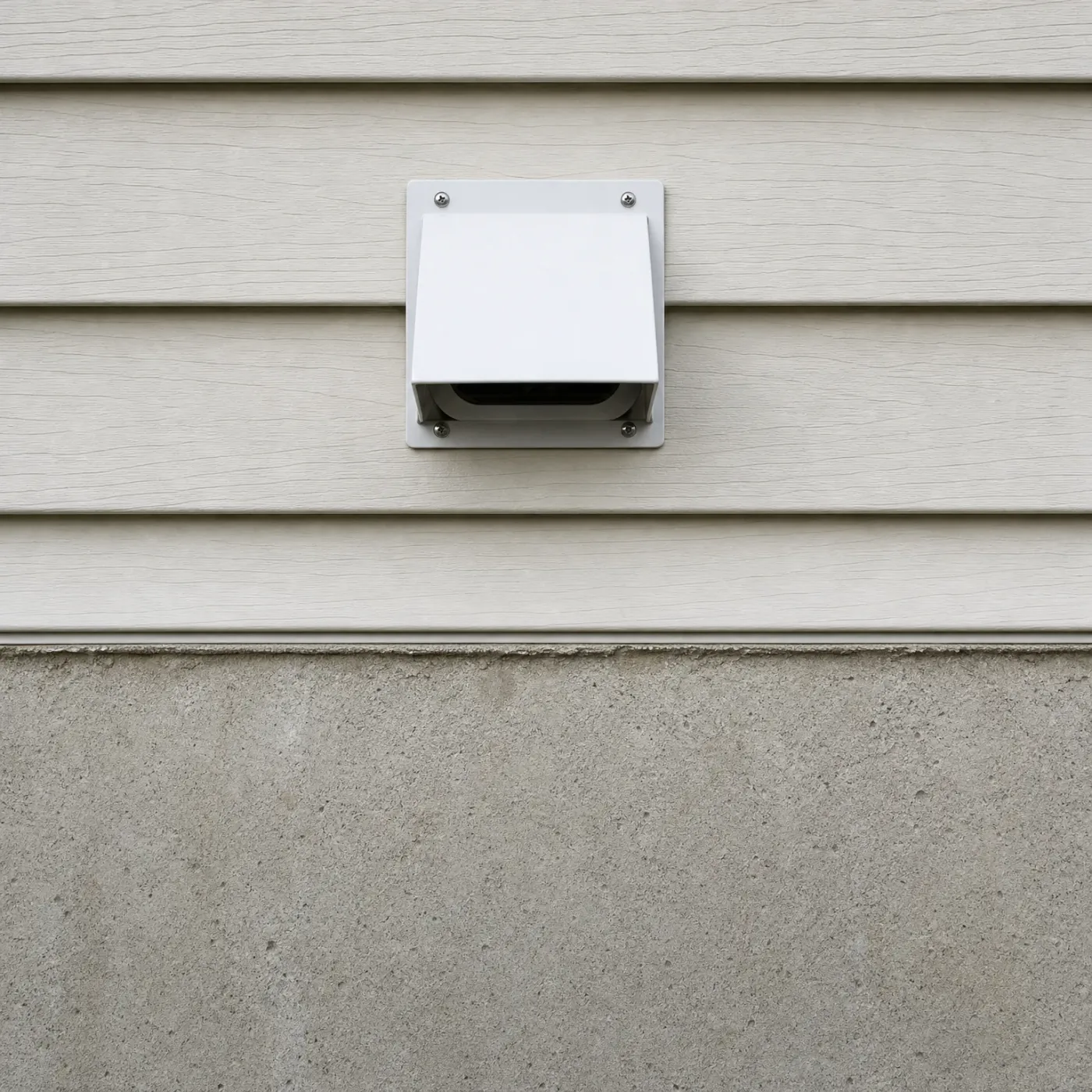
Clothes come out dry in one cycle, at the normal heat you expect. The air coming from the outside hood pushes out strong when the dryer runs, and the flap on that hood opens and moves freely. No lint collects around the outside vent cover between cleanings. The dryer itself runs quiet, without the louder, more strained sound a blocked vent can cause as the motor works against the buildup.

The vent is telling you something
Clothes stay damp after a full cycle, or come out hot to the touch even after the dryer shuts off. The outside hood barely moves air, or the flap stays shut when it should swing open. Lint collects around the hood or on the ground below it. The laundry room runs warmer than the rest of the house, and in a hard Minnesota winter, a blocked vent can also mean the moisture has somewhere else to go.
Clean It Yourself or Call It In
Clean it yourself
- A soft brush and a shop vac reach the first few feet of duct from inside the house, where lint usually sits thickest near the dryer.
- You can check the outside hood yourself, clear leaves or snow from around it, and watch the flap open when the dryer runs.
- Without a full set of rods or a professional vacuum, lint sitting past a bend or further down a long run stays put.
- If your vent run is short and mostly straight, a homeowner job may clear enough to get the dryer back to drying in one cycle.
- A missed section means the clog comes back in a few weeks, and you're back to pulling the dryer out again.
Call a contractor
- A contractor who services vents every week carries rods and a vacuum built to clear the full run, bends included, not just what's reachable by hand.
- Someone local who works on Blaine homes through the winter knows how snow and ice around the outside hood tend to make a partial clog worse.
- One call gets you one contractor, licensed and familiar with the duct runs common in this area, instead of several quotes to sort through.
- A full cleaning clears lint the whole length of the vent, including spots a shop vac from the dryer end never reaches.
- Booking it means you skip calling around, explaining the symptoms more than once, and guessing whether the job was done all the way through.

It's past eight on a weeknight and you're still down in the laundry room because the towels wouldn't dry. Second cycle, same result. You pull them out and they're warm but not dry, heavy in your arms, and the room smells faintly hot, like dust on a stove burner. Outside it's already dark, one of those long Anoka County winter evenings where the furnace has been running since four. You drape the towels over the top of the dryer in a damp heap, telling yourself you'll run them again after dinner, and head upstairs to find a contractor who can look at the vent before this becomes a load of laundry you run three times every night.
No calling every shop in Anoka County
A dryer vent that runs the full length of a Blaine house, especially through a basement or up through two floors, is hard to check end to end on your own. You can clear the first few feet and still have lint packed in a bend you can't reach, and the symptoms keep showing up. Finding someone to run a full line cleaning means calling around, describing the same problem more than once, and sorting through quotes from people you don't know. A local contractor who clears vents in this area all season has seen what usually catches lint in houses like yours, whether that's a long run, a few tight turns, or an outside hood that gets blocked by snow. One request here goes to that one contractor instead of several, so you're not fielding calls from companies you didn't choose. If the laundry room still feels warm and the towels still take two cycles, that's a dryer working harder than it should, and it's worth having someone look at the line before it costs you more than time.
How a Clogged Vent Actually Works
- Lint traps heat first, so a dryer that runs a normal cycle but still leaves clothes hot to the touch is pushing air against a partial blockage.
- The exhaust duct is built in straight sections joined at seams, and lint catches at every elbow or turn before it ever reaches the hood outside.
- A clogged vent makes the drum's thermostat cycle the heating element on and off more often, which is why some loads run long but still come out cool.
- Flexible foil or vinyl duct sags between the dryer and the wall, and lint settles in that low spot long before it reaches the outside hood.
- The outside hood's flap is a damper, and it should swing open only while the dryer runs and snap shut the moment it stops.
- A burning smell usually means lint sitting on or near the heating element itself, not just lint further down the duct.
A dryer doesn't dry with heat alone. It needs a steady column of air moving from the drum, through the duct, out the hood, and gone. Lint is what gets in the way of that air, and it doesn't build up evenly. It catches wherever the air has to change direction or slow down, which is why the places people never check are usually the worst. Every elbow in the duct is a spot where lint drops out of the airstream instead of riding it all the way outside. If the duct behind your dryer is the flexible foil or vinyl kind, it likely sags somewhere between the machine and the wall, and that low point collects lint the same way a sink trap collects hair. None of this shows up as a clog you can see from the laundry room. It shows up as behavior. The thermostat inside the dryer reads the air coming back at it, and when that air can't escape fast enough, the thermostat cuts the heating element on and off more than it should, so a load runs long and still comes out cool. If lint has worked its way back toward the element itself rather than sitting further down the line, you'll smell it burning before you see any other sign. And outside, the hood's flap is doing a simple job: open while the dryer runs, shut the second it stops. A flap that barely moves, or one that won't close, is often the first visible clue that the real blockage is somewhere you can't see from either end.
A clogged vent does not stay a laundry problem for long. The dryer keeps running hot air into a duct that cannot clear itself, so the heat has to go somewhere, and it builds up in the drum, in the duct, and around the connector behind the machine. That is how lint fires start, and it is why a dryer that takes three cycles to finish a load is not just wasting your evening, it is running hotter and longer than it was built to. You will feel it in the gas bill before you ever see smoke, since a blocked dryer burns more gas to do the same job, cycle after cycle. The belt and the heating element wear faster too, pushed against resistance they were not designed for. In a house with the laundry room off a bedroom hallway or tucked near the furnace, the margin for that extra heat is smaller than you might think. None of this announces itself the way a burst pipe does. It shows up as a slightly warmer room, a faint smell, a dryer that runs long, until one day it is more than that.
2.67 people per household on average
At close to three people in a house, the dryer's probably running most days of the week. That kind of use pushes lint through the duct fast, so the clogged signs above tend to show up sooner than you'd expect.
ACS 2020-2024

Lint leaves the drum and rides the airflow into the duct.
Lint catches first at the connector right behind the dryer.
More lint builds up at every elbow and turn in the duct.
Airflow slows as lint narrows the path to the outside.

You already know what a clogged vent looks like
Hot clothes, a second cycle, a hot smell in the laundry room, weak airflow at the outside hood. Any one of those is worth paying attention to, and if you've got two or three at once, the duct is restricted somewhere between the dryer and the outside wall.
Finding that somewhere is the part that's hard to do from a laundry room at eight at night. Instead of searching through contractors, calling a few, and explaining the same hot-clothes, two-cycle story to each one, you can hand it to one licensed Blaine contractor who clears these ducts all winter and already knows where the lint sits in a house built like yours.



Dryer Vent Cleaning
Explain it one time
A licensed pro who works in Anoka County gets your request.
