
HVAC Installation in Duluth, MN
Tell us about the house, and a licensed contractor who covers St. Louis County will get in touch.
Tell us about the job
It takes about a minute.
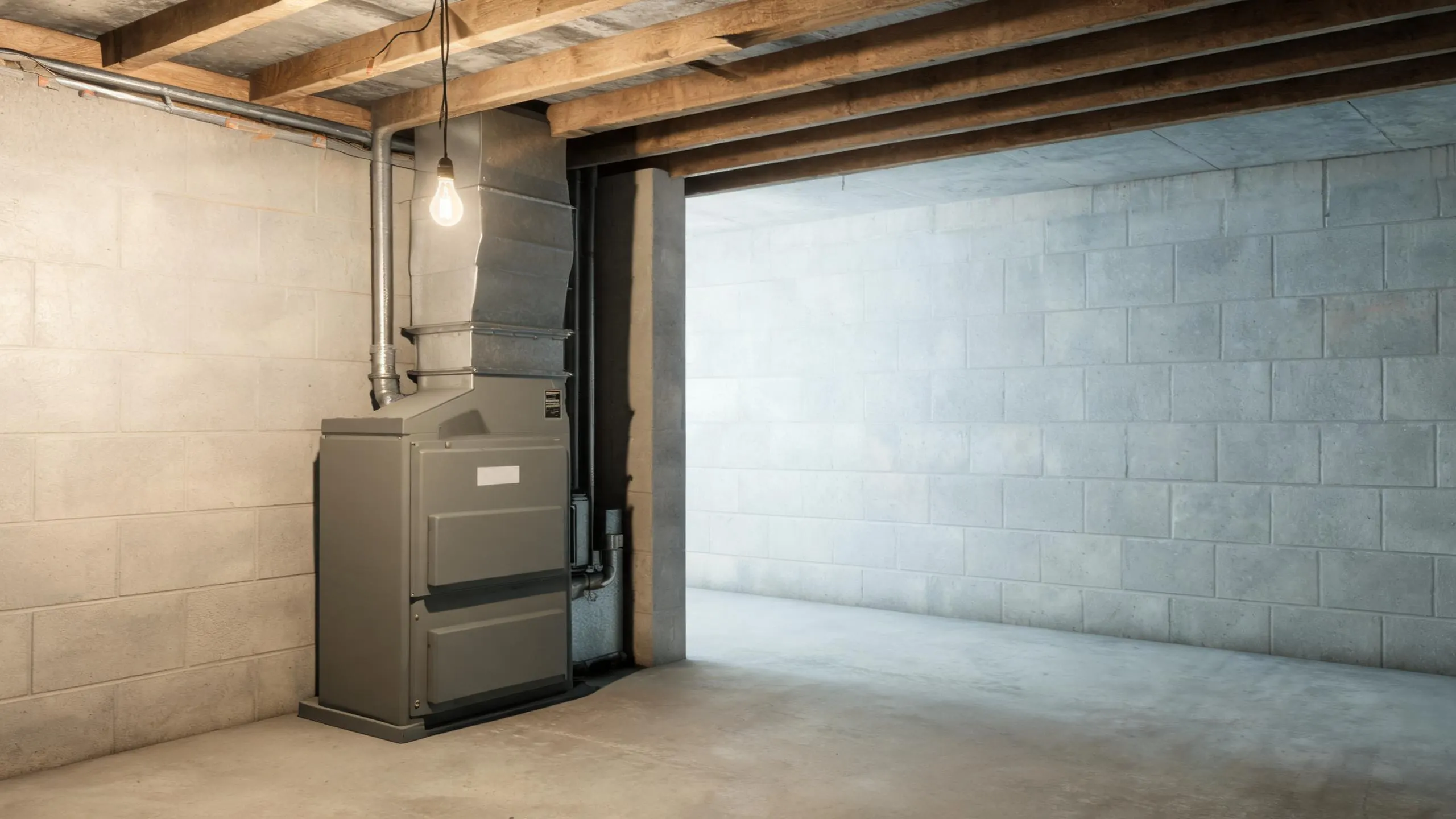
A Duluth furnace works nearly the whole year
Winter nights here average 1°F from December through February, and homes need heat from September through June. That's ten months of the year your furnace has to work, not just the coldest weeks. It needs to be sized and installed to run that long without giving out.
Summers stay mild, with afternoons averaging 76°F, so cooling asks little of a new system here. The real job is the winter side, and a system built for Duluth's cold has to handle it season after season.
- 10 months
- September through June, your system heats
- 1°F
- the average winter night it heats against
- 76°F
- the average summer afternoon it cools against
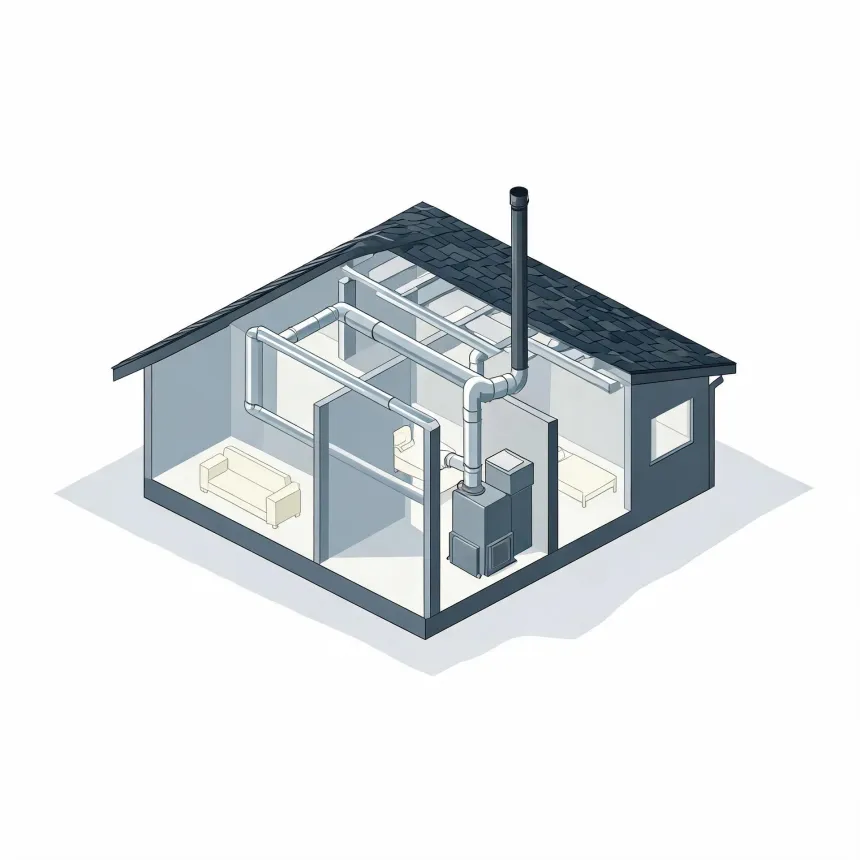
Minnesota has no state license for HVAC contractors.
There is no state record of who does this work in Minnesota, no test, no license number to check. The state leaves HVAC contracting alone entirely, so whatever protection exists here comes from somewhere else.
For a job like this, that somewhere else is the local building office. Replacing a furnace and air conditioner needs a permit in most Minnesota cities and counties, and an inspector checks the work once it is done. That inspection is what stands between you and a bad install, not a license, since the state does not issue one.
Source: Minnesota Office of the Revisor of Statutes
- When should I replace my HVAC system?
- Replace it when repairs get frequent, the system is old, or it can no longer keep up on the coldest nights. A furnace working hard every winter night at 1°F takes more wear than one running in a milder climate, so age matters more here than the calendar might suggest. If a contractor has already been out more than once this season for the same unit, that is usually the sign. Homes here need heat from September through June, so a furnace that struggles has little season left where it can just coast.
- Should I replace my furnace and air conditioner at the same time?
- If both are old, replacing them together usually makes sense, but it depends on the condition of each one. A furnace and air conditioner installed at the same time tend to wear out around the same time too, since they have run through the same number of winters and summers. Cooling barely runs here, with summer afternoons averaging only 76°F, so the air conditioner in this area often has less wear on it than the furnace next to it. A contractor can check both and tell you whether one still has years left.
- What happens during an HVAC installation?
- A contractor removes the old equipment, sets the new furnace or air conditioner in place, and connects it to the ducts, gas line or electrical circuit and venting it needs. Once it's running, they test it and check that it cycles correctly and reaches the right temperature. In most places, including here, this work needs a permit from the local building office and an inspection when it is done. Minnesota has no state license for HVAC contractors, so that permit and inspection are what confirm the work was done to code.