

One straight run
A dryer vent that goes straight out the wall with no turns clears itself better and traps less lint, so this problem builds slower and you'll notice it less often.
Get matched with a pro who works on dryer vents in Hennepin County.
Get matchedA dryer that takes two or three cycles to dry a load, runs hot to the touch, or leaves clothes smelling like they sat too long usually has a blocked vent. Air has nowhere to go, so moisture stays in the drum and the motor works harder to push it out. Check the outside hood while the dryer runs. If the flap barely moves or you feel only weak airflow, the vent is restricted somewhere between the hood and the machine. Lint buildup causes most of this, and it tends to collect at bends, long runs, and the point where the duct meets the outside wall. Minneapolis winters add another layer: a vent that's half blocked in October can freeze shut by January as moisture condenses in the duct, so a dryer that worked fine in fall may stop venting altogether once it gets cold. A burning smell or a dryer that shuts off mid-cycle means heat is building up with no way out, and that's worth addressing quickly rather than running another load.
2.3 people per household on average
A household of 2.3 people runs enough loads a week that lint builds up steadily, and a vent nobody checks keeps narrowing until the dryer can't push air through it.
Half the homes here were built by 1973
Half the homes in Hennepin County went up in 1973 or earlier, old enough that the vent run may still be the original setup, longer or less direct than what's built today.
Power here costs 16.88 cents per kilowatt-hour
At 16.88 cents per kilowatt-hour, a dryer fighting a clogged vent to finish a load costs you more every time you run it than a clear one would.
ACS 2020-2024 · EIA-861 2025
The lint trap only catches what passes through it. The rest rides the airstream down the duct and settles wherever the air slows down, which is almost always at a bend. A vent that runs straight out the back wall stays clear longer than one that has to turn twice to reach the outside, because every turn gives lint a place to catch and build. That buildup narrows the duct from the inside, so the dryer has to push harder to move the same amount of air, and that's what shows up as longer dry times and a hot dryer. The hood on the outside wall has a flap that's supposed to swing open with the airflow. Go out and watch it while the dryer runs. If it barely moves or stays shut, air isn't getting through. The duct material matters too. Rigid metal holds a smooth inside surface that gives lint less to grab onto, while the coiled foil or plastic duct used in older installs has ridges that catch lint at every ring. If you ever smell something burning rather than just warm, that's different from a slow vent. It means lint has worked its way back to the heating element itself, not just the trap or the duct run. And if laundry comes out cooler than it should, check the duct connections for gaps. Warm air can be leaking out before it ever reaches outside.
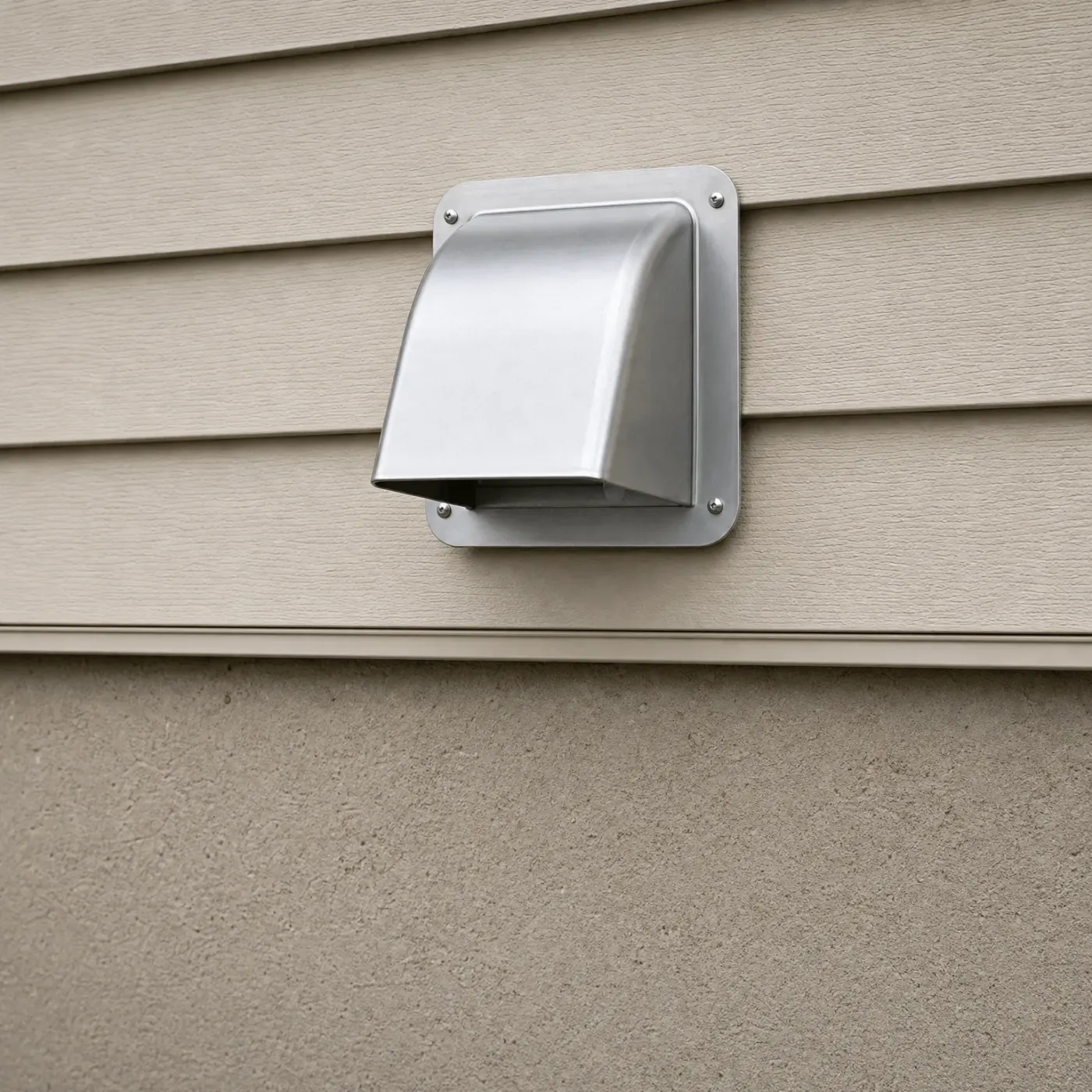
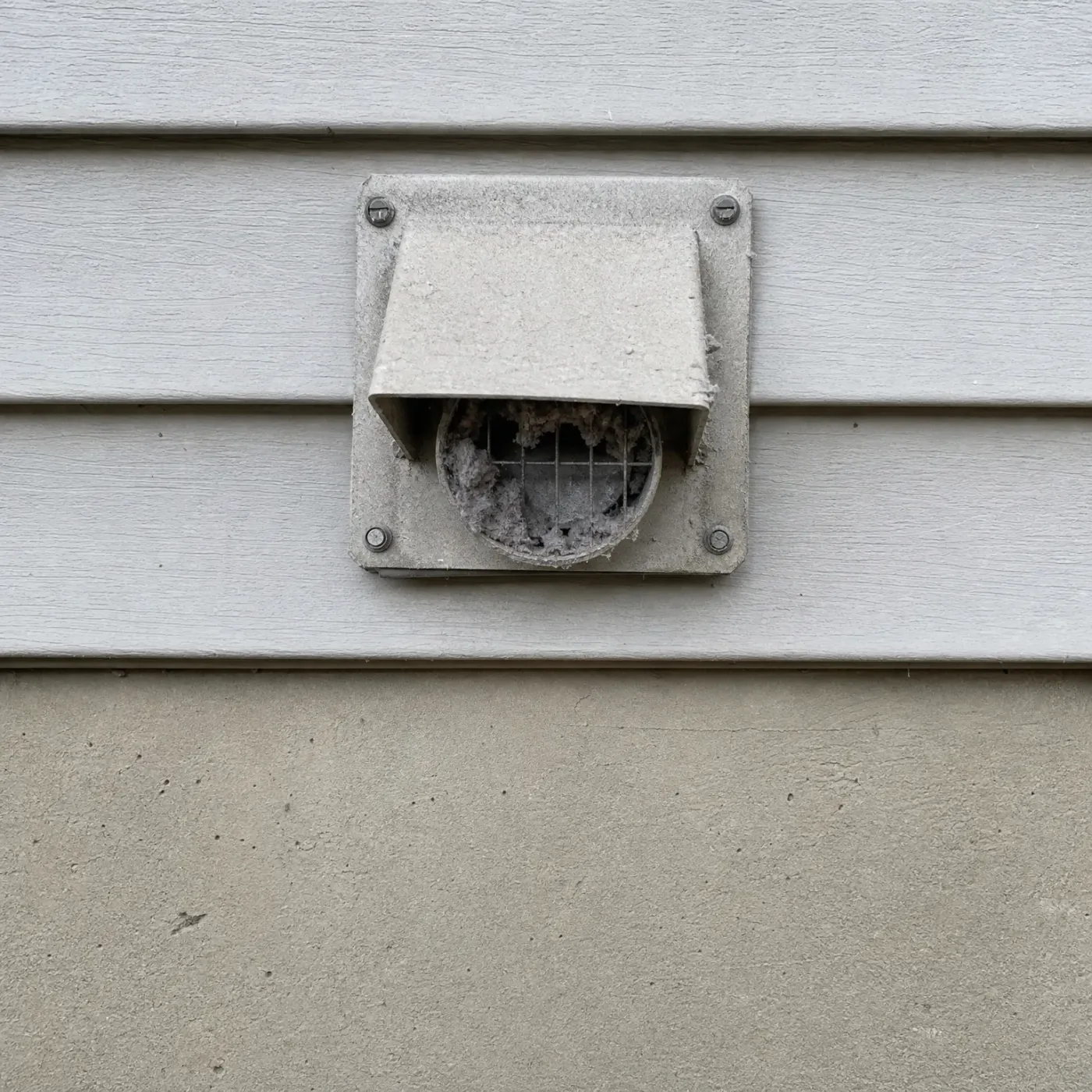

It's a Tuesday evening and the towels have been through the dryer twice. You pull the door open and they're still heavy and damp, warm in a way that feels off, not dried-warm. The laundry room smells faint and musty, like the air in there never really moves. You pile the towels back on top of the dryer, start a third cycle, and head back upstairs. Outside, past the kitchen window, the night has gone that early-dark kind of cold that settles over Hennepin County once fall turns, and somewhere on the other side of that wall, the vent hood sits packed tighter than it was last winter.
Send the request and finding a pro stops being your problem.
It costs nothing to send, and you don't have to hire anyone.
A clogged vent doesn't just slow drying. It makes the dryer run hotter than it should, and that heat has nowhere to go but back into the drum and the duct.
That's why a vent problem shows up as a scorched smell or a hot metal cabinet before it ever shows up as a utility bill you'd notice.




A vent brush kit reaches most straight runs from the dryer to the outside wall. Disconnect the dryer, run the brush through the duct from both ends, and vacuum out what comes loose. Check the outside hood while you're at it and clear any lint caught in the flap. This works if the run is short and fairly straight, and if you're willing to pull the dryer out and get on the floor behind it. It won't reach lint packed into an elbow partway through a long run, and it won't tell you if the duct itself is crushed or disconnected somewhere inside the wall.
A vent that runs through two or three turns before it reaches outside hides lint in those bends no brush from either end will reach. The same is true if the dryer sits on an interior wall, far from where the duct exits the house. A contractor brings a longer rod and a camera to find out where the duct is actually blocked instead of guessing from one end. If you've already run a brush through and the dryer still runs hot or takes extra cycles, the clog is probably somewhere a homeowner's kit can't get to.


A dryer vent that goes straight out the wall with no turns clears itself better and traps less lint, so this problem builds slower and you'll notice it less often.
Every elbow in the run is a spot lint can catch and build up, so a vent with a few turns clogs sooner and needs checking more often.
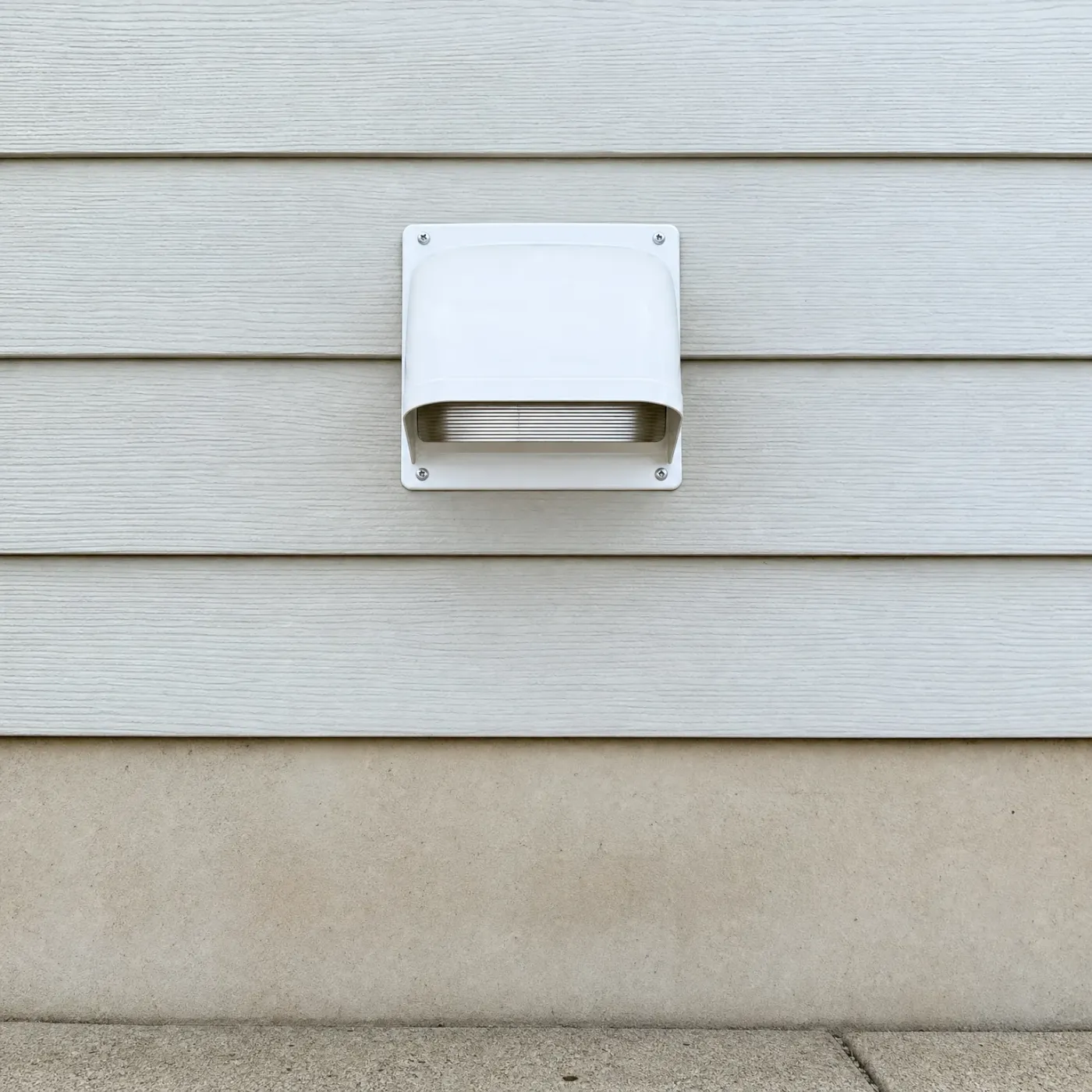
The cap sits flush against the siding and the louvers hang open. Air pushes the flap out every time the dryer runs, and lint doesn't collect around the screws or the edge of the hood.
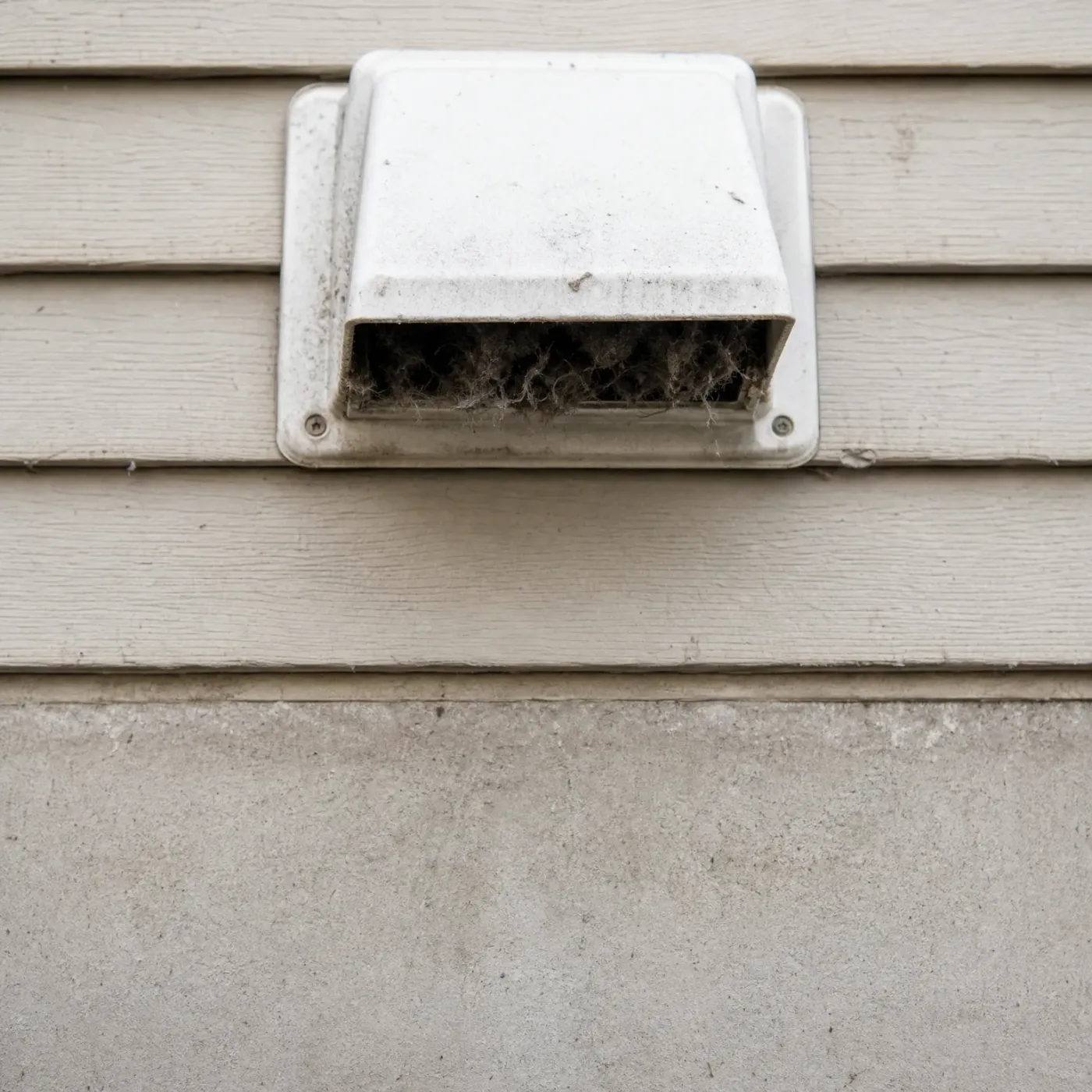
Gray lint has built up across the whole opening, thick enough to block the louvers from moving. Air from the dryer can't get past it, so it backs up through the duct instead of venting outside.
With 2.3 people in the average Hennepin County household, that's a steady run of laundry loads most weeks, not an occasional one. Each load sends more lint into the duct, so the vent narrows a little at a time until the dryer can't push air through it anymore.
ACS 2020-2024

Clothes can come out dry and the vent can still be half blocked. A strong dryer motor or a shorter load will push air through a narrowing duct for a while before you notice anything wrong. The only way to know for sure is to look. Pull the dryer out, disconnect the duct, and check for lint packed in the elbows and along the run. If it's been more than a year since anyone looked, it's worth fifteen minutes.

A burning smell, a dryer that shuts off mid-cycle, or a vent run longer than normal with turns you can't reach are past what a brush kit handles. Lint that's caked on instead of loose, or a hood flap that won't open even after you've cleared the screen, points to a blockage further down the line. A contractor has the equipment to clear the full run and check that the vent is moving air the way it should once the dryer runs again.

If your towels come out damp twice in a row, the dryer runs hot, or the vent hood outside sits packed with lint, the vent is blocked and the dryer is working against it. That's the whole answer. Clear the duct and the hood, and the dryer goes back to doing what it's supposed to do in one cycle instead of three.
Checking it yourself tells you where things stand, but if the buildup is deep in the run or past an elbow you can't reach, that's a job for someone who clears vents for a living. Send in the form and a contractor who works on vents like yours in Hennepin County will reach out to you directly. From there, it's off your plate.


Get your dryer vent to the right pro