





Why your dryer takes so long to dry in Minnesota

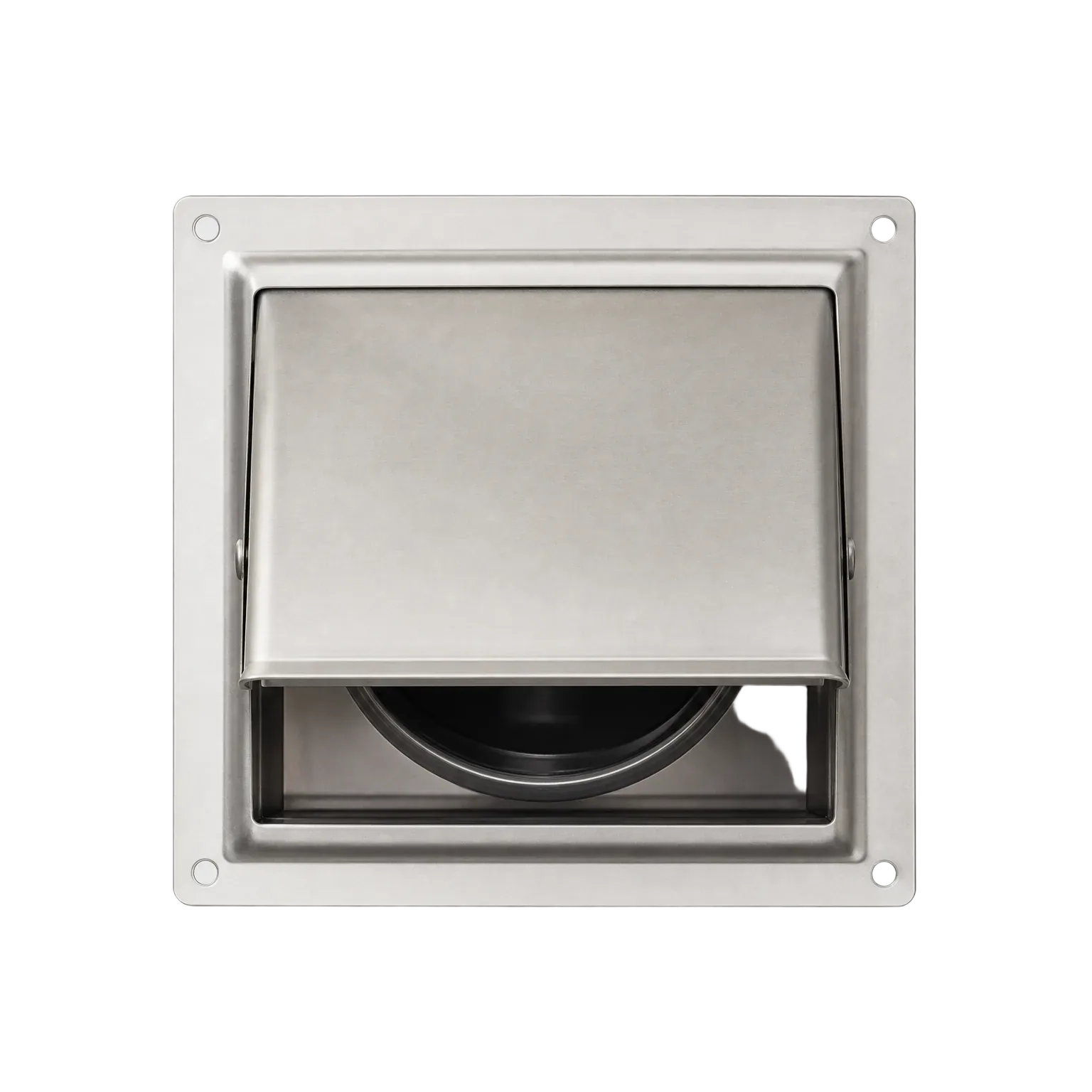
A square stainless steel wall vent with four corner screw holes and a hinged flap cover, partly open to reveal a dark circular duct opening, shown against a plain light gray background.
Get my match

A dryer that runs two or three cycles to get clothes dry almost always has a vent problem, not a dryer problem. Every load pushes warm, damp air down the vent line to the outside, and lint builds up along the way, narrowing the path that air has to take. Once the line is partly blocked, the dryer still heats, but the moisture has nowhere to go, so it sits in the drum and clothes come out warm and damp instead of dry. In Minnesota homes this gets worse the longer a vent runs without attention, especially in houses where the vent travels a long way through walls or up through the roof before reaching outside air. A dryer fighting a clogged vent also runs hotter and longer than it should, which wears on the heating element and the belt. If your drying times have crept up over the past several months, the vent line is the place to look before anything else.

A white hooded exterior vent cover with a mesh screen mounted on gray lap siding above a concrete foundation.
A clear vent lets the hood's flap snap open and shut with each load, pushing moist air outside fast.
A white plastic hooded dryer vent mounted on beige lap siding, with gray lint clogging its louvered opening and hanging below it.
A clogged hood traps lint at the opening, so damp air backs up and clothes take longer to dry.

A dryer pushes warm, wet air out through the vent with every load. Lint rides along with that air, and not all of it stops at the trap. Some sticks to the inside of the vent line, building up fastest at elbows and joints where air has to turn. The longer the run, or the more bends it has, the more places lint has to catch. As that buildup narrows the path, the blower, sized for a clear vent, starts moving less air each cycle even though it's working the same as always. Moisture that can't escape fast enough condenses inside the line, and wet lint packs down tighter than dry lint. If airflow drops low enough, the thermal fuse or high-limit switch cuts the heat entirely, leaving you with a dryer that tumbles but never gets warm. Outside, the hood's flap depends on a clean hinge to seal between loads. Lint caught there can hold it open, which gives pests a way in and lets air backdraft into the line.

What's Actually Slowing Your Dryer

  • Every dryer has a thermal fuse or high-limit switch that cuts heat when airflow drops too low, so a clogged vent can leave you with a dryer that only tumbles cold.
  • Lint doesn't stop at the trap: a portion rides the airstream past it and sticks to the inside of the vent line, especially at joints and turns.
  • Long vent runs or ones with several elbows trap more lint than a short, straight shot to the wall, since air slows down at every bend.
  • A dryer's blower is sized to push air through a clean vent; once lint narrows the path, the same blower moves far less air per cycle.
  • Moisture that can't escape fast enough condenses inside the vent line, and that damp lint packs down harder than dry lint would.
  • The exhaust hood's flap is supposed to seal shut between cycles, but lint caught in the hinge lets it hang open and invite pests or backdraft.
An older man with gray hair and a beard stands in a dimly lit entryway wearing a dark hooded coat dusted with snow, with a lit table lamp, framed picture, and front door with glass panels behind him.
An older man with gray hair and a beard, wearing a dark snow-dusted jacket and scarf, stands smiling in a dimly lit entry hall with a lamp, wooden front door and staircase behind him.
A gray-haired bearded man in a dark coat with snow flecks on the shoulders stands just inside a dimly lit home entryway, with a lamp, framed pictures, sofa and candle-style lights in the background.
An older man with gray hair and a beard, wearing a dark coat and scarf dusted with snow, stands in a warmly lit home entryway with an arched doorway, lamps, and a living room visible behind him.

Get the right pro for your dryer vent

A long dry time in a Minnesota home usually comes down to that vent line, and checking it yourself means getting behind the dryer, disconnecting the duct, and working a brush through feet of pipe to the outside wall, then doing it again at the hood. Most people don't own the brush kit for it, and guessing at how far the clog runs wastes a Saturday. Finding someone to do it properly means calling around, explaining the same problem to each one, and weighing quotes that are hard to compare without seeing the vent yourself. Gas dryers here push a lot of moisture through that line every time they run, and a narrowed vent makes the dryer work harder for the same load, cycle after cycle, all year. Handing this off means someone who does this work looks at your setup and reaches out to you directly, so the only thing left for you to do is answer the phone and get your dryer back to drying in one cycle.

Winter makes a clogged vent worse

Minnesota dryers work harder once the furnace is running and the house air is dry and cold. A dryer has to push warm, moist air through the vent against outside temperatures well below freezing, and a line that's already narrowed by lint has less room to move that air before it cools and the moisture drops out of it. That slows a load that would clear a clean vent in one cycle. Gas dryers add their own byproduct, since burning gas puts off moisture too, so a restricted vent has even more to carry outside before the drum full of clothes is actually dry.


A full cycle wastes more than time

A dryer running a second or third cycle to finish a load is pulling power the whole time, whether that's the heating element or, in a gas dryer, the igniter and blower motor cycling again and again. None of that extra runtime makes the vent any clearer. It just adds to the bill month after month while the actual problem, the lint sitting in the line, stays exactly where it was. Clearing the vent is the only thing that changes how many cycles a load needs.

Power costs 15.83 cents per kilowatt-hour statewide

At 15.83 cents a kilowatt-hour, every extra cycle your dryer runs to finish a load is money spent twice over. A vent that's moving air freely gets clothes dry in one pass instead of two or three, so the fix shows up directly on your power bill.

EIA-861 2025 statewide residential average

A white hooded dryer vent with a louvered opening mounted on light gray horizontal lap siding above a concrete foundation.

Vent clear and working

The cap sits flush against the siding and the louvers hang open enough to show daylight behind them. Air pushes the flap out with force when the dryer kicks on. Nothing crusts around the opening, and a load finishes in one cycle.

A white plastic hood-style dryer vent mounted on beige horizontal siding, with its opening clogged by thick gray lint.

Vent clogged with lint

Lint has packed into the louvers until the opening is nearly sealed, and gray buildup coats the cap and the siding around it. The flap barely moves because there's so little air behind it. Clothes come out of the dryer still damp, cycle after cycle.

A woman stands in the open black front door of a white-sided house with a dark shingled roof while a man in a navy jacket approaches along the walkway, with lantern wall lights, a potted shrub, and flowering garden beds nearby.

A slow dryer is a vent problem, not a dryer problem

If your dryer needs two or three cycles to finish a load, the cause is almost always lint sitting somewhere between the drum and the outside wall. That's true whether it's July or January, and in Minnesota the cold months make a partly blocked line work even harder. Clear the path and the dryer goes back to drying clothes in one pass.

Finding that out on your own means pulling the dryer out, taking the duct apart, running a brush through the line, then checking the hood outside too. Skip that part. Answer a few questions about your setup and get matched with a contractor who works on vents like yours, and they'll reach out to you directly to sort out what your dryer actually needs.

A large weathered ceramic vase and a shallow wooden bowl sit on a rustic wooden table beside a window with linen curtains, with a blurred sofa with cushions and a hanging fabric panel in the background.
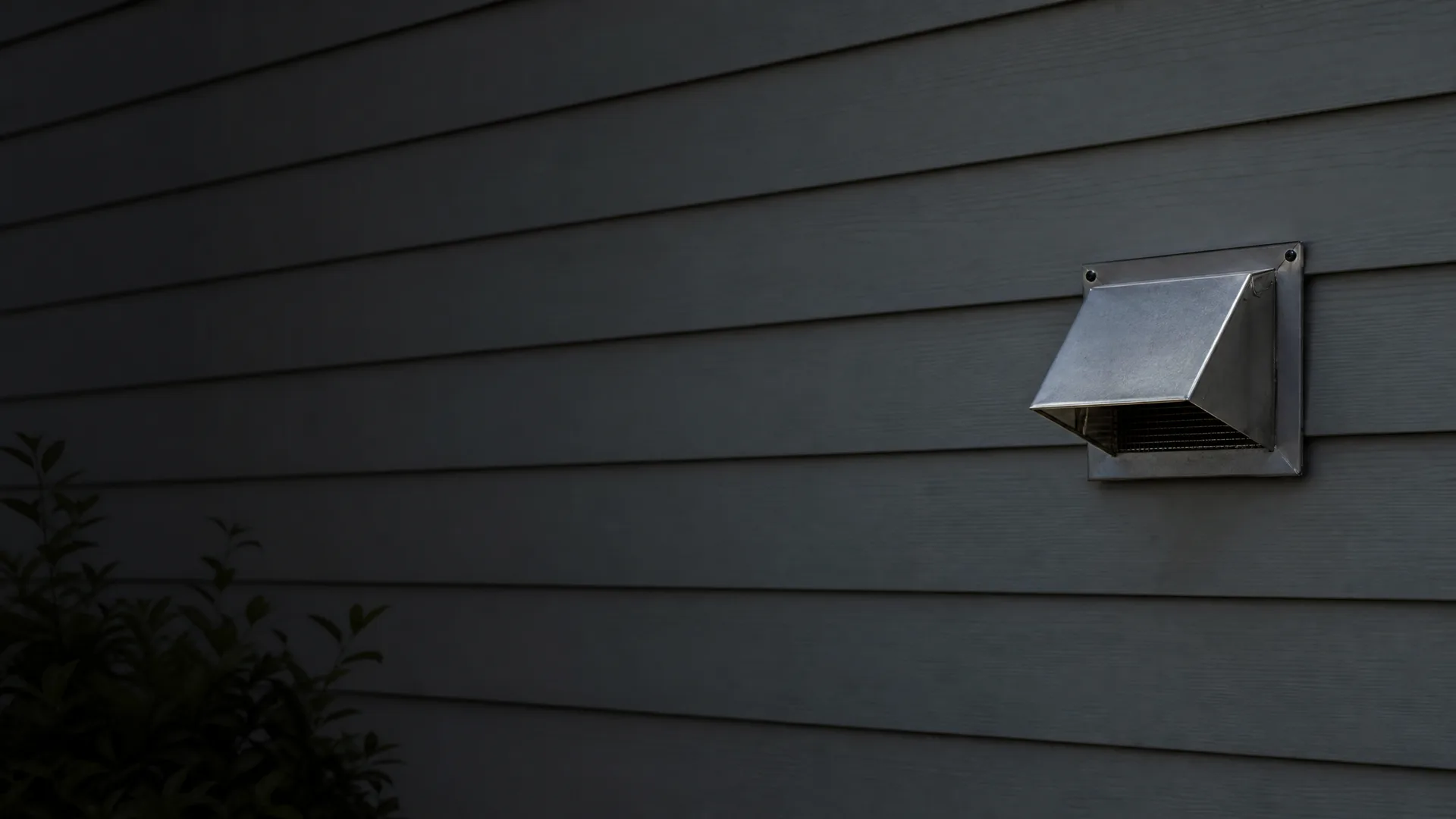
A metal hooded dryer vent with a louvered opening mounted on dark gray horizontal lap siding, with leafy shrub foliage in the lower left corner.

A pro who works on dryer vents

Answer a few questions instead of calling shop after shop.

Duct and vent cleaningMinnesota
Step 1 of 3

What kind of equipment?