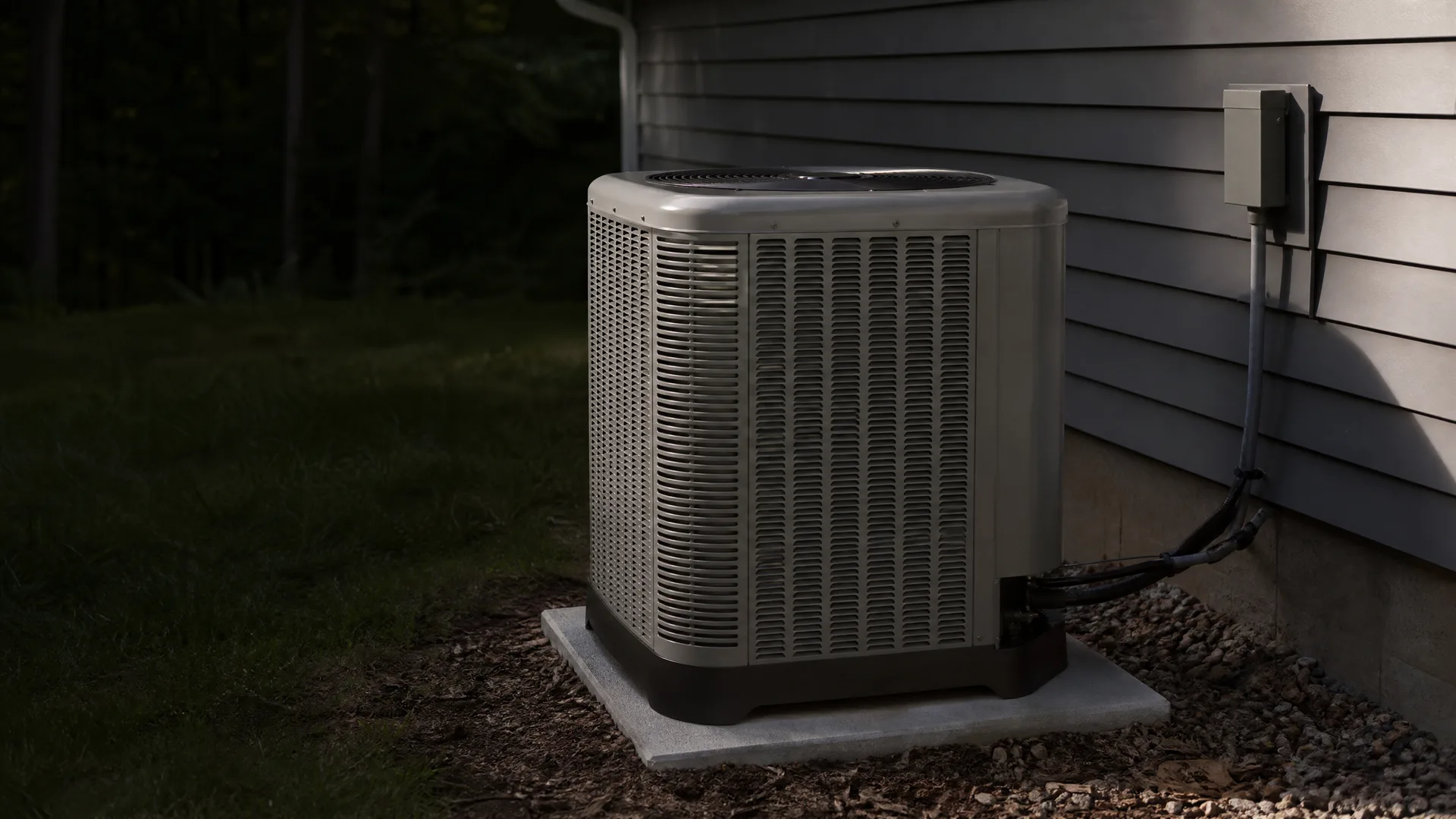
A local pro who services air conditioners gets in touch about the tune-up.
Dust coming out of your vents usually means air is moving through your ductwork or your filter slot where it shouldn't. A filter that doesn't seat right, a gap in the return duct, or a filter you've been meaning to swap can all do it. In a lot of Minnesota homes the furnace and the AC share the same blower and ducts, so dust from a leaky return in January can still be showing up on your furniture in July.
Figuring out which one it is means getting eyes on the filter, the cabinet, and the duct runs you can reach. That's a few hours of someone's time, not a guess over the phone.
Most homeowners don't want to spend a Saturday calling around to find out who even works on this in their area, then explaining the same thing to four different people, then trying to tell from four different quotes who actually knows what they're looking at versus who's just reading off a checklist. That part is the slow part, not the actual work.
Answer a few questions about what your system is doing and where you are in Minnesota, and you get matched with a contractor who handles this kind of maintenance call and already knows what you've described. They reach out to you directly. No cold calls on your end, no re-explaining the dust problem from scratch to a second or third company, no trying to compare estimates that are measuring different things.
Your AC runs through a mild Minnesota summer, your furnace carries the long winter, and whatever is letting dust through doesn't care which season it is. Getting the right person looking at the actual ducts and filter in your house is what settles it. The button below starts that match.
Why is my AC blowing dust into my house?
You've noticed dust settling on furniture or showing up near the vents again right after cleaning, and it only seems to happen when the AC is running. You want to know if that's normal or a sign something in the system needs attention before it turns into a bigger repair.
A dirty or loose filter is the most common cause
When the filter isn't sealed tight against its frame, air finds the easiest path, which is around the filter instead of through it. That unfiltered air picks up dust sitting in the ductwork and pushes it straight into your rooms. A filter that's clogged does the same thing from the other direction, forcing enough air around its edges that filtering barely happens at all. Minnesota homes that run the AC against warm, dry stretches in July and August pull a lot of air through that filter slot, so a loose fit or a filter overdue for a change shows up fast as dust on the furniture. Checking the filter's fit and swapping it on a regular schedule stops most of this before it starts.
Minnesota summers don't carry the heavy air you get further south. Average dew point across June, July and August runs about 59°F, based on NOAA climate data for the state, so the air itself usually feels dry even on warm days. That matters for dust because a system that isn't fighting constant moisture doesn't run as long or as often, which means fewer hours of air pulling through whatever gap or loose seal is letting dust in. If you're still seeing dust with a dry summer working in your favor, the leak is probably worth a closer look rather than a filter swap. A maintenance visit checks the filter fit and the duct seals directly, which saves you from calling around to find someone who can look at both.
A dirty filter or a gap in the ductwork won't fix itself by running the AC less or swapping filters more often. If the dust keeps coming back after cleaning, something upstream of the filter is letting it through, a loose panel, a disconnected return, a filter slot that's the wrong size for what's installed. Figuring out which one takes someone actually looking at your ducts and your unit, not another guess. You could spend an afternoon calling around Minnesota HVAC companies, explaining the same thing four or five times, then sitting with a pile of quotes trying to tell which one is worth trusting. Or you could skip that part. Maintenance won't just clean what's dirty now, it gets eyes on the parts of your system that let dust in to begin with, so you're not back here next summer wondering the same thing. That's worth more than saving yourself a phone call.
The filter itself is the problem
Check the size stamped on the frame against what's actually in the slot. A filter that's a quarter inch too small leaves a gap around the edges, and air takes the easy path around it instead of through it. Even the right size filter sags or lets air slip past if the slot it sits in is bent or worn. If you pull the filter and daylight shows around the edges when you hold it up to the return, that gap is where your dust is coming from, not from the filter being dirty.
Something upstream is the problem
If the filter fits tight and the dust still comes back, look past it to the ductwork itself. A return duct joint that's worked loose, a panel on the air handler that doesn't seal, or a section of duct running through an unconditioned space can all pull in dust before the air ever reaches the filter. None of that shows up by looking at the filter alone. It usually takes someone opening up the return and checking the joints and panels by hand to find where the air is actually getting in.
Your duct system only works if air moves through it the way it was designed to. The return side runs at lower pressure than the space around it, so it pulls air from wherever it can reach, including an attic or crawlspace if a seam has opened up there. A blower set too high for what your ducts can handle makes that pull stronger everywhere there's a weak spot. Flex duct that's gotten kinked behind a joist narrows the path, so the air moving through speeds up and carries more dust out the vent with it. If your supply vents sit far from the return, the system has to pull harder across the house to balance, and it finds whatever gap is easiest. Even the filter slot itself can work against you if it was cut a little large for the frame, leaving a channel the air uses instead of the filter. Closing vents in rooms you're not cooling raises pressure in the rest of the house and pushes more air through whatever small gaps are already there.
How the duct system pulls in dust
Your return duct runs at a lower pressure than the room around it, so any gap in that duct pulls in air from wherever it runs, including an attic or a crawlspace.
A blower motor that's set too high for your ductwork moves more air than the return can pull cleanly, which raises the static pressure and pulls harder on every loose seam.
Flex duct that's kinked or crushed behind a joist narrows the path air takes, so dust already in the line moves faster through the remaining gap and out the vent.
Supply vents on the opposite side of the house from the return create a pressure imbalance that pulls air, and the dust in it, through whatever opening is easiest.
A filter slot cut slightly oversized for the filter frame leaves a channel on one side that air finds and uses instead of passing through the media.
Closing off too many supply vents to direct cooling to one room raises the pressure in the rest of the system and forces more air through small gaps elsewhere.
Filter seated right, panels closed, nothing pulling dusty air in from outside the duct.
Dirt built up on the coil and cabinet like this often lines up with gaps letting unfiltered air through.
Power costs 15.83 cents per kilowatt-hour statewide
At 15.83 cents per kilowatt-hour, a blower pulling extra air through a gap or an undersized filter costs you something every hour the AC runs. It's also working harder than it should, since air sneaking around the filter instead of through it makes the system move more air to cool the same room.
EIA-861 2025 statewide residential average
System sealed and filtering right
This is what a properly sealed setup looks like: cabinet closed, filter seated flush, nothing bypassing it. Air coming through the vents has already passed through the filter, so what lands on your furniture is whatever got past a clean filter, which isn't much.
Dust finding a way around the filter
Same kind of condenser, same kind of pad against the house, but the dust problem isn't out here. It's a sign something upstream, a loose filter panel or a gap in the return, is letting room or attic air reach the ducts without ever going through the filter.
Dust blowing out of your vents comes down to air finding a way around the filter instead of through it, whether that's a gap at the frame, a loose panel, or a disconnected return. Fixing it means someone actually opening up the system and tracing where the air is getting in, not just swapping the filter again and hoping. You could spend your afternoon calling around Minnesota for a contractor who services your kind of system, explaining the same dust problem to each one, then sitting with a stack of quotes trying to figure out who's worth the call back. Or you could skip all of that and get matched with someone who already knows what you're dealing with, who reaches out to you instead of the other way around. The dust itself won't stop until the gap is sealed and the filter seats the way it should. That part takes a real inspection. What doesn't have to take as long is finding someone qualified to do it.