
Minnesota HVAC Pros
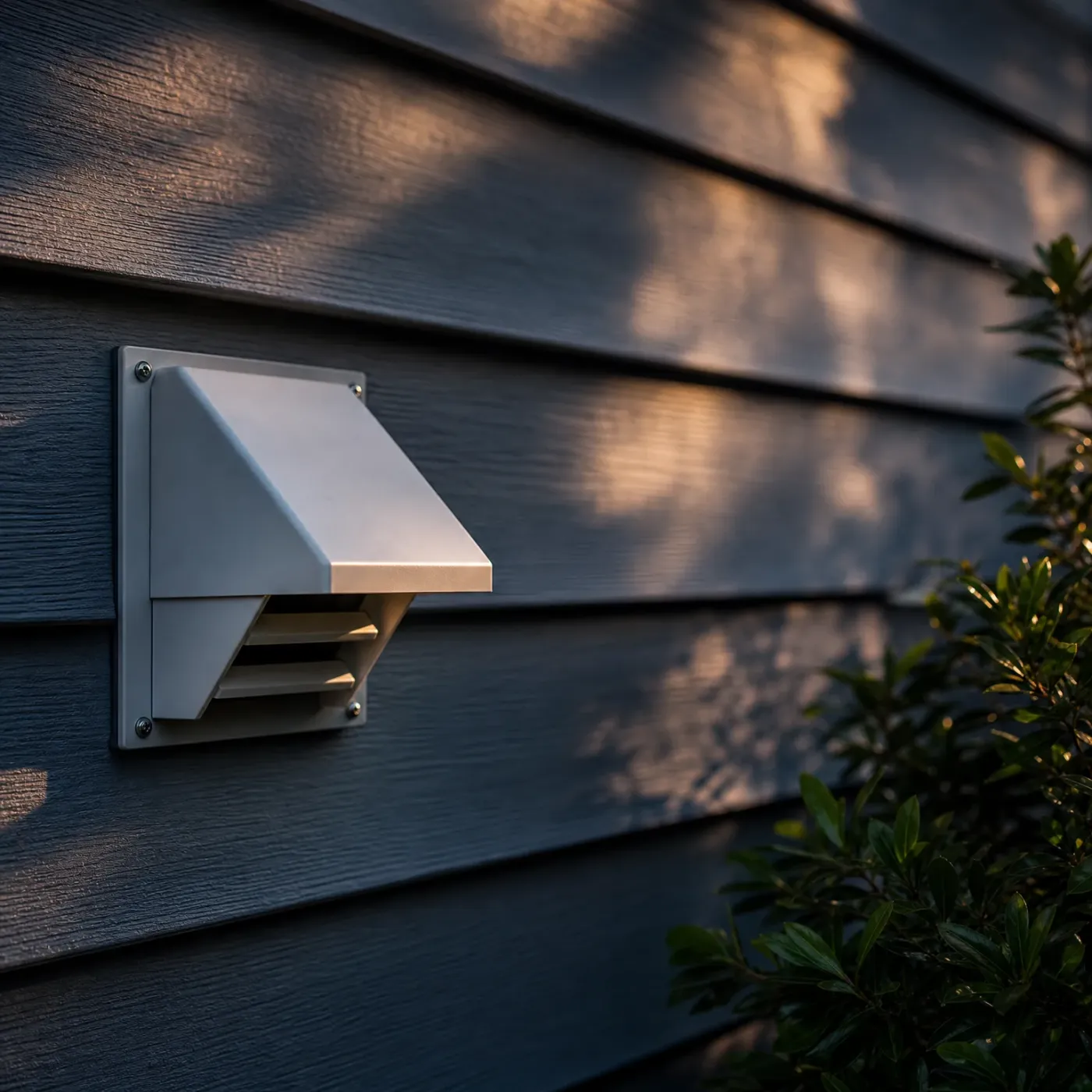
A white hooded louvered vent cover mounted on dark gray horizontal lap siding, with dappled late-day light and shadows across the wall and a leafy shrub at the right edge.

Send one request and you're done looking

Why your laundry room gets so hot in Minnesota

A hot laundry room usually comes down to lint. If your dryer vent is clogged, the hot moist air it's supposed to push outside backs up into the room instead. This page gets into why that happens and what it does to the room and the dryer. Once you send the request, you can stop chasing down who to call.

Let a pro reach out

A dryer sends hot, damp air through the vent to the outside every time it runs. If the vent or the duct behind it is packed with lint, that air has nowhere to go, so it pushes back into the laundry room instead. You feel it as heat and dampness that doesn't clear even after the load is done. A clogged vent also makes the dryer run longer to dry the same load, since it's fighting its own exhaust, and that longer run time is what's heating the room. In Minnesota this gets worse in winter, when the laundry room is already closed up tight and that hot air has nowhere to escape to. The fix isn't the dryer. It's clearing the vent so the air it pushes out actually leaves the house.

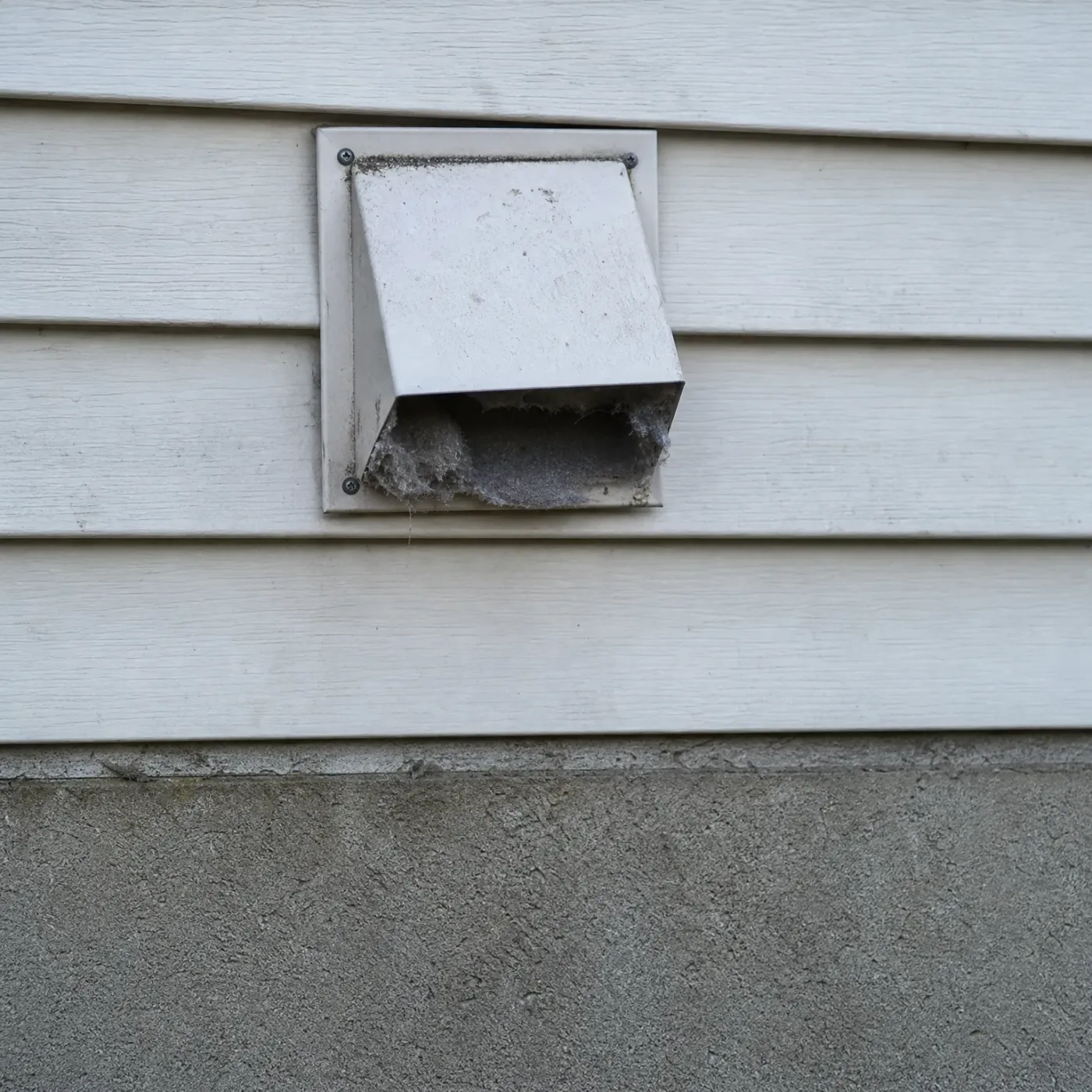
A white plastic hooded dryer vent screwed into light gray horizontal lap siding above a concrete foundation wall, with lint and dirt visible inside the vent opening.
Before you get your dryer vent cleaning
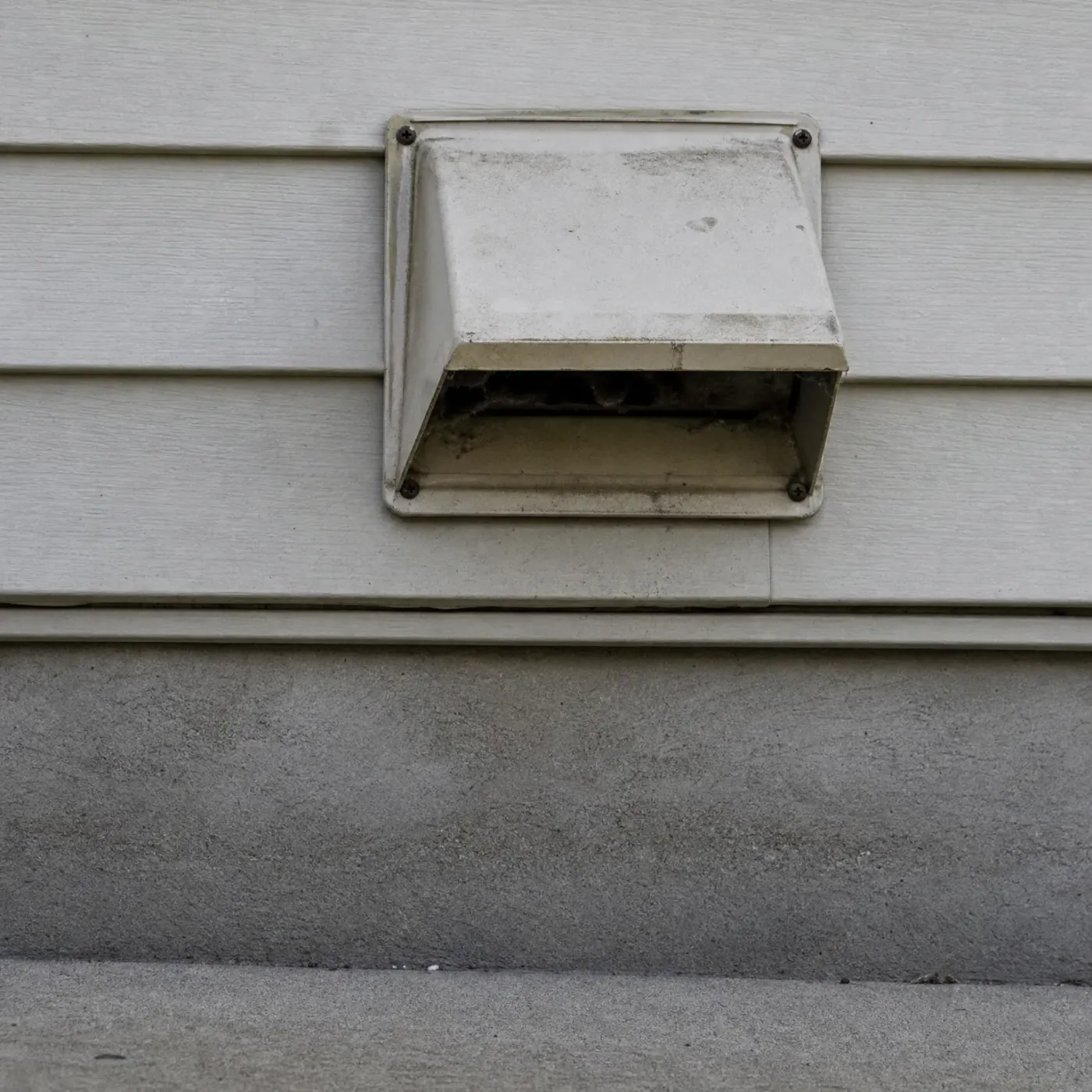
A white square dryer vent hood with a hinged flap mounted on light gray horizontal siding above a concrete foundation wall.
After you get your dryer vent cleaning

Why the heat builds so fast

A dryer pushes a full load of hot air through that duct in a short burst, and all of it is looking for the same way out. When lint has narrowed the duct down to a fraction of its width, the air that would normally leave in minutes backs up almost as soon as the cycle starts. That is why the room can go from normal to stifling well before the load is done, instead of warming up slowly. The duct is not failing gradually. It is already blocked, and the dryer is just pushing against it the whole cycle.

What a clean duct changes

Clear the lint out and the duct goes back to doing what it was built for, moving that air straight outside instead of holding it in the room. The dryer stops fighting the blockage, so the heat and the damp air it was pushing back at you leave with the rest of the exhaust. A gas dryer in Minnesota already has that pilot or igniter putting off some heat of its own, so getting the vent clear is what lets the room shed it instead of trapping it on top of what the air already carries.

Power costs 15.83 cents per kilowatt-hour statewide

At 15.83 cents a kilowatt-hour, a dryer that has to run two or three cycles to get a load dry because a clogged vent is trapping the heat costs you for every one of those extra cycles. Clearing the vent gets the air moving again, so the dryer stops working overtime to finish the job.

EIA-861 2025 statewide residential average

What you'll notice at home

The laundry room stays warm even after the dryer shuts off, and the air in there feels thick instead of clearing out. Clothes come out hotter than they should, sometimes still damp at the end of a cycle. If the room sits next to a bedroom or a hallway, that heat doesn't stay put. In a Minnesota winter, you might not mind the extra warmth, but in July it just adds to what your air conditioner already has to work against.


What it puts at risk

Lint backed up in the duct is the same stuff that catches fire, and it's sitting right behind a heating element every time the dryer runs. Short of that, the dryer itself takes the strain. The heating element and the motor both run longer and hotter than they're built for when the air can't get out, and that kind of wear is what sends people shopping for a new dryer years before they expected to.

A smiling man in a blue denim shirt over a white tee sits at a light stone kitchen counter with a grey mug and a bowl of oranges and bananas, with pendant lights and shelving behind him.
A smiling bearded man in a grey long-sleeved shirt sits at a kitchen counter with a dark mug, with a dining table, pendant light and glass doors onto greenery behind him.
A bearded man in a dark green knit sweater smiles and looks off to the side while standing at a kitchen counter with a white mug of coffee, with open shelving, a potted tree, and a dining table near large windows behind him.
A man with dark curly hair in a dark green sweater stands smiling and looking to the side in a kitchen with white cabinets, a potted plant, a stone countertop with a ceramic mug, and a dining area with framed art in the background.

Finding a pro stops being your job

The pro who reaches out is licensed in Minnesota.

There's no charge for the request.

A white hooded exhaust vent with a louvered opening mounted on white horizontal lap siding, with blank white space at right.

A vent that's clear

Gas dryers here run hard from October through April, with loads going almost every day in a house with kids or a lot of laundry. A clear vent moves that hot air outside in the time the cycle is supposed to take. The laundry room warms up while it's running and cools back down once it's done, the same as any other room in the house. The dryer isn't fighting itself, so it isn't costing you more than it should at 15.83 cents a kilowatt-hour.

A metal hooded exterior vent cover screwed to beige horizontal lap siding, next to a plain white wall corner.

A vent that's blocked

Lint narrows the duct a little at a time, and most people don't notice until the room stays hot long after the dryer stops. That's what sends someone searching for an answer in the first place. A contractor who services vents in Minnesota all winter has seen what a few seasons of daily loads does to a duct, and knows where lint tends to pack in tight. Finding one is the part that takes effort. Once your request goes out, that search is off your plate, and it goes to one local, licensed contractor rather than several competing for the job.

Why does your laundry room stay hot after the dryer stops

You probably noticed it after a few loads in a row. The dryer shuts off, but the room doesn't cool down the way it used to, and the air feels heavy even with the door open. Touch the vent hood outside and it's barely warm, or the flap doesn't move much when the dryer's running. Inside, you might see a fine dust of lint around the dryer or smell something faintly scorched partway through a cycle. None of that is normal wear. It means the exhaust isn't making it outside, and a dryer that keeps pushing hot air into a blocked duct is working harder than it's built to.

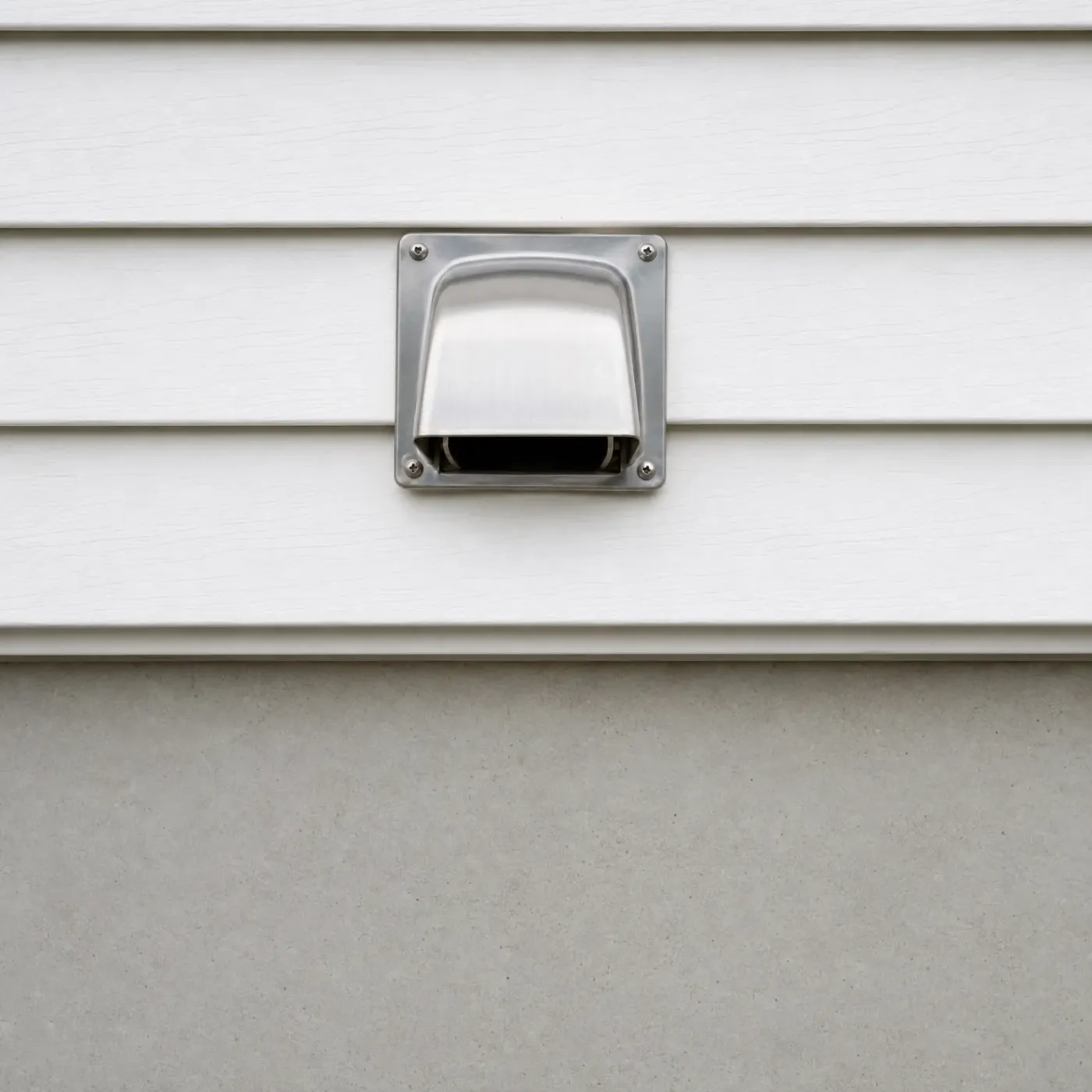
A stainless steel hooded dryer vent with four corner screws mounted on white horizontal lap siding above a gray concrete foundation.

What a clear vent hood looks like

The flap sits closed except when the dryer is running. Air pushes it open in short bursts and it falls shut again between cycles. No lint showing at the edges, nothing holding it open.

A white hooded dryer vent mounted on light-colored lap siding above a concrete foundation, with lint clogging its opening.

What a clogged one looks like

Lint has built up around the opening and the flap won't seat shut anymore. It stays propped open because the duct behind it is packed tight. That's the hot air you're feeling finding its way back into the laundry room instead of going outside.

A smiling bearded man in a green t-shirt sits on a gray sofa, looking down toward a device at the bottom of the frame, with a bookshelf and a green plant blurred behind him.
A bearded man in a plaid flannel shirt stands indoors looking out a window at snow-covered conifers, with a ceramic mug on the wooden sill and wooden cabinets behind him.

A Clear Vent, A Cooler Room

  • A hot laundry room almost always traces back to lint narrowing the vent, not the dryer itself.
  • Clearing the duct lets the hot, damp air reach the outside again, so the room stops holding heat after each load.
  • A local contractor who services dryer vents all winter knows which duct runs and vent hoods in this area clog fastest.
  • Sending one request connects you with one licensed local contractor, not a string of calls from several companies.
  • The room cooling back down after a cycle is the clearest sign the vent is doing its job again.

A hot laundry room is lint doing what lint does when nobody's cleared it out, not a dryer on its way out. Once the duct is open again, the hot, damp air has somewhere to go, and the room stops holding onto it after every load. That's the whole fix.

Minnesota dryers earn their keep October through April, running close to every day in a lot of houses. A duct that's been narrowing all that time doesn't clear itself, and the person who deals with it best is someone who's out servicing vents all winter in this same area, who already knows which duct runs tend to clog first and which vent hoods get packed with lint before the homeowner ever smells it. That's not guesswork for someone who sees it every week.

Send the request once and it goes to one contractor, licensed, local, someone who works on this equipment in this climate as a matter of course. No fielding calls from three different companies trying to win the job. One person looks at your vent, tells you what's actually blocking it, and clears it.

You'll know it worked the same way you noticed the problem. Run a load, and the room cools back down once the dryer shuts off instead of sitting warm and heavy. The air clears instead of hanging around. That's the vent doing what it was always supposed to do.

A dark gray hooded exterior vent cover with a louvered opening mounted on dark horizontal lap siding, viewed at a steep angle.

Let someone else find the pro

Only one pro gets your request, so you hear from one company.

Duct and vent cleaningMinnesota
Step 1 of 3

What kind of equipment?