Explain it one time
Why your vents smell musty in Minnesota
A musty smell from your vents usually means something in the ductwork is damp or growing where you can't see it. With gas heat running the air through those same ducts all winter, the smell spreads through the house instead of staying put. This page gets into what causes it and what cleaning the system involves, so you're not stuck calling around to different duct cleaners, repeating the same description of the smell to each one, and weighing quotes that are hard to compare without seeing the ducts yourself.
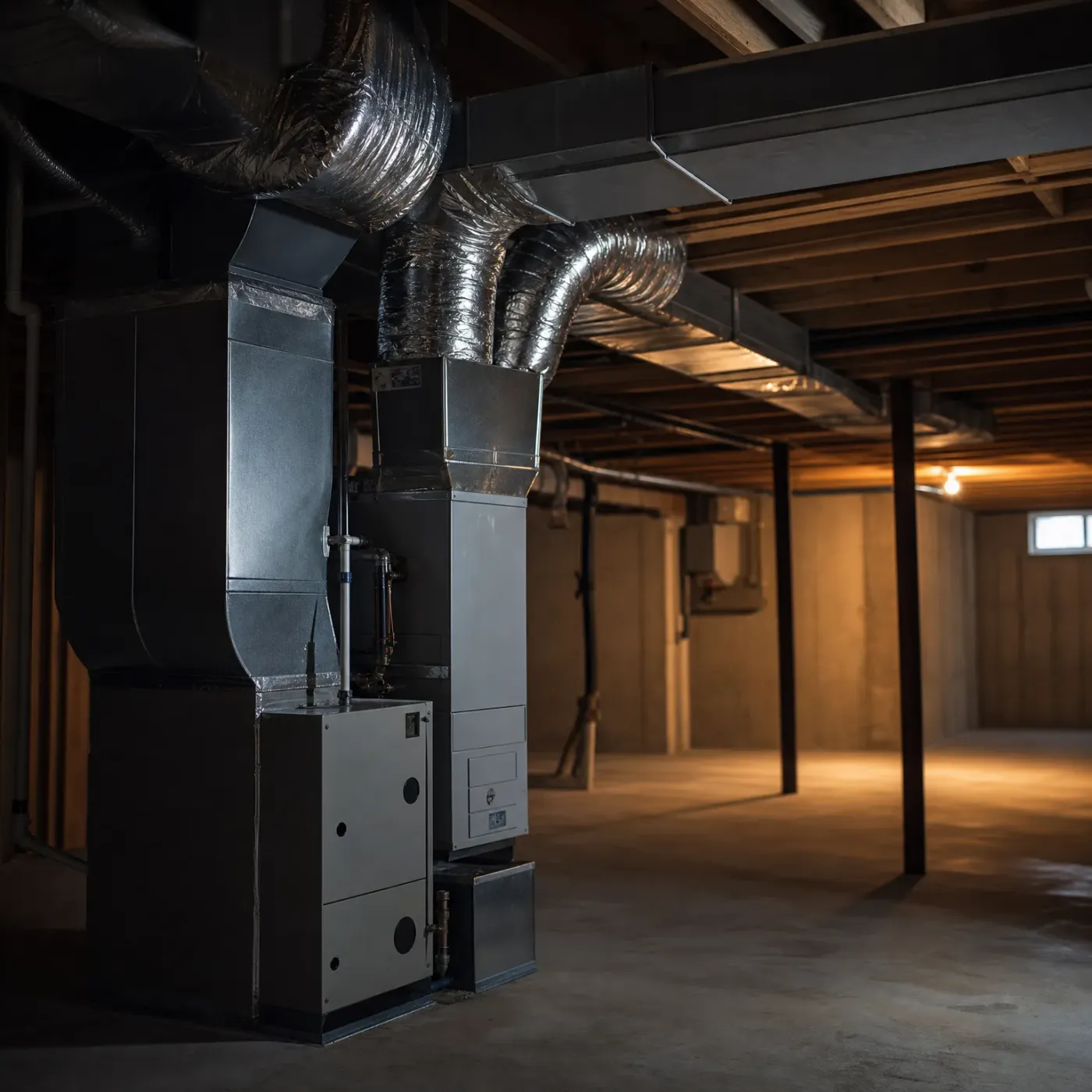
Start one formA musty smell from your vents usually means mold or mildew is growing somewhere inside the ductwork, often in a return duct or near the coil where condensation collects. Minnesota summers aren't as humid as some places, but your air conditioner still pulls moisture out of the air it cools, and that water has to go somewhere. If it sits in the ducts instead of draining off, it feeds mold spores that ride the airflow right into your rooms. Winter can make it worse in a different way: gas furnaces push air through the same ducts for months on end, so whatever is growing in there gets circulated every time the heat kicks on. The smell is your signal that the ducts need a real look, not just an air freshener. Left alone, it tends to spread rather than fade, especially once the system has run long enough to carry it through every room.
Why the smell outlasts the season
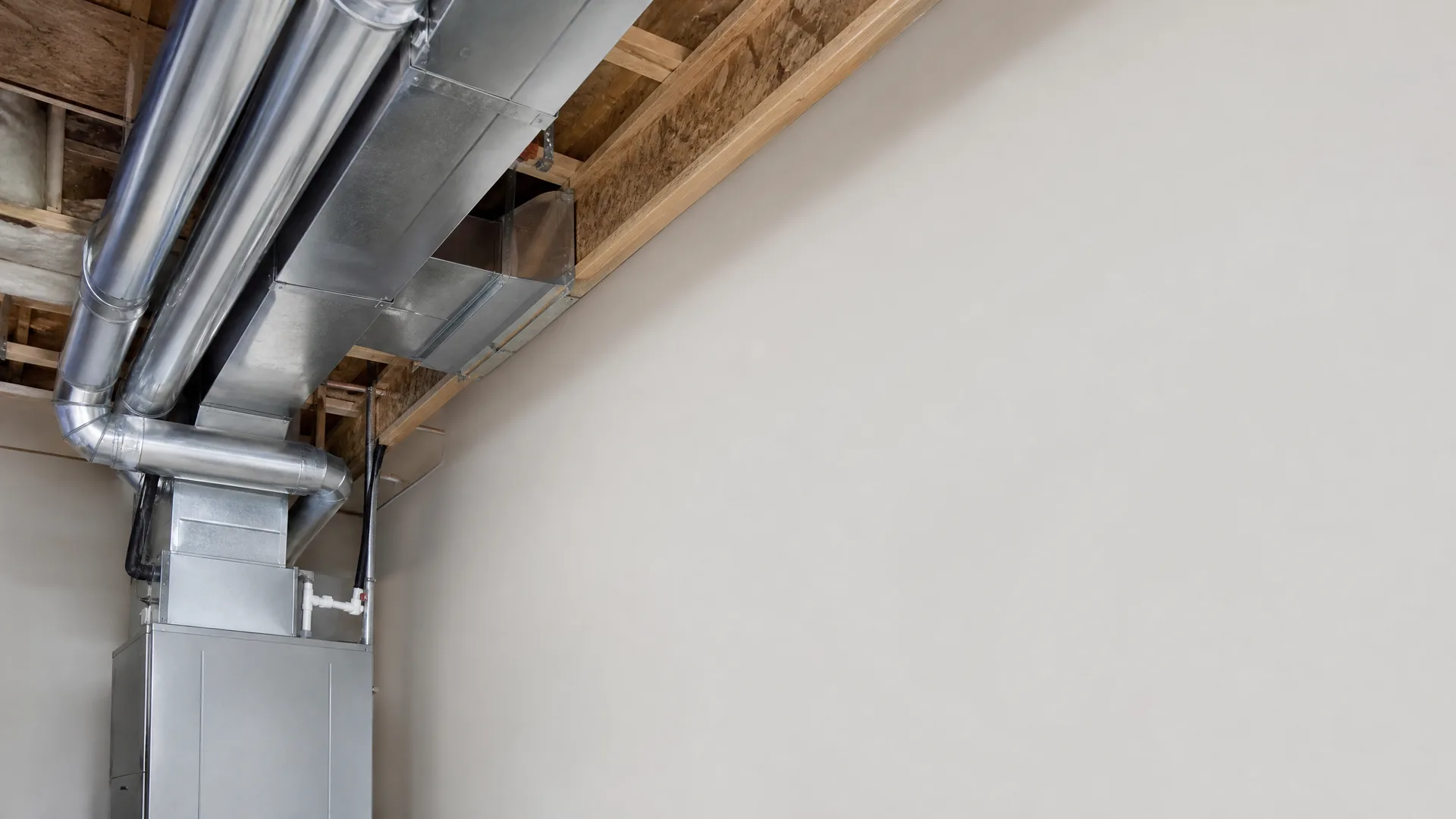
The coil cools the air passing over it, and water collects on it whenever your air conditioner runs. That water has somewhere to drain, and if the drain is slow or the coil stays wet between cycles, mold has what it needs. Once it's established on the coil or in the duct nearby, the smell doesn't stop when summer ends. Gas furnaces push air through the same ducts all winter, so the musty air keeps moving through the house long after the coil has dried out.
What a cleaning actually removes
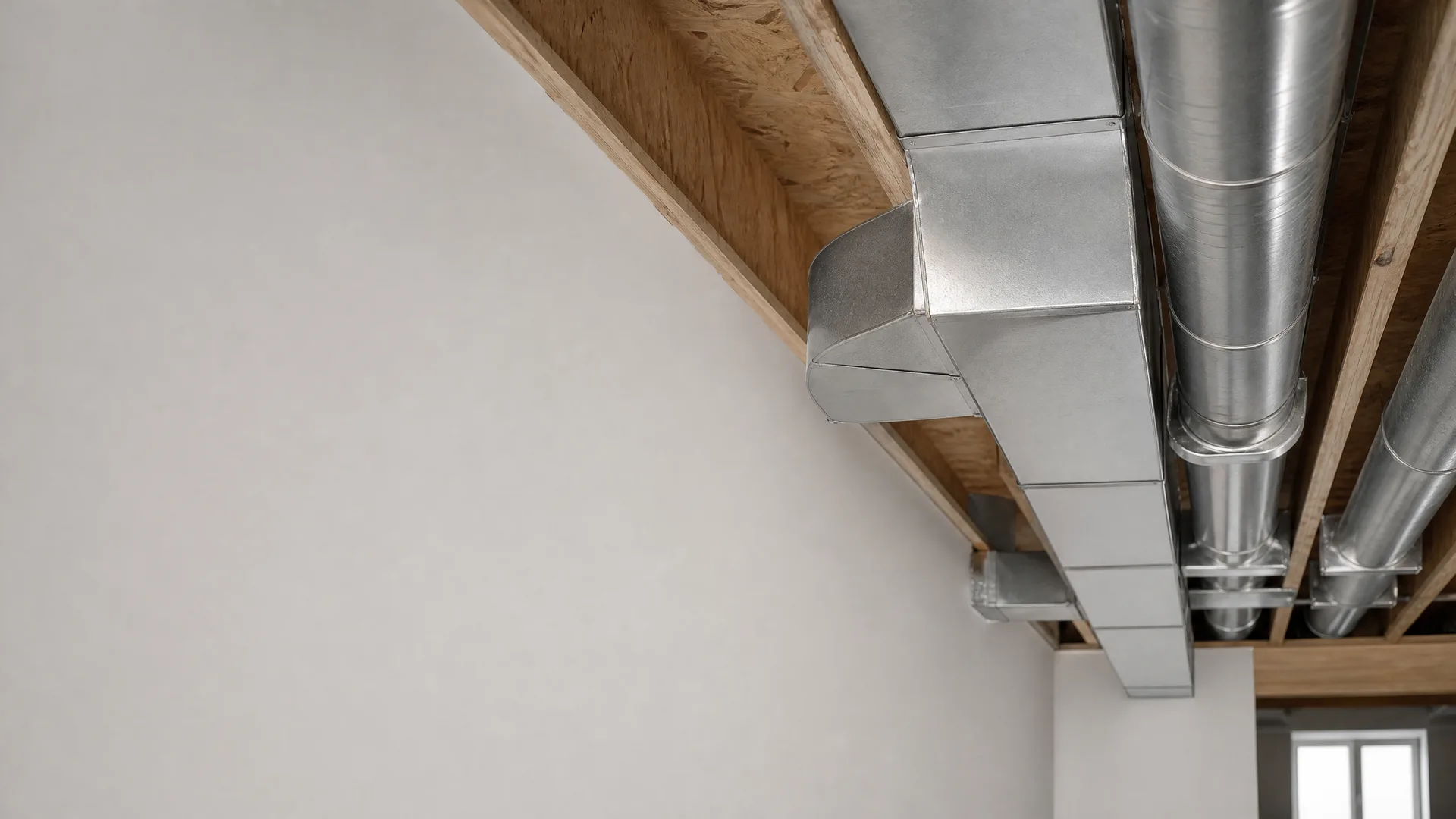
Duct cleaning clears built-up dust, debris and the mold growth itself from the inside of the ductwork, not just the register covers you can see. A return duct is usually the worst spot, since it pulls air from the house before the blower pushes it past the coil and back out. Getting mold out of a return duct or off a coil housing takes equipment made to reach inside the ducts, which is why this isn't something handled from outside the vent.
Why does the musty smell come back every time the AC kicks on?
You cleaned the coil area once, maybe wiped down what you could reach near the vents, and the smell faded for a while. Then the AC runs on a warm afternoon and it's back, the same musty air coming through the same registers. It makes you wonder if the cleaning did anything at all, or if something keeps bringing the smell back every single time the system cycles on.
The smell lives in the duct, not just the air passing through it
Wiping down a vent cover or the area you can reach near the coil doesn't touch what's growing further back in the ductwork. Mold holds onto the metal and the dust inside it, and every time your air conditioner kicks on, air moves across that spot and carries the smell out through the registers. Turn the system off and the smell settles again. Turn it back on and it's moving through the house once more. That cycle keeps repeating because the growth itself is still there. Cleaning that reaches past the surface, into the duct runs and around the coil, is what actually removes it rather than just airing it out for a few hours.




Power costs 15.83 cents per kilowatt-hour statewide
At 15.83 cents a kilowatt-hour, running a fan or dehumidifier to chase down a musty smell adds up fast if the real problem is sitting in the ducts. Clearing out what's growing in there fixes the smell at the source instead of you paying to mask it all summer.
EIA-861 2025 statewide residential average
You can keep wiping down the registers you can reach and running a fan to push fresher air through, and the smell will ease off for a day or two before it settles back in. The part that's actually holding the mold, the duct runs behind your walls and under the floor, never gets touched.
A duct cleaning crew goes through the whole system, not just what's in reach, and pulls out what's actually growing in there. You call one contractor who works on ductwork in this area all year, instead of chasing down a handful of companies and explaining the smell to each one over the phone.


Skip the calls to every shop
Tracking down someone who actually cleans ducts in Minnesota usually means a string of calls, explaining the musty smell over and over, and guessing which quote covers the whole job versus just the easy parts. A contractor who works on duct systems here every summer has seen this before, the moist coil, the slow drain, the return duct holding onto mold through the winter heat and into the next cooling season. That's the kind of thing that takes someone looking at your actual setup, not another round of wiping down vents. Handing this off means one local contractor gets your request, not five companies working you for the same job. You stop chasing the smell room by room and let someone who does this work regularly tell you what's actually sitting in your ducts and what it takes to clear it out for good.
Where the smell actually goes
- A musty smell from your vents means mold or mildew is growing somewhere in the duct system, most often near the coil or in a return run.
- Wiping down registers and running a fan only moves air around the smell, it doesn't reach the ductwork behind your walls where it's actually growing.
- The smell keeps returning each time the AC kicks on because the coil area stays wet between cycles, giving mold what it needs to come back.
- Cleaning the ducts removes what's growing in them instead of masking it, which is the only way the smell stops showing up every summer.
- A contractor who cleans ducts in Minnesota homes all season knows where moisture collects in this kind of system and checks there first.
- Working with one local contractor means you explain the musty smell once, to someone who already knows what usually causes it here.
A musty smell from your vents is mold or mildew growing somewhere inside the duct system, usually near the coil or in a return run where moisture sits after the AC shuts off. Wiping down what you can reach and running a fan moves air around for a day, but none of that touches the ductwork behind your walls, which is where the problem actually lives. Until that gets cleaned out, the smell comes back every time the system kicks on, because the spot that's wet between cycles never stopped being wet.
Cleaning the ducts is what actually ends this instead of covering it up for a few hours at a time. It clears out what's growing in there rather than giving it room to spread back through the house on the next cycle.
A contractor who cleans ducts in Minnesota homes all season has seen this exact pattern enough times to know where to look first, the coil, the return runs, the spots that hold moisture in this kind of system. You explain the smell once, to someone who's already run into it in houses like yours, instead of repeating the story to a handful of companies and sorting through quotes that may not even cover the same work. One contractor, already familiar with what causes this here, looking at your ducts instead of you guessing at it yourself.

Ductwork Cleaning
Skip calling around

- A local pro who cleans ducts gets in touch with you.
- Your duct cleaning request goes to a local pro who does this work.

- After this form, you can stop searching for a duct system pro.
- One request and the search for a pro is handled.

- Skip calling around for someone who cleans ducts.
- Answer a few questions about the duct cleaning and skip the search.

- Your request stays with one local pro.
- Your request goes to one pro, not a list of companies.